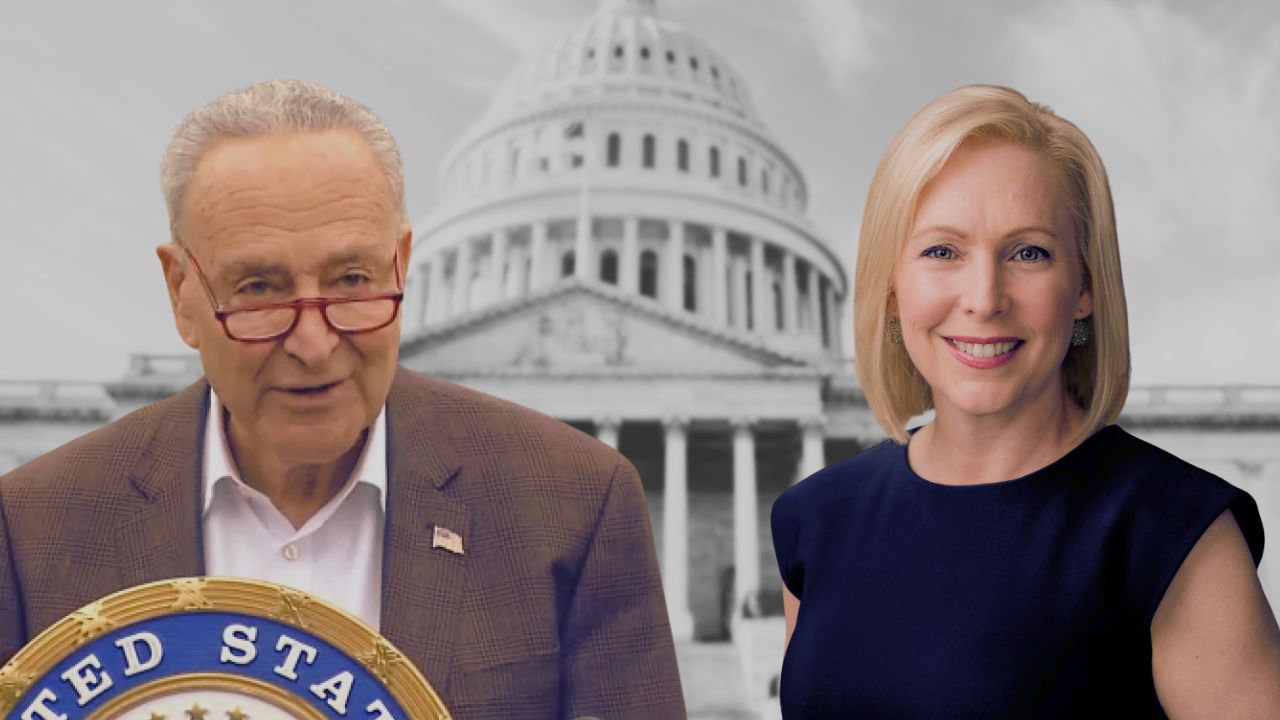
U.S. Sen. Kirsten Gillibrand and a group of Senate Democrats have launched a formal investigation into what they describe as escalating “Social Security chaos,” citing worsening customer service, staffing shortages, and growing risks for millions of Americans who rely on the program.
In a letter sent Tuesday to Social Security Commissioner Frank Bisignano, Gillibrand — the top Democrat on the Senate Aging Committee — joined Sen. Elizabeth Warren and 10 other Democratic senators in raising alarm about what they say is a system struggling to function.
The lawmakers argue that staffing cuts and internal disruptions have left the Social Security Administration (SSA) unable to adequately serve the roughly 75 million Americans who depend on benefits.
Staffing cuts and service breakdowns
At the center of the investigation is a sharp reduction in SSA staffing levels.
According to the senators, the agency has cut more than 7,000 employees over the past year, contributing to:
- Longer wait times for benefits and assistance
- Reduced in-person services due to field office closures
- Increased reliance on overwhelmed phone systems
The result, they argue, is a system stretched beyond capacity.
Current staffing levels equate to roughly one field office representative for every 4,000 beneficiaries, a ratio that has worsened by about 12% compared to pre-cut levels.
With more than 100,000 people visiting SSA offices daily, the strain on remaining staff has intensified.
Survey data shows declining service quality
The senators pointed to internal survey data from SSA employees that underscores the scope of the problem.
- Nearly two-thirds of employees said service quality has declined over the past year
- About 70% reported slower service speeds
Those trends, lawmakers say, reflect systemic issues tied directly to staffing reductions and operational changes.
Reassignments and training concerns raise new risks
Rather than restoring staffing levels, the SSA has attempted to manage demand by reassigning employees from other departments to handle customer service calls.
Those reassignments have drawn sharp criticism.
Employees pulled from specialized roles — including disability adjudication, financial management, and IT — are now answering calls on the agency’s national helpline, often with limited preparation.
According to the senators, some reassigned workers have received as little as three hours of training, despite the complexity of cases handled by SSA.
Even eight hours of training, they note, is widely considered insufficient.
The consequences are already raising serious concerns.
Reports indicate that some newly assigned staff have received troubling guidance when handling calls involving mental health crises, including advising callers that suicide is “one option” — a claim lawmakers described as deeply alarming.
Push to reduce in-person visits adds pressure
The investigation also highlights efforts by the SSA to reduce in-person visits by as many as 15 million annually, a move that has shifted more demand to phone systems and online services.
For seniors, people with disabilities, and caregivers — many of whom rely on in-person support — that shift has created additional barriers to accessing benefits.

Lawmakers argue the approach has effectively worsened the customer experience rather than improving efficiency.
Lawmakers accuse SSA leadership of mismanagement
In their letter, the senators accused Commissioner Bisignano of failing to provide clear answers about the agency’s staffing strategies and service outcomes.
They argue that:
- Staff reassignments are temporary “band-aid” solutions
- Pulling employees from other roles worsens backlogs elsewhere
- The approach risks errors in benefit processing
“This entire process…is a costly, wasteful approach that only adds to the customer service chaos,” the lawmakers wrote.
They have requested detailed information from the SSA by March 27, 2026, including data on staffing levels, reassignment practices, and service performance.
Broader political fight over Social Security
The investigation comes amid a broader political battle over the future of Social Security.
Gillibrand has been pushing legislation aimed at expanding benefits and offsetting rising costs for seniors, including proposals to:
- Increase monthly payments temporarily during inflationary periods
- Adjust cost-of-living formulas to better reflect seniors’ expenses
She has also joined a coordinated Democratic effort — described as a “Social Security War Room” — to counter what lawmakers characterize as ongoing cuts and policy changes affecting the program.
Bottom line
The emerging picture is one of a system under stress.
For millions of Americans, Social Security is not optional — it is a primary source of income and stability. Lawmakers argue that current conditions inside the SSA are undermining that promise.
Whether the investigation leads to policy changes or funding shifts remains to be seen, but the pressure is building.
Make FL1 part of your day.
Local reporting. Useful updates. More ways to stay close to your community.
Go ad-free
Support independent local reporting and enjoy FL1 without display ads.
$4.99 / month
Become a member →Cancel anytime. Third-party media players may contain ads.Get the daily briefing
Start your morning with the headlines that matter across the Finger Lakes.
Find more FL1 on Google
Choose FingerLakes1.com as a preferred source to see more of our reporting in your Google news results.

This content is brought to you by the FingerLakes1.com Team. Support our mission by visiting www.patreon.com/fl1 or learn how you send us your local content here.