

A good helmet setup is never just about adding gear. It is about building a system that protects the user, supports communication, and stays functional under movement, stress, and long wear time. Many people buy a helmet first and then start attaching accessories one by one, only to realize later that comfort, balance, and compatibility were not considered from the beginning.
That is why the foundation matters. A proper military helmet setup should be planned as a complete working platform, not just head protection with random add-ons.
Protection Comes First, but Fit Decides Performance
Protection level is the first thing people check, and for good reason. But even high-quality protection becomes less effective in practice if the helmet does not fit correctly. A poor fit creates pressure points, shifts during movement, and causes fatigue over time. It can also affect how well the user operates communication gear and night accessories.
A well-fitted modern military helmet should feel secure without excessive pressure. Retention and padding need to keep the helmet stable during movement, while still allowing long wear without discomfort. Stability is especially important when additional equipment is mounted, because weight changes how the helmet behaves when turning, running, kneeling, or working in tight spaces.
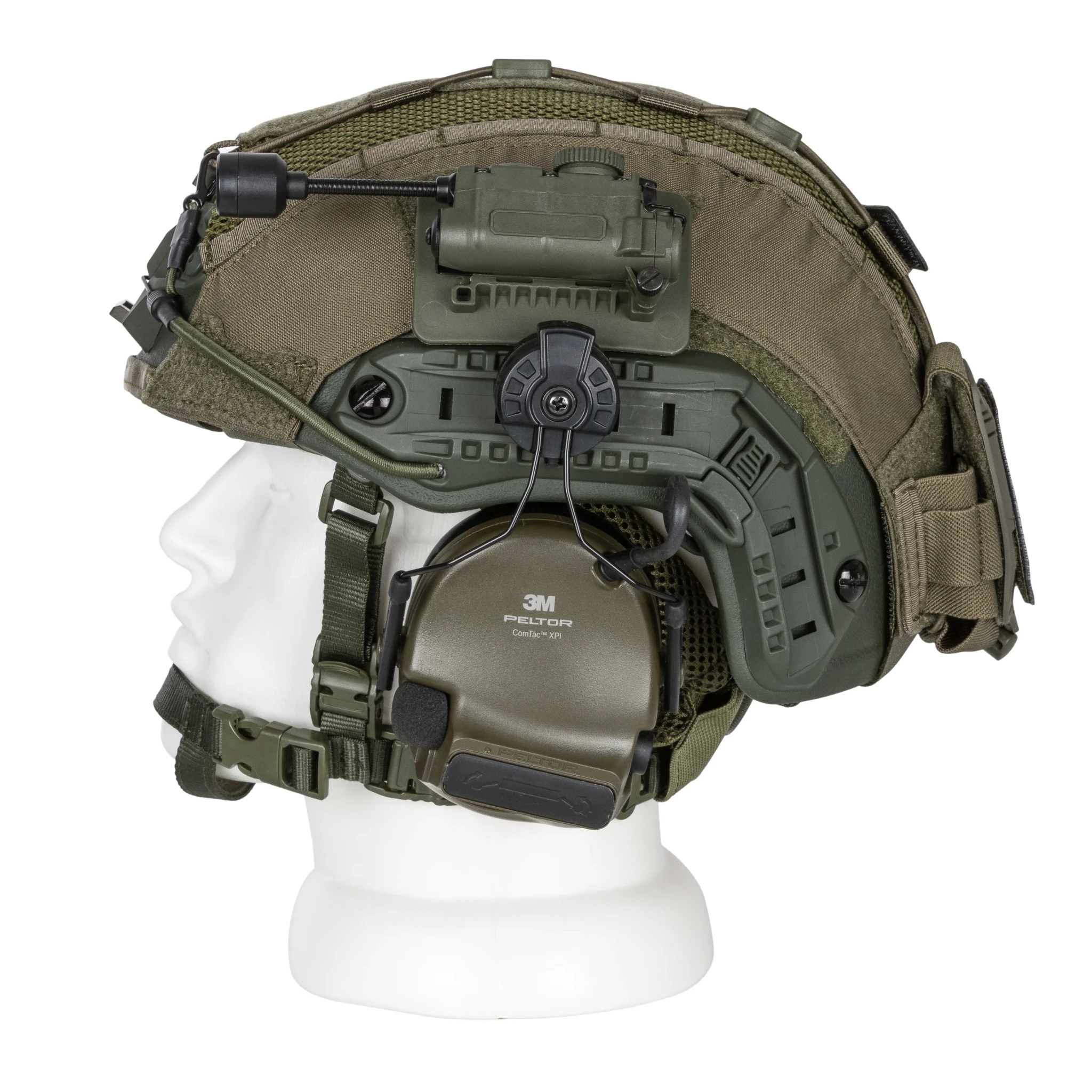
Communication Setup Should Be Planned Early
Communication is often treated as an upgrade added later, but in reality it should be part of the initial setup plan. If the helmet is expected to work with hearing protection, comms, or team communication systems, compatibility should be checked before accessories are purchased.
A tactical helmet with headset setup needs enough clearance, correct rail compatibility, and a balanced configuration that does not create side pressure or instability. Users often focus on whether a headset can physically attach, but the real question is whether it remains comfortable and functional after hours of wear. Ear seal position, cable routing, and interference with straps all affect performance.
When communication gear is integrated properly, the result is not only clearer coordination but also less distraction. A clean setup reduces snag risks, avoids constant adjustments, and keeps the user focused on the task instead of the equipment.
Accessory Compatibility Is About the Whole System
Accessories can improve capability, but they can also create problems when they are added without a plan. Rails, mounts, lights, markers, and retention accessories all change weight distribution and can impact movement. A setup that looks complete on a table may perform poorly once worn in real conditions.
The main goal is compatibility across the full system: helmet shell, rails, headset mounts, retention, and any mission-specific accessories. Even small mismatches can create wobble, looseness, or pressure points. Weight balance is another common issue. If too much is placed on one side or too far forward, neck fatigue increases and the helmet becomes harder to wear for extended periods.
A practical approach is to start with the mission requirement, then add only what supports it. This keeps the helmet setup lighter, cleaner, and more reliable.
Build for Function, Not Just Features
The best helmet setup is not the one with the most attachments. It is the one that protects, communicates, and remains comfortable through real use. Choosing the right platform, planning communication integration early, and checking accessory compatibility as a system will always produce a better result than assembling parts without a clear purpose.
If the setup is built around function, a military helmet becomes more than protective gear — it becomes a dependable working platform that supports performance when it matters most.

This content is brought to you by the FingerLakes1.com Team. Support our mission by visiting www.patreon.com/fl1 or learn how you send us your local content here.