

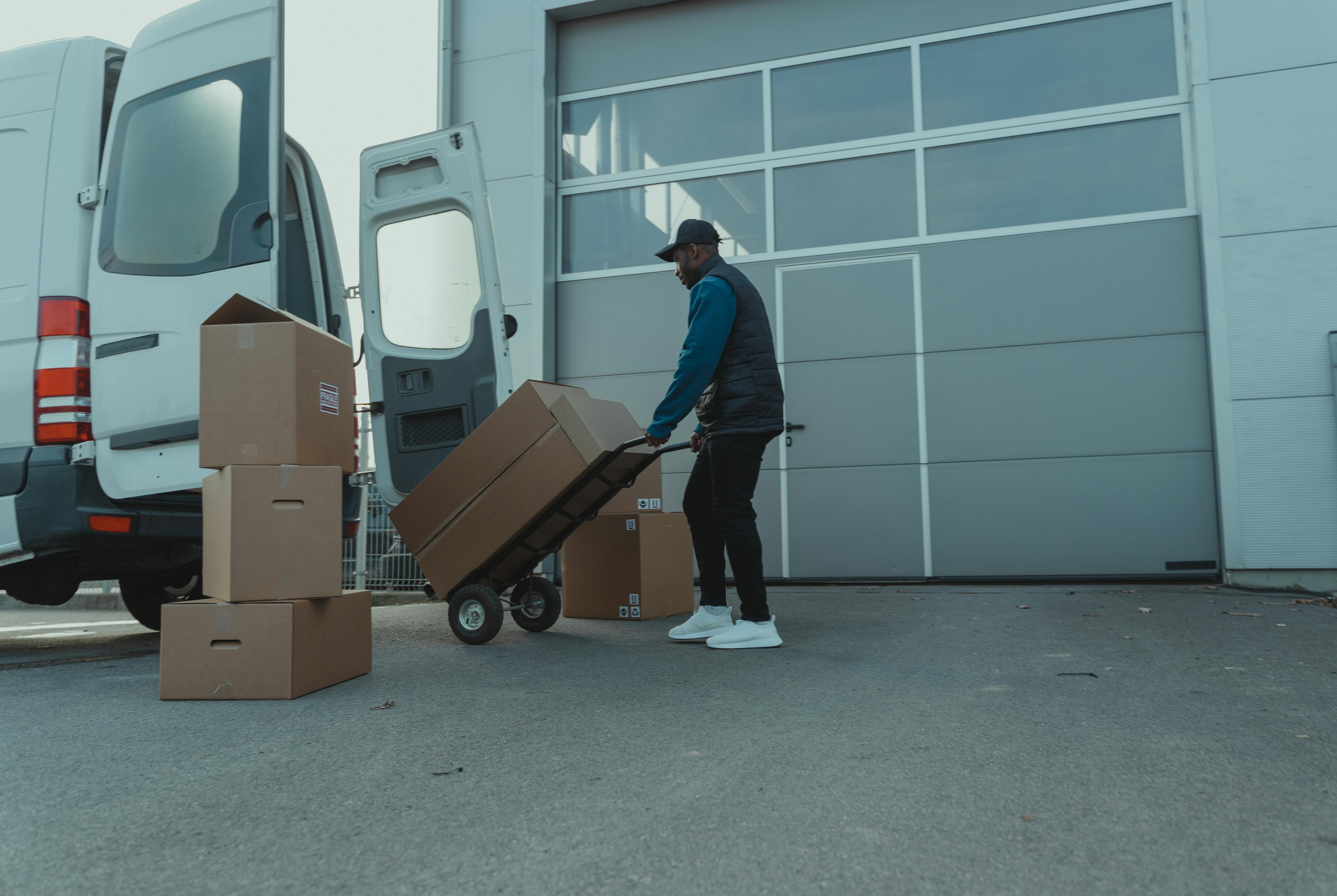
The landscape of retail has undergone a fundamental shift toward the immediate gratification of the digital marketplace. This evolution has resulted in a massive surge of delivery traffic through residential areas that were never designed for such high volumes of commercial transit. We now see a constant stream of high-roof vehicles navigating narrow streets and school zones at all hours of the day.
This rapid expansion has brought unprecedented convenience to consumers, but it has also introduced new hazards to our public roadways. The pressure to maintain a competitive edge in shipping speeds has created an environment where safety is often secondary to efficiency. As the volume of packages grows, so does the frequency of interactions between large hauling units and the families living in these local neighborhoods.
Liability in these cases is often difficult to establish because of the complex logistics networks involved in the final mile of the journey. When an incident occurs, it is essential to look at the routing algorithms and the corporate expectations that drive the operator’s behavior. Understanding these high-velocity risks is critical when a collision involves a professional driver operating an Amazon van. Investigators often examine training records, delivery quotas, and subcontracting relationships tied to Amazon to determine whether corporate pressures may have contributed to unsafe driving conditions on the road.
The Complexity of the Delivery Service Partner Model
The logistics industry often utilizes a Delivery Service Partner model to manage the massive scale of local distribution routes. Under this system, the parent corporation contracts with smaller, independent businesses to handle the actual physical labor of delivering goods. This structure is specifically designed to create a layer of separation between the global giant and the individual drivers on the street.
When a crash occurs, this model complicates the chain of liability for the victims and their legal representatives in court. The parent company often argues that they are not responsible for the actions of the driver because they are technically employed by a separate entity. This creates a difficult hurdle for anyone seeking a recovery from the larger corporate resources available for a serious injury.
Piercing this veil requires a meticulous review of the contracts and the level of control the tech giant exerts over the daily operations of the partner. Investigators look at who provides the vehicles, who sets the schedules, and who monitors the performance of the staff. Establishing this connection is the only way to ensure that the parties truly responsible for the pressure are held accountable.
High Volume Routing and the Reality of Driver Fatigue
The algorithms used to determine delivery routes are designed to maximize every second of the driver’s shift for the corporation. Operators are often expected to make hundreds of stops in a single day, leaving very little time for rest or situational awareness. This constant pace creates a state of chronic fatigue that impacts the reaction time and the judgment of the person behind the wheel.
When a driver is pushed to the limit of their physical endurance, the likelihood of a critical error increases exponentially on the road. They may feel compelled to skip safety checks or rush through complex intersections just to keep up with the digital clock on their dashboard. This culture of urgency is a primary factor in many preventable accidents that occur in our busy residential zones.
Addressing the role of routing pressure is a vital component of any legal investigation into a commercial delivery incident today. Experts can analyze the data to show that the schedule was unrealistic and dangerous for the driver to maintain safely. By focusing on these systemic issues, practitioners can hold companies responsible for the hazardous environments they create for the public.
Incidents Involving Parked Vans and Illegal Maneuvers
Residential neighborhoods often feature narrow lanes and limited parking, which creates a significant challenge for large delivery vehicles today. Drivers frequently resort to double-parking or blocking fire hydrants and driveways just to reach their destination quickly. These parked vans create blind spots for other motorists and pedestrians who are trying to navigate the same street.
Illegal maneuvers, such as sudden U-turns or backing up blindly, are also common as drivers try to find a specific house or apartment building. These actions are often taken without proper signaling or awareness of the surrounding traffic flow. The sheer size of the van makes these mistakes much more dangerous for smaller passenger cars and cyclists sharing the lane.
Documenting these illegal habits is essential for proving negligence in a claim involving a delivery vehicle in the suburbs. Photos of the vehicle’s position and witness statements can confirm that the driver was creating a hazard through their parking choices. Holding drivers accountable for these basic traffic violations is the first step toward improving safety for every resident.
Navigating the Legal Challenges of Tech Giants
Summarizing the legal challenges of pursuing a claim against a massive tech-based logistics network involves acknowledging the scale of the opposition. These companies have nearly unlimited resources and highly experienced legal teams dedicated to protecting their brand and their profits. Every piece of evidence must be handled with extreme care to overcome these defensive tactics.
Victims need a strategic approach that accounts for the unique liability structures and the technical data used in the modern shipping industry. This means working with a team that knows how to navigate the complex relationship between partners and parent companies. A specialized focus is the only way to ensure that the truth is told and that justice is finally served.
Ultimately, the goal is to reach a resolution that provides for the long-term needs of the injured party and their family. By understanding the mechanics of last-mile delivery, you can move forward with a sense of confidence and purpose after a tragedy. Strategic advocacy is the most effective way to protect your future against the high-velocity risks of modern global shipping today.

This content is brought to you by the FingerLakes1.com Team. Support our mission by visiting www.patreon.com/fl1 or learn how you send us your local content here.