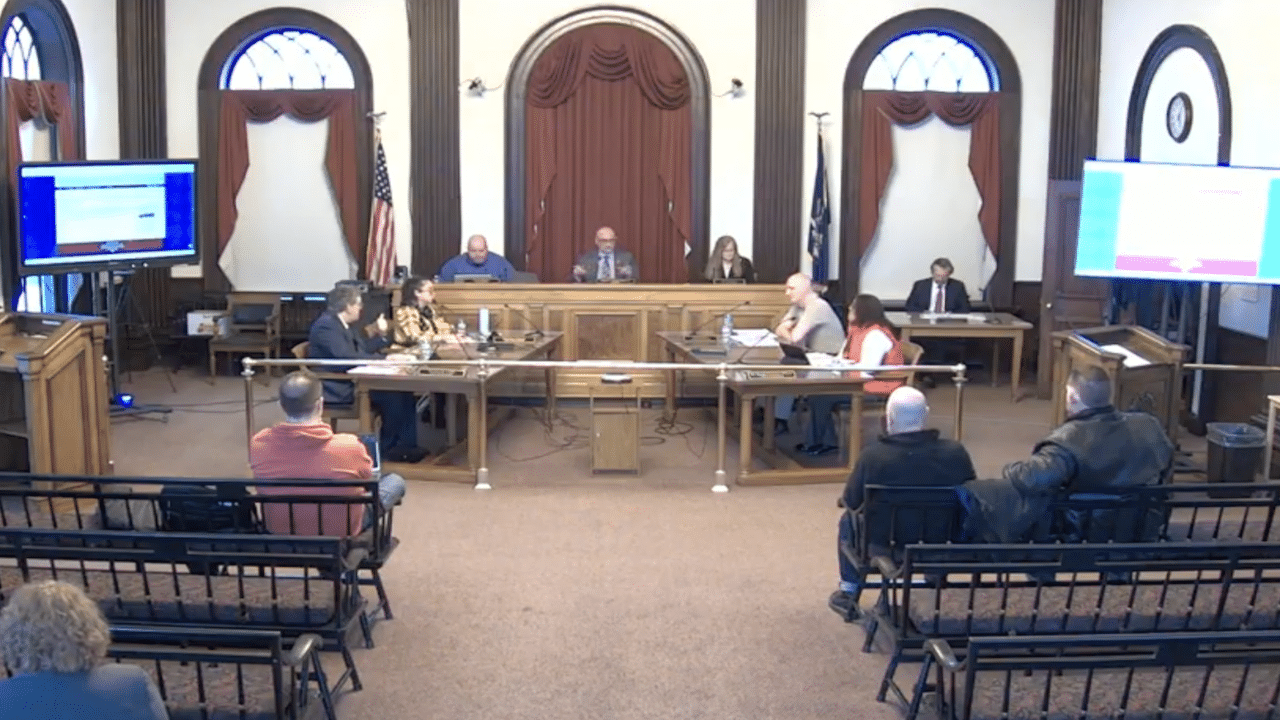
A routine work session turned into a wide-ranging discussion about taxes, infrastructure spending, and federal clean-energy incentives as Auburn City Council members worked through a packed Feb. 12 agenda that blended public concerns with long-term financial planning.
At the center of the night were three major themes: whether more seniors should qualify for property-tax relief, how the city will pay for a major bridge reconstruction project, and a potentially massive federal reimbursement tied to wastewater plant upgrades.
Senior tax exemption sparks public pressure

The only public speaker urged the city to expand eligibility for its senior citizen and disabled homeowner property tax exemption, arguing many residents are priced out by current income limits and don’t even know the program exists.
The resident said they had repeatedly encountered longtime Auburn homeowners unaware they qualified or could qualify and suggested the city adopt broader outreach similar to neighboring municipalities, including direct mail notices.

City officials responded later in the meeting by outlining existing notification efforts — language on tax bills, legal notices, mailings to prior applicants and potential eligible residents identified through state data, and one-on-one assistance from staff — but the exchange highlighted a broader policy question the council has yet to formally debate: whether the eligibility threshold itself should change.
Bridge project cost drops, but borrowing still coming
Council members also received the first reading of a bond ordinance tied to reconstruction of the Lake Avenue Bridge.
While earlier estimates approached $4 million, officials said project bids came in significantly lower, reducing the borrowing need to roughly $3.13 million. Staff credited contractor engagement and adjustments made during the pre-bid process.
No vote was taken — the first reading is procedural — but council will be asked to approve bonding at an upcoming meeting along with a contract award recommendation.
The project will combine local borrowing with state transportation funding sources. If approved, the bonds would be structured over a 25-year period.
$14M federal credit possible for wastewater upgrades
The most detailed presentation of the night came from consultants working with the city on federal Inflation Reduction Act tax credits tied to Auburn’s biosolids and wastewater treatment upgrades.
Because the law allows municipalities to receive direct payments similar to grants, the city could potentially recover between about $10.6 million and $14.2 million depending on compliance with federal requirements — particularly domestic manufacturing content rules.
To secure the higher amount, Auburn would need additional analysis verifying equipment sourcing and compliance thresholds. Consultants outlined further work involving cost segregation studies and federal documentation.
Council members pressed for clarity on how reliable and timely the payments would be. Advisors explained the process functions like a reimbursable grant: after project completion and filing documentation with the IRS, payment would follow once reviewed.
City officials said they have already spent part of the authorized consulting funds and would need a change order to continue pursuing the credit at full scale. No authorization vote was taken during this session.
Federal housing funds approved
The council did approve one major item: submission of Auburn’s 2026-2027 Community Development Block Grant annual action plan.
The plan allows the city to continue receiving federal housing and neighborhood improvement funding and had to be submitted quickly to align with federal program timelines. The resolution passed unanimously.
Other updates
The city manager also reported crews handled two recent water emergencies, including a major main break discovered after reservoir levels unexpectedly dropped. The repair required multiple departments and extended overnight work in sub-zero conditions.
Separately, city leadership confirmed they contacted Cayuga Centers officials following concerns reported publicly and expect to schedule a meeting.
The meeting underscored the mix of immediate concerns and long-term planning Auburn faces: Residents pushing for affordability relief today, while officials navigate borrowing, infrastructure replacement, and the possibility of millions in federal reimbursement that could shape the city’s finances for decades.

FingerLakes1.com is the region’s leading all-digital news publication. The company was founded in 1998 and has been keeping residents informed for more than two decades. Have a lead? Send it to news@fingerlakes1.com.