

As the holiday season nears — a time when many families gather around tables filled with local produce and dairy — lawmakers in Albany are sounding the alarm over the future of farming in New York.
In a recent column, State Senator Tom O’Mara warned that New York’s agricultural sector, which spans nearly a quarter of the state’s land and supports over 163,000 jobs, is at risk from a combination of aging farmers, land loss, and state policies favoring solar energy development over food production.

Farms disappearing faster than expected
According to a report from the state comptroller, New York lost nearly 14% of its farms and over 9% of farmland between 2012 and 2022. That’s a steeper drop than most neighboring states.
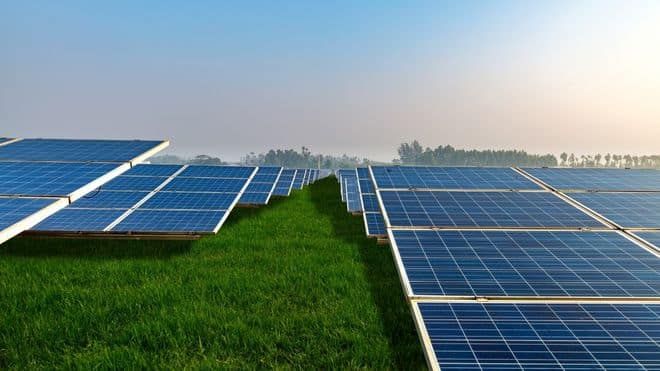
The reasons vary, but many farmers point to growing competition for land from developers—including those building solar energy projects. More than 1,700 acres of farmland within agricultural districts have already been converted to solar use, the report found.
O’Mara and other critics say state-level policies are making the problem worse, especially the 2024 RAPID Act, which aims to fast-track permits for renewable energy projects like solar and wind. The new rules override local zoning in some cases and raise concerns about eminent domain.
The updated regulations are now open for public comment through December 8.
Who will farm next?
The state Assembly’s Agriculture Committee held a hearing last week focused on a growing generational gap: more than 90% of senior farmers in New York have no successor. That means nearly two million acres of farmland could change hands in the next decade—with no guarantee it stays in agriculture.
The question facing lawmakers: how to protect open farmland and attract new, younger farmers?
According to O’Mara, that starts with not sacrificing farmland in the name of climate action.
“We cannot afford to change the face of New York State agriculture as we have known it for generations,” he wrote. “We can’t risk the future of high quality, local food production or take steps that could spark the loss of more family farms.”

FingerLakes1.com is the region’s leading all-digital news publication. The company was founded in 1998 and has been keeping residents informed for more than two decades. Have a lead? Send it to news@fingerlakes1.com.