

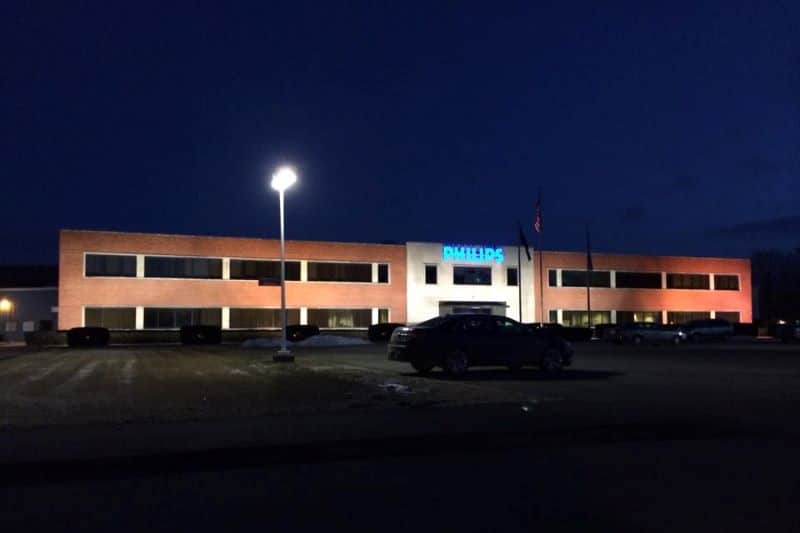
A massive, years-long cleanup of the former Philips Lighting plant in Bath has steadily progressed, with crews removing old infrastructure, contaminated soils, and installing long-term systems to protect neighbors and the environment. The site has been under the state’s Brownfield Cleanup Program since 2014.
What’s been removed so far
Since 2015, contractors have tackled a series of Interim Remedial Measures, or IRMs. These are targeted projects meant to remove the worst problems first. They include:
- Old electrical substation and gasoline tank areas dug out and backfilled with clean soil.
- An explosives bunker and buried solid waste demolished and removed.
- Stockpiled soils mixed with asphalt and concrete hauled away after testing showed some contamination. Follow-up excavation and testing confirmed the area was clean.
- Buried vacuum tube waste unearthed and disposed of, with the state requiring additional testing for new “emerging contaminants” like PFAS.

Soil and water protection
One of the biggest projects has been IRM-8, which covers more than three acres with a new soil cap. Crews excavated shallow soils and building slabs, then consolidated clean sub-base gravel and installed a protective layer of imported soil. In some areas, existing gravel was tested and reused under the cap.
The state also ordered extra groundwater monitoring for chemicals like 1,4-dioxane and PFAS. While those contaminants were detected in 2018 and later rounds of testing, none exceeded drinking water standards in off-site locations. Testing will continue.
Vapor intrusion concerns
The cleanup isn’t only about soil and water. Tests showed that chemical vapors from the site could seep into nearby buildings. To address that, sub-slab depressurization systems — similar to radon systems in homes — were installed at the Steuben County IDA building and the Veterans Memorial VFW. These systems pull air from beneath the foundation and vent it safely outside.
State oversight and rules
Every step is closely regulated by the state Department of Environmental Conservation. Contractors must monitor dust and air quality during excavation, track every truckload of soil, and certify that imported fill is clean. If something doesn’t meet standards, the state can order additional digging or require the waste to be handled as hazardous.
Boundary changes and ownership
The site originally covered more than 42 acres, but in 2025 the footprint was trimmed to about 39.5 acres. That amendment removed land that had either been taken decades ago for Route 54 or sold to a neighboring business.
Philips North America LLC and Yort, Inc., the current and former owners, remain responsible for the cleanup. In 2020, the Brownfield agreement was updated to meet the state’s newer “Generation 3” rules, which require more detailed documentation and digital record-keeping.
What comes next
The cleanup isn’t finished. The site is still under an Interim Site Management Plan, which restricts future use to industrial purposes and requires ongoing inspections of the soil cover, groundwater, and vapor systems. Annual reports must be filed with the state to prove everything is working.
For Bath residents, the bottom line is this: Much of the old contamination has been removed, capped, or controlled, but the site will stay under watch for years to come. The state says these steps are necessary to protect the community while giving the property a chance at future redevelopment.

FingerLakes1.com is the region’s leading all-digital news publication. The company was founded in 1998 and has been keeping residents informed for more than two decades. Have a lead? Send it to [email protected].