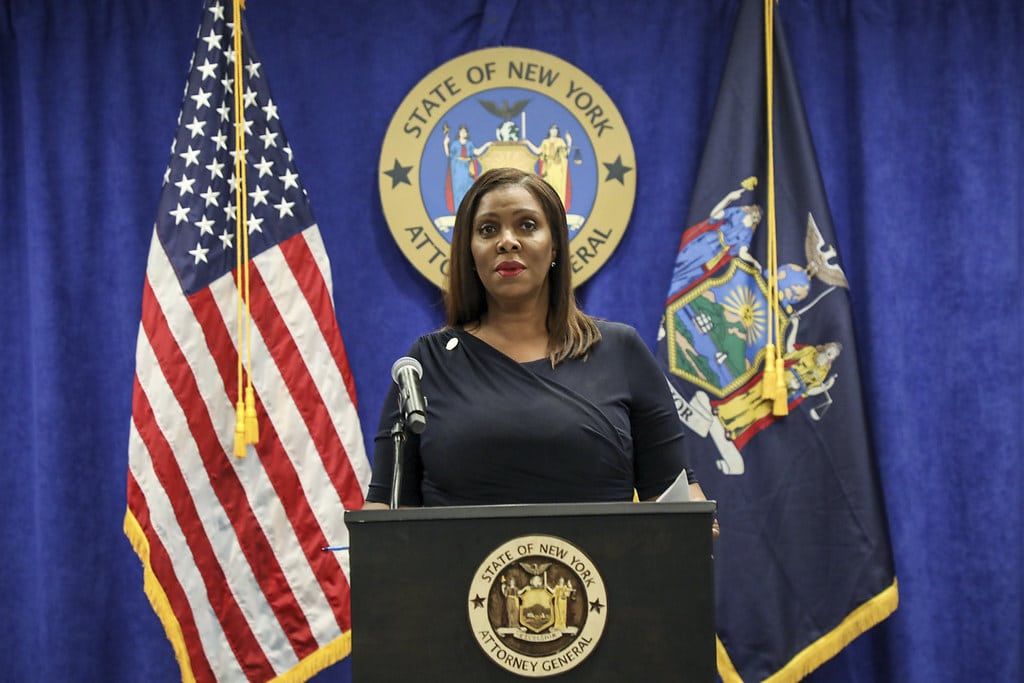
Sweeping federal changes to public benefit policies are putting vital services for low-income New Yorkers at risk—prompting a lawsuit led by the state’s attorney general. The sudden cuts impact a wide range of social programs and are already disrupting health, education, and anti-poverty services across the state.
Drastic policy shift hits safety net programs
Starting July 10, 2025, four federal agencies began enforcing new immigration verification rules under a directive tied to the executive order titled “Ending Taxpayer Subsidization of Open Borders.” These policies reinterpret a 1996 welfare law—previously applied narrowly—to broadly redefine many public programs as “federal public benefits” now subject to status checks.
The changes apply not only to undocumented immigrants, but also to visa holders, lawful residents, and in some cases, even U.S. citizens lacking identification. Programs affected include:
- Head Start early education
- Meals on Wheels
- Family planning clinics
- Community health centers
- Behavioral health programs
- Housing and utility assistance
New York’s core services at risk
Federal funding underpins many of the state’s social programs, and providers say the sudden shift is already causing operational chaos.
Health care access in jeopardy
- Community health centers serve 2.4 million New Yorkers annually. Without federal support, many may shut down.
- Title X clinics, which provide reproductive care and screenings to 300,000 residents, risk losing $11 million in funding unless they begin immigration checks—something medical staff warn is impractical and dangerous.
Cuts could cripple child and family programs
- Head Start receives $700 million in funding to serve 43,000 children. Providers say immigration checks could force closures, as happened temporarily in January 2025 when funding was frozen.
- Community Action Agencies, funded by a $65 million federal grant, distributed 1.5 million food boxes and served over 200,000 students last year. Fear and documentation hurdles could now keep thousands from getting help.
Mental health programs face collapse
New York’s $180 million behavioral health budget—covering crisis response, school-based care, and jail diversion—is also at stake. Officials say the new requirements create barriers for vulnerable populations, worsening the state’s youth mental health crisis.

Adult education disrupted
More than 80,000 residents depend on adult learning programs to improve literacy and access workforce training. Providers say immigration checks would destabilize the entire system, cutting off access for thousands overnight.
Legal action challenges legality of cuts
The lawsuit—joined by 20 other states and D.C.—argues that the administration:
- Bypassed federal rulemaking requirements, violating the Administrative Procedure Act.
- Misapplied the 1996 welfare law, extending it to entire programs instead of individual benefits.
- Violated the Constitution’s Spending Clause, by attaching new conditions to existing funding without proper notice.
The coalition is seeking immediate injunctive relief to halt implementation, vacate the rules, and prevent future attempts to reinterpret social policy through executive orders.
What happens next?
A federal court will now consider the request for a preliminary injunction. If granted, it could temporarily block the enforcement of the new policies while litigation proceeds.
For now, New York agencies are scrambling to maintain services while bracing for funding shortfalls and enrollment declines.

This content is brought to you by the FingerLakes1.com Team. Support our mission by visiting www.patreon.com/fl1 or learn how you send us your local content here.