In a quiet probation office tucked in the Finger Lakes region, a revolutionary digital tool is helping save lives. Livingston County Probation is at the forefront of juvenile suicide prevention thanks to its successful use of e-Connect, a screening system developed by Columbia University.
Director Lynne Mignemi and her team use the tool with every new juvenile case, screening for suicide risk and directing at-risk youth to timely mental health care. “Probation officers are not clinicians and this tool removes this type of decision making from the probation officer,” said Mignemi.

e-Connect delivers real-time assessments and automatically links young people in crisis to local mental health providers. Unlike traditional methods, the system uses a risk-based scoring method that limits unnecessary hospitalizations while ensuring urgent needs are met.
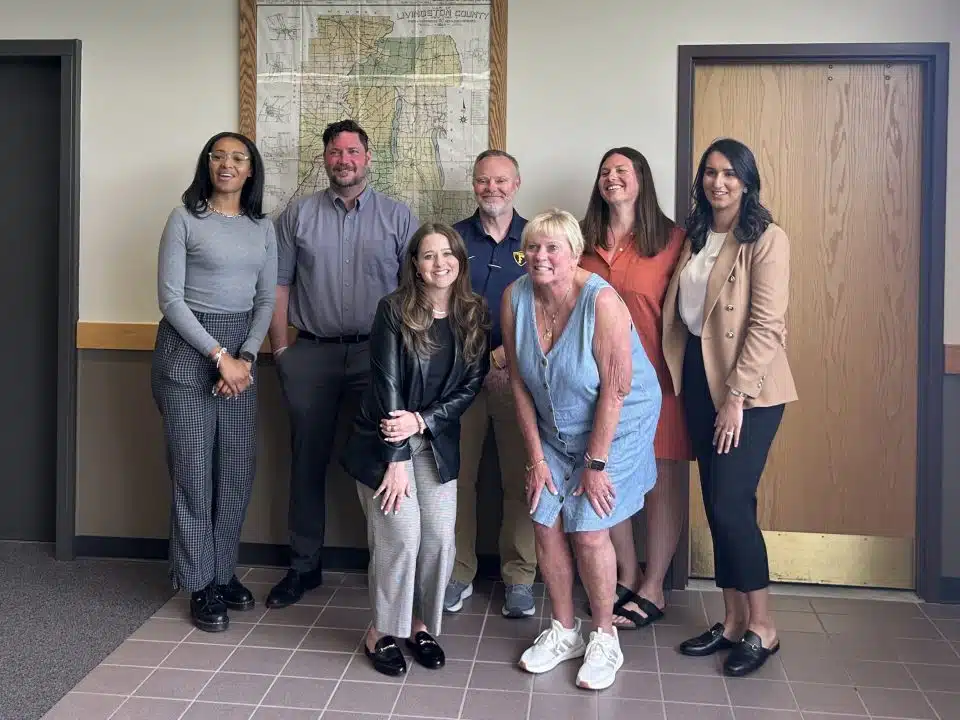
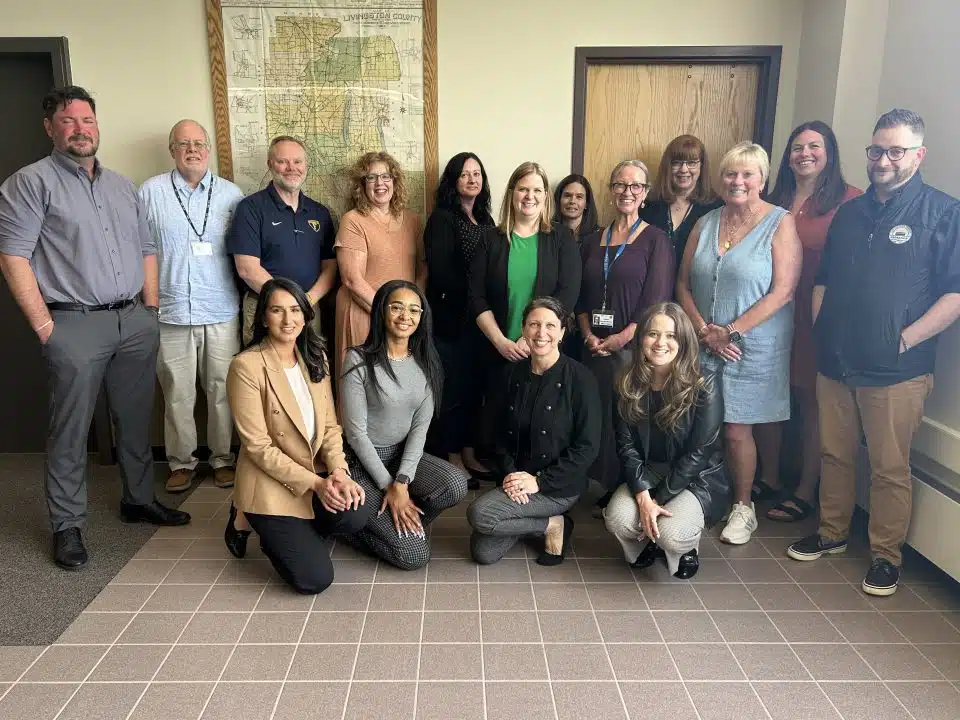
Since joining the pilot in 2018 as one of ten New York counties, Livingston’s success has drawn national attention. Last week, the department hosted a roundtable with Columbia University and Henry County Probation from Indiana, who now use the tool and came to learn from Livingston’s implementation. Representatives from local agencies like Livingston County Mobile Mental Health and Noyes Mental Health also joined to share insights on how interagency collaboration supports treatment access.
The visit underscored Livingston’s leadership. “As a result of their commitment to e-Connect, Livingston County Probation for the past year has had a perfect referral and treatment initiation rate,” said Dr. Katherine Elkington, Director of Columbia’s Center for Behavioral Health and Youth Justice. “All of [the identified] youth access care.”

The contrast is stark: before e-Connect, only 13% of identified youth received treatment statewide. Now, in the 12 counties using the tool, more than 2,500 youth have been screened. Of 1,000 with unmet needs, about 780 have entered care.
Key to Livingston’s success is its tight coordination with behavioral health agencies. The tool maps each youth’s needs to a predetermined referral pathway, streamlining the process. “With e-Connect, these young people receive immediate access to care,” Mignemi said.
In December, Mignemi joined Columbia at a statewide meeting to urge that e-Connect be adopted across all 62 New York counties and New York City. Currently, only probation departments in New York use the tool.

FingerLakes1.com is the region’s leading all-digital news publication. The company was founded in 1998 and has been keeping residents informed for more than two decades. Have a lead? Send it to news@fingerlakes1.com.