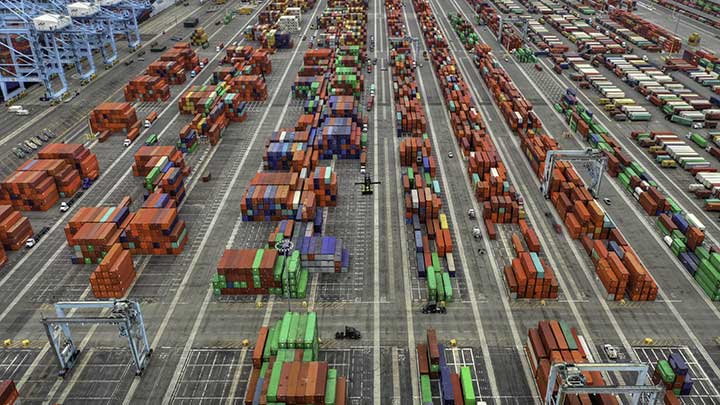
In logistics, reception is everything, and so is precision. Asset tracking came forward as a tool to ensure these components are fulfilled. Tracking assets across the supply chain helps the business optimize its operations and ultimately reduce costs. In this article, we discuss why asset tracking is not an option but a necessity in logistics.
Improving Operational Efficiency
Operational efficiency gets greatly enhanced by asset tracking. Utilizing advanced technology, companies can track the location and condition of their assets in real time. With this capability, organizations can make quicker decisions and spend less time hunting down missing items. By managing resources effectively, a business can deliver products quickly, and customers can have a shorter wait time between orders.
Reducing Loss and Theft
One of the most significant pain points in logistics is loss and theft. Asset tracking is one solution that ensures that goods are moving around securely and working through the supply chain. This makes it easy for businesses to identify discrepancies and rectify them accordingly. As a result, this proactive strategy limits the likely loss and prevents the theft of valuable resources.
Enhancing Inventory Management
Managing inventory is essential for any logistics operation. Asset tracking systems provide accurate data about stock on hand, helping to prevent overstocking or stockouts. This precision allocates resources where they are most needed, contributing to achieving the maximum level of balance between supply and demand.
Cost Savings
Asset tracking can save you a lot of money. It helps companies eliminate unnecessary costs by minimizing losses and managing inventory. Efficient asset management also reduces the need for excessive inventory storage costs. These savings can be reinvested into other areas, stimulating general business expansion.
Improved Customer Experience
The success of each logistics mission hinges on customer satisfaction. Asset tracking allows companies to give precise delivery estimates and enhance service reliability. Updating customers with timely information on their shipment creates trust and brand loyalty. Surpassing customer expectations is another avenue for businesses to reinforce their reputation while cultivating long-term relationships.
Keeping Maintenance and Repairs Simple
Maintaining the top condition of equipment and vehicles requires routine checking. To schedule maintenance tasks, asset tracking solutions can monitor asset usage and performance data. This approach is strategic and proactive, reducing downtime, extending the life of devices, and ensuring safety. Well-maintained plants ensure that operations are not interrupted and productivity is improved.
Assisting Compliance and Reporting
Regulatory compliance is essential for logistics. Asset tracking systems make it easier for organizations to obtain such information since they maintain complete records of the movements and state of the asset. Such data is vital for audits, reporting, and legal compliance. Organizations can avoid penalties and enjoy a positive standing with regulatory bodies by keeping track of everything.
Driving Decisions With Data
Data is the strongest input to fact-based business decisions. This data flows from asset tracking systems, and companies can sift through it all and find patterns and plot points to recognize where improvement is needed. Utilizing this data will allow businesses to ensure effective operations, lower waste, and increase efficiency. Data-driven methods will enable you to adapt to the swiftly changing demands in the market to stay competitive.
Implementing Asset Tracking Solutions
Picking up the right asset tracking tool is integral to success. Businesses must check scalability, integration convenience, and user-friendliness. A solution that integrates smoothly with the existing systems will help in easy adoption and maximize the benefits. It also means training staff and implementing support systems to implement what works.
Overcoming Challenges
Tracking assets has many advantages, but it also has its challenges. Some enterprises might reconsider due to the initial setup expenses and technological obstacles. The long-term benefits tend to eclipse the fears anyway. For an easier transition and successful implementation, one has to partner with experienced providers and invest in training.
Wrapping Up
As part of the logistics industry, asset tracking is vital as it helps in making the process efficient, lessens damage, and enhances customer satisfaction. With the need to stay on top of their game, the increased adoption of asset tracking solutions has become necessary for businesses. With these technologies in their hands, companies can dominate the operational front and secure a better logistics tomorrow.

This content is brought to you by the FingerLakes1.com Team. Support our mission by visiting www.patreon.com/fl1 or learn how you send us your local content here.