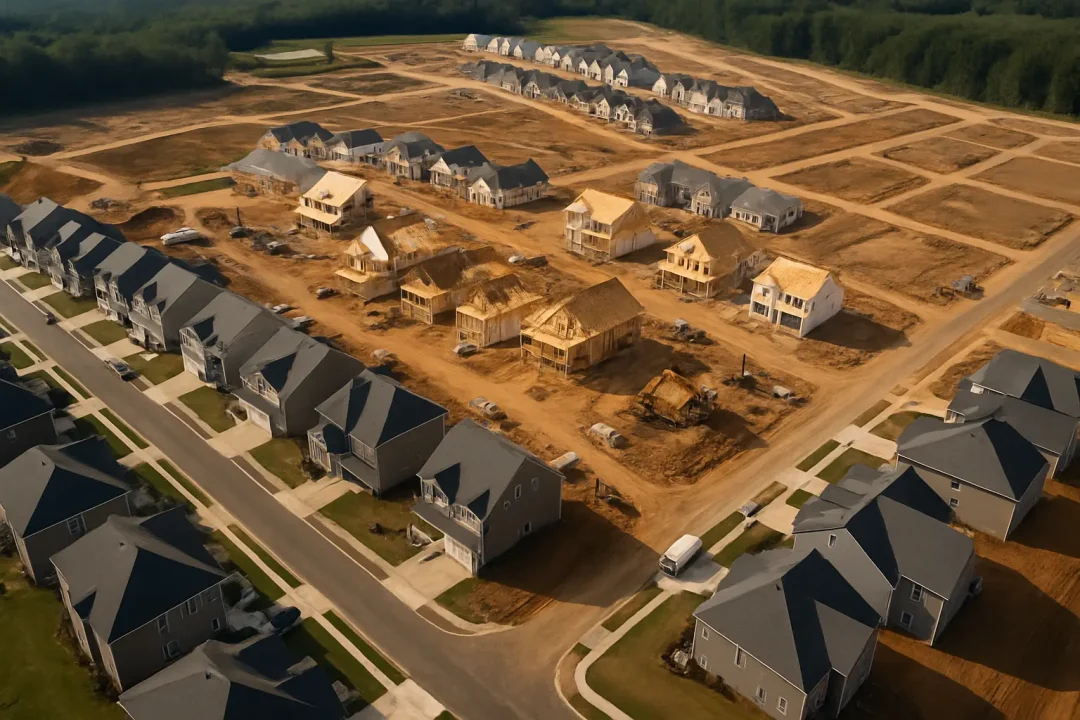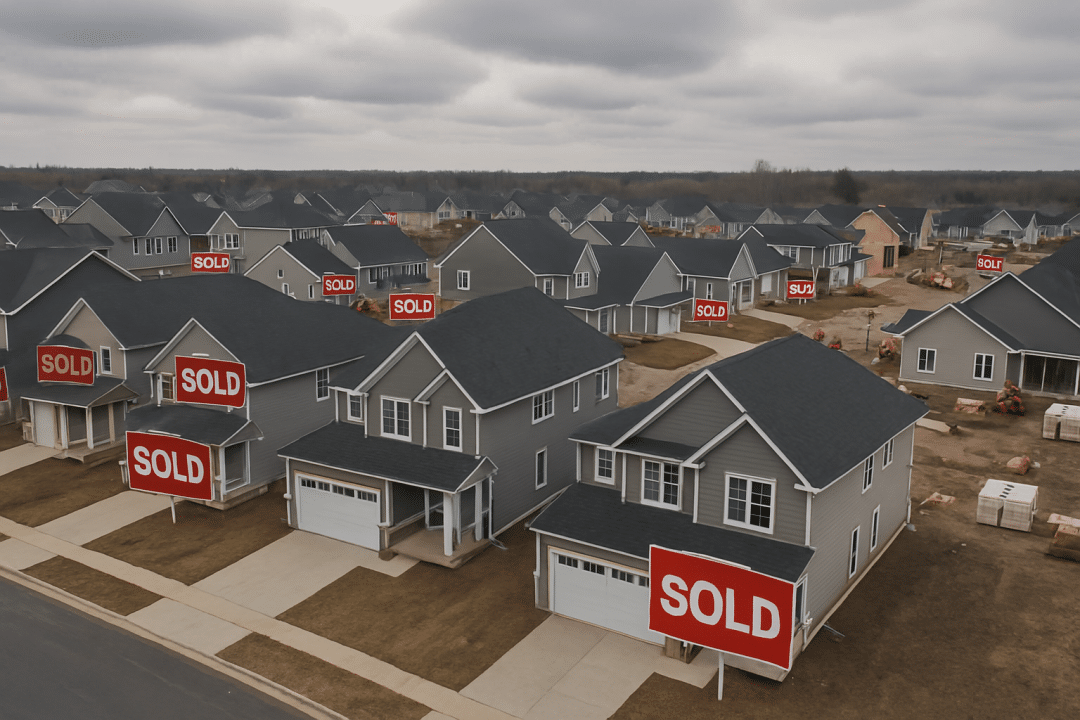
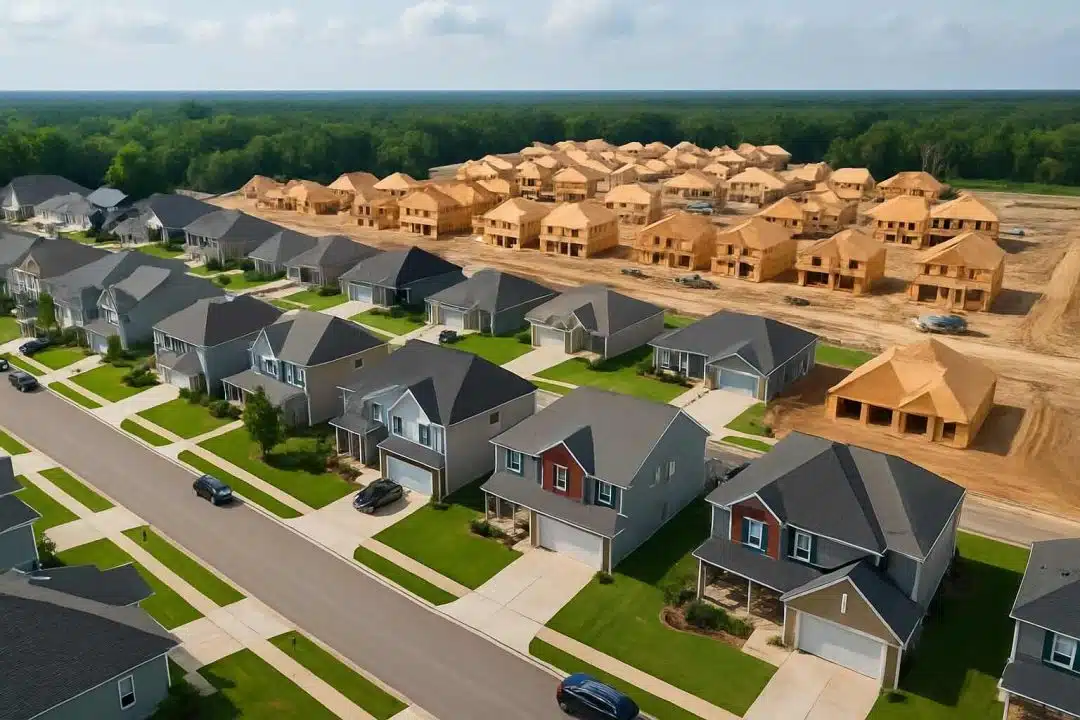
As rising home prices and mortgage rates continue to price out many would-be buyers, the build-to-rent model is reshaping the American housing market. Developers are constructing entire neighborhoods of single-family homes exclusively for rent—offering space, privacy, and amenities without the burden of ownership.
According to a new analysis by Realtor.com and data from Yardi Matrix, more than 100,000 new build-to-rent units are under development across the U.S., following a record-setting 2024 that saw 39,000 single-family rental homes completed, a 15% increase year over year.
What is build-to-rent?
Build-to-rent homes are freestanding properties designed from the start as rentals. Unlike traditional homes sold to individual owners, these units are managed like apartment complexes, offering centralized maintenance, leasing services, and shared amenities. Monthly rents typically range from $1,500 to $3,500, depending on location and features.
Top metros leading the build-to-rent surge
The Southwest and Sunbelt states dominate the build-to-rent market due to ample land, population growth, and strong job markets. The five cities with the most build-to-rent inventory are:
- Phoenix, AZ – 17,000 units
- Dallas, TX – 14,700 units
- Houston, TX – 8,800 units
- Atlanta, GA – 8,100 units
- Charlotte, NC – 4,000+ units
Phoenix: Ground zero for build-to-rent growth
Phoenix leads the nation with over 17,000 build-to-rent units, including 4,460 built in 2024 alone. The metro’s largest new community, The Bungalows on Camelback, offers 334 homes with rents starting at $1,500 for a one-bedroom. Over 13,000 more build-to-rent units are planned, reflecting continued demand in Arizona’s capital.
Dallas and Houston ramp up production
Dallas added more than 3,000 build-to-rent homes last year and has 8,000 more in the pipeline. Houston saw a 187% year-over-year increase in build-to-rent construction, with 2,000 new homes delivered and another 4,000 planned.
Atlanta and Charlotte see explosive growth
Atlanta’s build-to-rent inventory grew 1,381% since 2019, supported by a population surge of 75,000 in one year. Nearly 3,000 units were completed in 2024, and 6,880 more are underway.

Charlotte added 1,400 build-to-rent units across 15 communities last year—nearly a 900% increase since before the pandemic—and is currently building nearly 5,000 more.
Why renters are choosing build-to-rent
For many households, build-to-rent offers an attractive alternative to homeownership. Millennials and Gen Z renters are drawn to:
- New construction and modern finishes
- Private yards and garages
- No maintenance responsibilities
- Amenities like pools, fitness centers, and green space
Kenneth Brown, a resident of the South Pine community in metro Atlanta, praised the convenience: “I love the backyard, the space, and having a maintenance team on-site,” he told 11Alive. Brown pays $2,100/month for his rental townhome.
Rising costs fuel demand
According to Realtor.com’s April 2025 Housing Trends report, the median home price in Atlanta reached $412,000, requiring an annual income of over $109,000 to purchase. In this climate, many households are opting to rent single-family homes rather than stretch to buy.
Concerns about the build-to-rent model
Despite its popularity, the build-to-rent model is facing criticism. Housing experts warn that build-to-rent developments may reduce for-sale inventory, making it harder for individuals to purchase homes.
“Much of the new housing stock is going directly into rental portfolios, bypassing individual buyers entirely,” said Taylor Shelton, a housing researcher at Georgia State University.
There are also concerns about management quality at build-to-rent communities. Some municipalities, like Houston and Clayton County, GA, are exploring new rules or restrictions to regulate the sector. Houston’s Bainbridge district recently proposed an ordinance requiring on-site management and minimum green space requirements for build-to-rent developments.
What happens next?
As housing affordability remains strained and lifestyle preferences shift, the build-to-rent market is likely to expand. However, ongoing scrutiny from policymakers and community advocates may shape how—and where—these neighborhoods grow.

This content is brought to you by the FingerLakes1.com Team. Support our mission by visiting www.patreon.com/fl1 or learn how you send us your local content here.