Senator Mike Lee of Utah has introduced a bill that could reshape how the federal government handles online pornography. The Interstate Obscenity Definition Act aims to standardize how “obscenity” is defined and prosecuted across state lines.
Here’s a breakdown of what the bill says, why it matters, and how it could impact digital content.
What is the Interstate Obscenity Definition Act?
Introduced on May 8, 2025, the bill updates the federal definition of obscenity. It builds on existing laws that already exclude obscene content from protection under the First Amendment. Instead of relying on a vague 1973 legal standard, the new bill provides clear guidelines suited for the internet era.
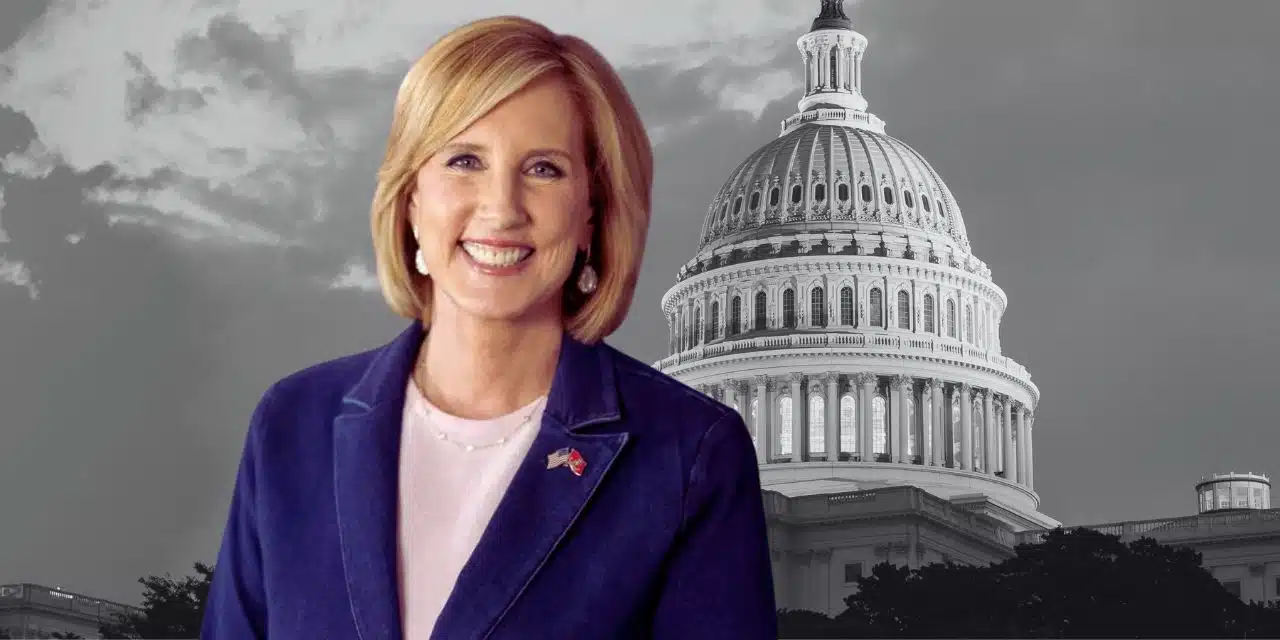
Representative Mary Miller of Illinois, who co-leads the bill in the House of Representatives, said it gives law enforcement new tools to fight online content that “destroys families and harms children.”
What would the bill change?
The Interstate Obscenity Definition Act would:
- Update the Communications Act of 1934 with a national definition of “obscenity.”
- Define obscene material as content that:
- Appeals to a prurient interest in nudity, sex, or excretion.
- Depicts sexual acts or contact meant to arouse or gratify.
- Lacks serious literary, artistic, political, or scientific value.
- Remove the requirement to prove harmful intent. Prosecutors would no longer need to show that the sender intended to abuse, threaten, or harass.
This change would make it easier to prosecute people who send or share obscene content across state lines.
Why is Senator Mike Lee proposing this?
Senator Lee believes current laws are too weak to address the spread of digital pornography. He argues that courts have struggled to apply outdated standards to modern online content. In his words, “vague definitions have allowed extreme pornography to saturate American society.”

His proposal would replace inconsistent local standards with one national definition. That would give law enforcement a clearer framework for enforcement.
How would enforcement change?
Currently, federal law requires proof of intent to abuse or threaten when prosecuting someone for transmitting obscene material. The Interstate Obscenity Definition Act removes that clause. Law enforcement would be able to charge individuals for sending obscene content across state lines—regardless of intent.
That would expand the government’s ability to pursue cases against websites, platforms, or individuals distributing explicit material.
What are the concerns?
Some critics warn that the bill could restrict protected expression. Although obscene content is not protected under the First Amendment, courts have often ruled cautiously to avoid limiting free speech.
Strict definitions could impact material that some people view as artistic or educational. Legal challenges would likely follow if the bill becomes law.
What’s next?
The bill has not yet passed in either the Senate or the House of Representatives. It may face strong opposition from civil liberties groups and lawmakers concerned about overreach. If enacted, it would represent one of the most aggressive efforts in decades to regulate online pornography at the federal level.

This content is brought to you by the FingerLakes1.com Team. Support our mission by visiting www.patreon.com/fl1 or learn how you send us your local content here.