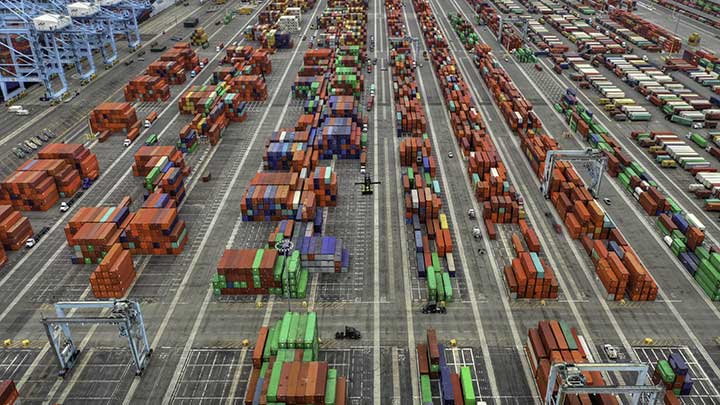
Handling heavy loads in a warehouse isn’t just about brute strength or having the right equipment, though that helps. It’s a mix of smart planning, using the right tools, and ensuring that everyone on the team is on the same page. Sounds straightforward, right? But when you’re in the thick of a busy day, rushing to meet deadlines, it’s easy to cut corners or overlook safety. That’s when accidents happen, equipment gets damaged, or things grind to a halt. So, how do you keep things running smoothly and safely? Let’s break it down.
The Challenges of Heavy Load Handling
Have you ever tried to lift something heavy, only to realize halfway through that you’ve underestimated the weight? Now imagine doing that in a warehouse with forklifts, pallets, and tight corners. It’s not just inconvenient, it’s dangerous. Injuries, dropped loads, and damaged inventory, are common risks when handling heavy loads.
And let’s be honest: warehouse environments are fast-paced. The pressure to move quickly can sometimes lead to risky decisions. Combine that with uneven surfaces, poorly maintained equipment, or unclear pathways, and you’ve got a recipe for trouble. That’s why understanding the challenges upfront is so important. It’s the first step to working smarter, not harder.
Picking the Right Equipment for the Job
Here’s the thing: no matter how strong or skilled your team is, the right tools make all the difference. Imagine trying to lift a sofa without a dolly, possible, but not fun. The same logic applies in a warehouse.
Forklifts are the workhorses of most warehouses, but they’re not one-size-fits-all. For heavier or awkwardly shaped loads, accessories like fork extensions can be a game-changer, as they allow you to handle longer loads without compromising stability, a win for both safety and efficiency.
Of course, forklifts aren’t the only tools in the shed. Pallet jacks, hoists, cranes, they all have their place. The trick is knowing which tool works best for the job at hand. Do you have oversized pallets? Forklift extensions. Tight corners? A compact pallet jack might do the trick. Matching the equipment to the task can save time and prevent a lot of headaches (and backaches).
Why Training Matters More Than You Think
Have you ever watched someone use a tool wrong and thought, “That’s not going to end well”?
Proper training can prevent that kind of scenario. It’s not just about knowing what button to push or lever to pull. It’s about understanding why certain practices are safer and how to handle unexpected situations.
Every warehouse worker should know the basics: how to lift heavy items without straining, how to properly secure a load, and how to operate equipment like forklifts. But beyond the basics, it’s important to create a culture where safety is second nature. Regular training sessions, quick refreshers, and even on-the-spot coaching can keep safety top of mind.
And let’s not forget communication. Clear instructions and knowing who’s doing what makes a huge difference. After all, teamwork isn’t just for team-building exercises, it’s critical in the warehouse, too.
Simple but Effective Practices for Safe Heavy Load Handling
Sometimes, it’s the small things that make the biggest impact. Take a moment to think about your warehouse setup. Are pathways clear, or is there a maze of boxes and pallets to navigate? Are load limits clearly marked, or is it a bit of a guessing game?
Here are some practical tips you can start using today:
- Inspect the Load: Before you even think about lifting, check the weight and stability. If it looks questionable, don’t change it.
- Secure Everything: Loose items can shift during transport, throwing off balance and causing accidents.
- Keep It Balanced: Uneven loads are harder to control and can tip over equipment.
- Plan Your Route: Know where you’re going and ensure the path is free of obstacles.
- Use Tools Properly: Forklift extensions, for example, should be correctly attached and used within weight limits.
And remember, rushing almost always backfires. Taking an extra minute to double-check can save hours of downtime and repair costs later.
The Role of Routine Maintenance
Let’s face it, equipment takes a beating in a warehouse. Forklifts are lifting and moving all day, pallet jacks get pushed to their limits, and even something as sturdy as forklift extensions can show wear over time. Regular maintenance isn’t just a good idea; it’s essential.
Think of it like taking your car in for an oil change. If you skip it, everything might seem fine, until it’s not. The same goes for warehouse equipment. Create a maintenance schedule and stick to it. Inspect forklifts, extensions, and other tools regularly for signs of wear and tear. If something seems off, don’t ignore it.
Embracing Technology for Safer Workflows
Have you observed how warehouses are evolving due to technology? There are many ways to assist in lightening the load (literally) and these include the use of smart tools and automated systems. For example, there are AI-enabled systems that can enhance storage layouts for better processes and efficiency and sensors that can establish whether a forklift is overladen. Even the smallest changes can make a big difference, even though not all warehouses are ready to become fully automated. It is possible to buy the right technology to enhance the system’s efficiency, reduce the chances of errors, and enhance safety. Also, it may enable your team to focus on tasks that require human intervention.
Wrapping It All Up
Handling heavy loads safely and effectively isn’t rocket science, but it does require attention to detail and a commitment to doing things the right way. From choosing the right equipment (don’t underestimate those forklift extensions!) to regular maintenance and proper training, every small step adds up to a safer, more efficient warehouse.
Then what comes after your warehouse? It may be helpful to check on your equipment or organize a training session for the team. Or you may want to check out some new technologies that can help you improve your processes. At all times, remember the fact that safety and efficiency are best friends. It’s important to look after your team, your tools, and your processes, and you’ll start to see the benefits immediately.

This content is brought to you by the FingerLakes1.com Team. Support our mission by visiting www.patreon.com/fl1 or learn how you send us your local content here.