
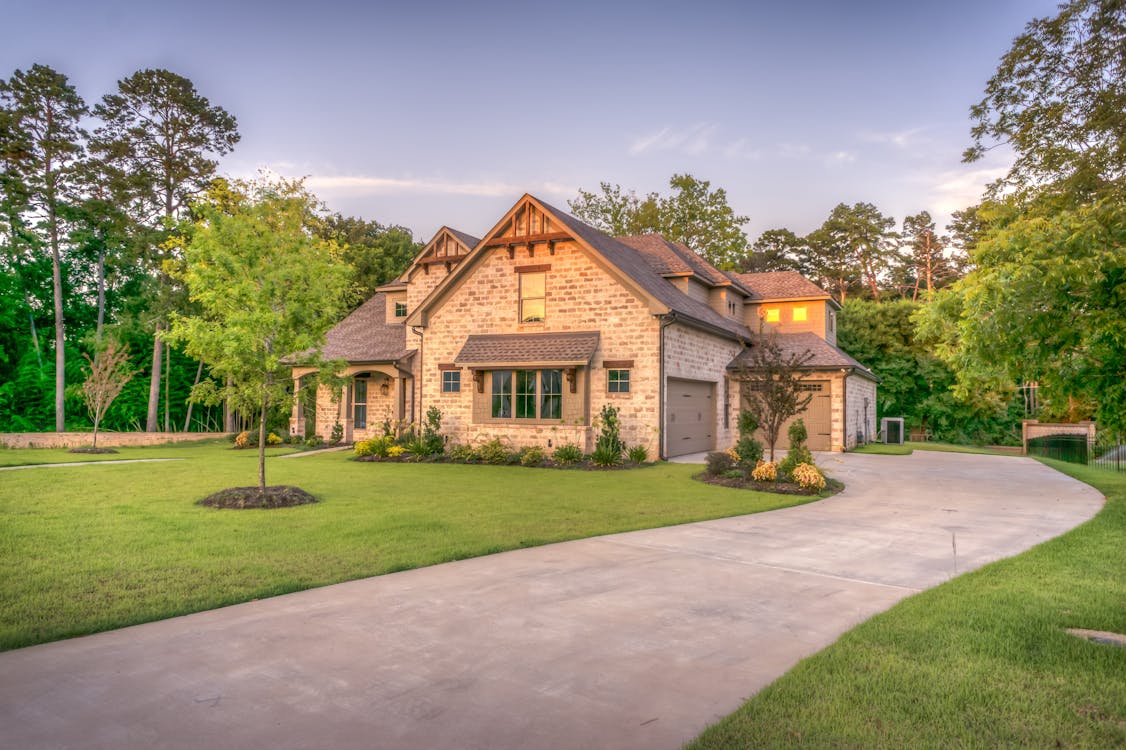
Investing in landscaping can significantly enhance a property’s market appeal and value. Research shows that professional landscaping can increase a home’s value by as much as 15 to 20 percent upon resale. This statistic is particularly compelling for homeowners looking to maximize their investment, especially in the competitive real estate market of 2025.
As environmental concerns grow, sustainable landscaping methods are becoming more desirable, affecting home evaluations. Homeowners who embrace eco-friendly practices not only contribute to environmental health but can also see increased property valuation. Understanding which landscaping projects offer the best return on investment can help owners make informed decisions to elevate their homes’ worth.
With the insights shared in this article, readers will discover practical tips and strategies for leveraging landscaping to boost property value. The evolving trends in landscaping illustrate the importance of a well-maintained outdoor space as part of any home improvement plan.
Key Takeaways
- Professional landscaping can significantly boost home value.
- Sustainable landscaping practices enhance property appeal and valuation.
- Analyzing cost vs. return ensures efficient investment in landscaping projects.
Economic Impact of Landscaping on Home Value in 2025
Landscaping significantly influences the market value of homes in 2025. The rise of buyer preferences for aesthetically pleasing environments, combined with specific enhancements, has changed how properties are valued in real estate.
Market Trends in Real Estate for Enhanced Landscape Design
In 2025, real estate trends show an increasing demand for homes with professional landscaping. Thoughtfully designed landscapes that incorporate software-driven solutions can greatly enhance a property’s curb appeal and overall value. Using professional landscape design tools, like best landscape design software, homeowners and professionals can create visually stunning outdoor spaces that boost marketability. These innovative tools allow users to experiment with various features and plant selections digitally, ensuring optimal use of space and resources while maintaining aesthetic value. Embracing these technologies results in precise designs that seem hand-drawn, satisfying eco-friendly practices with features such as realistic plants and extensive symbol libraries.
Buyers are more inclined to pay a premium for properties that feature well-designed outdoor spaces, including gardens, patios, and water features.
The idea of curb appeal has evolved, becoming a critical component in property listings. Realtors note that homes with thoughtfully designed landscapes can garner up to a 20% increase in sale price compared to those with average landscaping. Additionally, eco-friendly landscaping practices are gaining traction, making homes more marketable to environmentally-conscious buyers.
Statistical Analysis of Property Value Increase
Numerous studies confirm the financial benefits of quality landscaping for property values. On average, landscaping improvements can enhance home value by 10 to 20%. A standard investment of 10-20% of the property’s current worth in landscaping can yield comparatively high returns at sale.
For instance, a home valued at $350,000 could see an increase of $35,000 to $70,000 with well-executed landscaping. Landscaping features such as tree removal, planting, and hardscaping are essential for maximizing property appeal and value. Engaging professionals for these services can lead to more substantial outcomes, making tree services an invaluable part of the home enhancement process.
Sustainable Landscaping and Its Influence on Property Valuation
Sustainable landscaping practices not only enhance aesthetic appeal but also contribute to property value. Key approaches such as xeriscaping and native planting are gaining traction for their environmental benefits and low maintenance requirements.

Xeriscaping and Low-Maintenance Garden Appeal
Xeriscaping focuses on water-efficient landscape design, which is essential in regions prone to drought. This approach minimizes water use by selecting drought-resistant plants and implementing efficient irrigation systems.
Benefits include reduced water bills and less time spent on maintenance. Homes featuring xeriscaped gardens can attract buyers looking for eco-friendly features while also decreasing long-term landscaping costs.
Furthermore, properties with low-maintenance gardens feel more appealing due to their reduced upkeep needs. This can enhance buyer interest, leading to potential increases in property valuation.
Native Planting and Eco-Friendly Landscape Practices
Utilizing native plants is a cornerstone of sustainable landscaping. These plants are adapted to local climates and soil conditions, requiring less water and fewer chemical inputs. This not only promotes biodiversity but also reduces the environmental footprint.
Properties landscaped with native plants can command higher market values. They often attract buyers who prioritize sustainability and ecological practices.
Incorporating eco-friendly landscape practices—such as organic fertilizers and sustainable materials—further enhances property appeal. These features are attractive to environmentally conscious purchasers, making such homes more desirable in the current market.
Cost vs. Return on Investment for Landscaping Projects
Landscaping decisions can significantly impact home value, but understanding the costs versus the potential returns is essential. Homeowners should evaluate both immediate expenses and long-term financial benefits from landscape improvements.
Analyzing Cost-effective Landscaping Solutions
A variety of landscaping projects can enhance property value without imposing excessive costs. Key considerations include:
- Plant Selection: Choosing native plants not only requires less maintenance but often results in lower water usage.
- Hardscaping: Features like patios or decks can offer significant returns. For instance, adding a wood deck can return approximately 80% of its cost.
- Cost Estimates: Homeowners typically spend about 10% of their home’s value on landscaping. Understanding the market rates for trees ($150-$1,850 each) and mulch ($192-$402 per cubic yard) helps in planning.
By focusing on cost-effective solutions, homeowners can make informed choices that maximize returns.
Long-term Financial Benefits of Landscape Improvement
Investing in landscaping can yield substantial long-term benefits. Mature trees and well-maintained gardens not only increase aesthetic appeal but also improve energy efficiency and property comfort.
- Energy Savings: Trees strategically placed can reduce cooling costs by providing shade, thus leading to lower utility bills.
- Marketability: Improved curb appeal can create a compelling first impression, making a property more attractive to potential buyers.
- ROI on Common Projects: According to studies, hardscaping features typically outperform traditional landscaping investments.
By understanding these long-term benefits, homeowners can appreciate the financial value of thoughtful landscaping choices.
Frequently Asked Questions
Landscaping can significantly influence a home’s value and marketability. Homeowners and potential sellers often have specific queries regarding how various landscaping choices can impact overall property worth.
What type of landscaping improvements can lead to the highest increase in home value?
Improvements such as installing a well-maintained lawn, flower beds, and trees can yield significant returns. Professional landscaping that incorporates native plants and sustainable features can also attract buyers and enhance value.
How does outdoor landscaping affect the appraisal value of a home?
Appraisers consider the quality and design of outdoor spaces when determining a home’s market value. Attractive landscaping often creates positive first impressions and can lead to higher appraisal values.
Which affordable landscaping upgrades can significantly enhance home value?
Affordable upgrades such as adding mulch, planting shrubs, or creating defined garden beds can make a notable difference. Simple improvements like maintaining a healthy lawn and seasonal flowers can also enhance curb appeal without extensive costs.
To what extent does landscape investment impact the marketability of a home?
Investment in landscaping increases marketability by making a property more visually appealing. Enhanced outdoor spaces often lead to quicker sales and can entice more potential buyers.
What are the top landscaping features that contribute to an increase in property value?
Features such as patios, walkways, and well-placed trees can boost property value. Water features, outdoor lighting, and functional spaces like outdoor kitchens also attract buyer interest and enhance appeal.
How critical is the role of landscaping in boosting the overall value of a property when selling?
Landscaping plays a crucial role in the selling process. Well-maintained outdoor spaces can set a property apart in the market, leading to quicker sales and potentially higher offers.

This content is brought to you by the FingerLakes1.com Team. Support our mission by visiting www.patreon.com/fl1 or learn how you send us your local content here.