

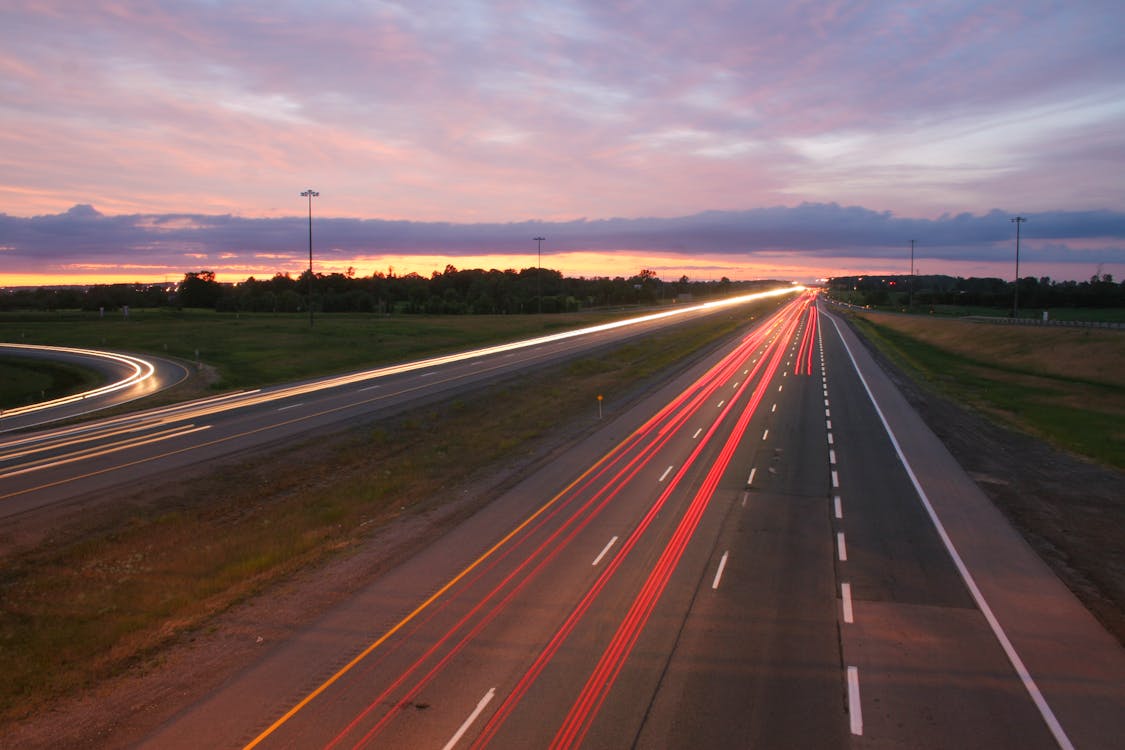
How is Arizona addressing the growing demands on its transportation infrastructure as the state rapidly expands? With its population surging and urban centers facing increased traffic congestion, Arizona has embarked on a series of projects aimed at improving roads, public transit, and pedestrian safety.
From highway expansions to the implementation of cutting-edge traffic management technologies, the state is working to enhance mobility for cars, cyclists, and pedestrians alike. Let’s take a quick look and explore Arizona’s past efforts, current projects, and future plans to create a more efficient, safe, and sustainable transportation network.
Arizona’s Road Infrastructure – Past Improvements and Challenges
Over the past few decades, Arizona has made significant strides in expanding and upgrading its road infrastructure to accommodate rapid population growth and increasing traffic demands. Major projects like the I-10 and I-17 expansions have helped alleviate congestion in key areas.
The South Mountain Freeway, completed in 2019, added 22 miles of highway to bypass downtown Phoenix and reduce travel times. These projects were essential as the state’s population surged by more than 760,000 people between 2010 and 2020, concentrated in urban centers.
However, Arizona’s extreme heat, which can exceed 110°F in summer, accelerates road wear, requiring frequent repairs. Rapid urban sprawl has strained infrastructure in fast-growing suburbs, while rural regions face challenges with outdated roads. To keep pace with growth, Arizona will need to focus on innovative, long-term transportation planning that addresses both urban and rural needs.
Current Infrastructure Projects
Arizona is currently undertaking several projects to improve traffic flow and safety. The I-10 Broadway Curve Improvement Project, a $615 million initiative, spans 11 miles between Loop 202 and I-17, and is expected to be completed by late 2024. It will include additional lanes, upgraded interchanges, and new pedestrian and cyclist bridges, all aimed at reducing congestion for the approximately 300,000 vehicles that travel this stretch daily.
In addition to highway expansions, interim improvements have been made on SR 347, a vital route connecting Phoenix to Maricopa. Recent upgrades include restriping turn lanes and adjusting traffic signals to ease congestion.
These updates are part of a broader effort to improve safety and traffic flow along this corridor until larger-scale improvements are made. The I-10 corridor between Phoenix and Casa Grande is also slated for expansion to three lanes in each direction, backed by a $1 billion investment.
Pedestrian and Cyclist Safety Improvements
Arizona is addressing rising pedestrian and cyclist fatalities with targeted safety measures. In 2021, the state had the fifth-highest pedestrian fatality rate in the U.S. Cities like Phoenix and Tucson are tackling this issue by installing high-intensity activated crosswalks (HAWKs) and pedestrian refuge islands. Phoenix has already implemented more than 100 HAWK signals in high-traffic areas.
Cyclist safety is also a focus, with Tucson adding 15 miles of protected bike lanes as part of its Complete Streets initiative. In case of an accident, it’s crucial to stay calm, call emergency services immediately, and avoid moving any injured parties unless they are in immediate danger. Documenting the scene, collecting witness information, and hiring a bicycle accident attorney can also help with any subsequent legal or insurance processes.
Phoenix aims to double its bike lanes by 2030. These measures are expected to significantly reduce the number of cyclist fatalities and promote safer, more accessible cycling routes in urban areas.
Public Transit Upgrades
Arizona is investing heavily in expanding its public transit system. The Valley Metro light rail network, which spans 28 miles, is undergoing a $1.35 billion extension to South Phoenix, scheduled for completion in 2024. This extension will connect underserved communities to major employment and educational hubs, addressing growing demand in urban areas.
The state is also improving bus services by introducing high-frequency routes and launching the Bus Rapid Transit (BRT) system by 2027. The BRT will feature dedicated lanes for buses, reducing commute times and traffic congestion. These upgrades aim to reduce car dependency and offer more efficient, accessible public transportation options.
Technology in Traffic Management
Arizona is using advanced technologies to improve traffic flow and reduce congestion. Adaptive traffic signal systems, implemented along major corridors in Phoenix, adjust signal timing based on real-time traffic conditions. These systems have led to a noticeable reduction in travel times during peak hours.
The state is also investing in smart infrastructure to support autonomous and connected vehicles. Companies like Waymo and TuSimple are testing autonomous vehicles in Arizona, and the Arizona Department of Transportation (ADOT) has introduced real-time traffic monitoring systems on highways. These innovations aim to enhance road safety and make traffic management more efficient.
Walkability and Community Development
Improving walkability has become a key focus in Arizona’s urban planning. Phoenix’s Complete Streets policy prioritizes pedestrian-friendly infrastructure, resulting in wider sidewalks, refuge islands, and enhanced crosswalks. In 2022, the city completed a $25 million renovation in the Roosevelt Row Arts District, making it more accessible for pedestrians.
Tucson is also advancing walkability through the Downtown Links project, which connects key areas with pedestrian and bicycle paths. These initiatives not only enhance safety but also support local businesses and promote healthier, more sustainable communities as Arizona continues to grow.
Green Infrastructure and Sustainability Initiatives
Arizona is integrating sustainability into its urban planning through initiatives like the Tree and Shade Master Plan, which aims for 25% tree canopy coverage in Phoenix by 2030. In 2022, Phoenix planted over 6,000 trees to provide shade and reduce the urban heat island effect, making outdoor spaces more livable for residents.
The state is also expanding electric vehicle (EV) infrastructure, with over 1,000 public charging stations already installed. Through the Arizona Electric Vehicle Infrastructure Deployment Plan, the state aims to significantly increase this number by 2030. These green infrastructure projects align with Arizona’s broader goal of reducing emissions and creating eco-friendly urban environments.
Long-term Plans for Transportation
Arizona’s long-term transportation goals focus on expanding capacity and integrating new technologies. The 2040 Transportation Plan includes major projects like the I-10 expansion between Phoenix and Tucson, a critical freight corridor handling over 50% of the state’s commercial truck traffic. Improvements to rural road networks are also planned to enhance connectivity across the state.
Looking ahead, Arizona is preparing for the widespread adoption of autonomous vehicles, with plans to introduce smart highways equipped with sensors and communication systems. Increased investments in electric vehicle infrastructure and renewable energy integration will further support the state’s vision of a more resilient, future-ready transportation network.
Conclusion
What does the future hold for Arizona’s transportation infrastructure as the state continues to grow? Through a combination of strategic road expansions, public transit upgrades, pedestrian and cyclist safety improvements, and the integration of advanced technologies, Arizona is positioning itself to meet the challenges of increased demand while enhancing sustainability and safety.
As projects continue to unfold and long-term plans take shape, residents and commuters can expect a more efficient, accessible, and future-ready transportation system that serves all modes of travel.

This content is brought to you by the FingerLakes1.com Team. Support our mission by visiting www.patreon.com/fl1 or learn how you send us your local content here.