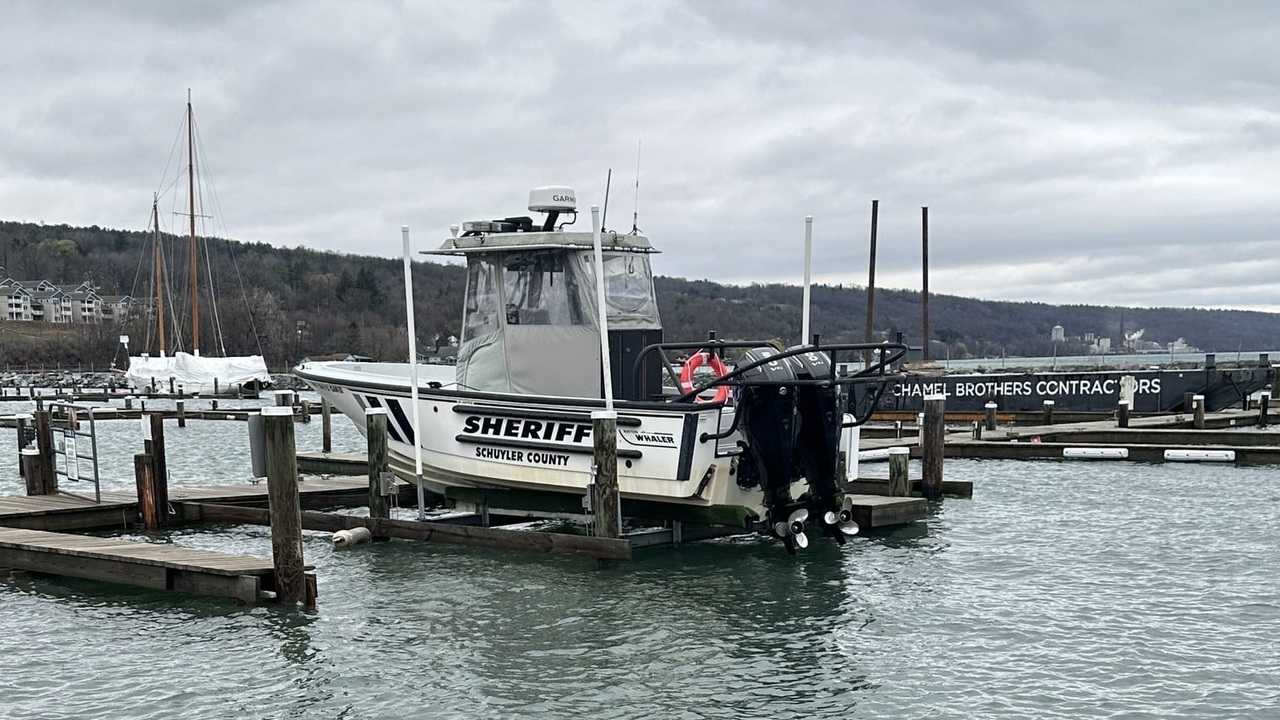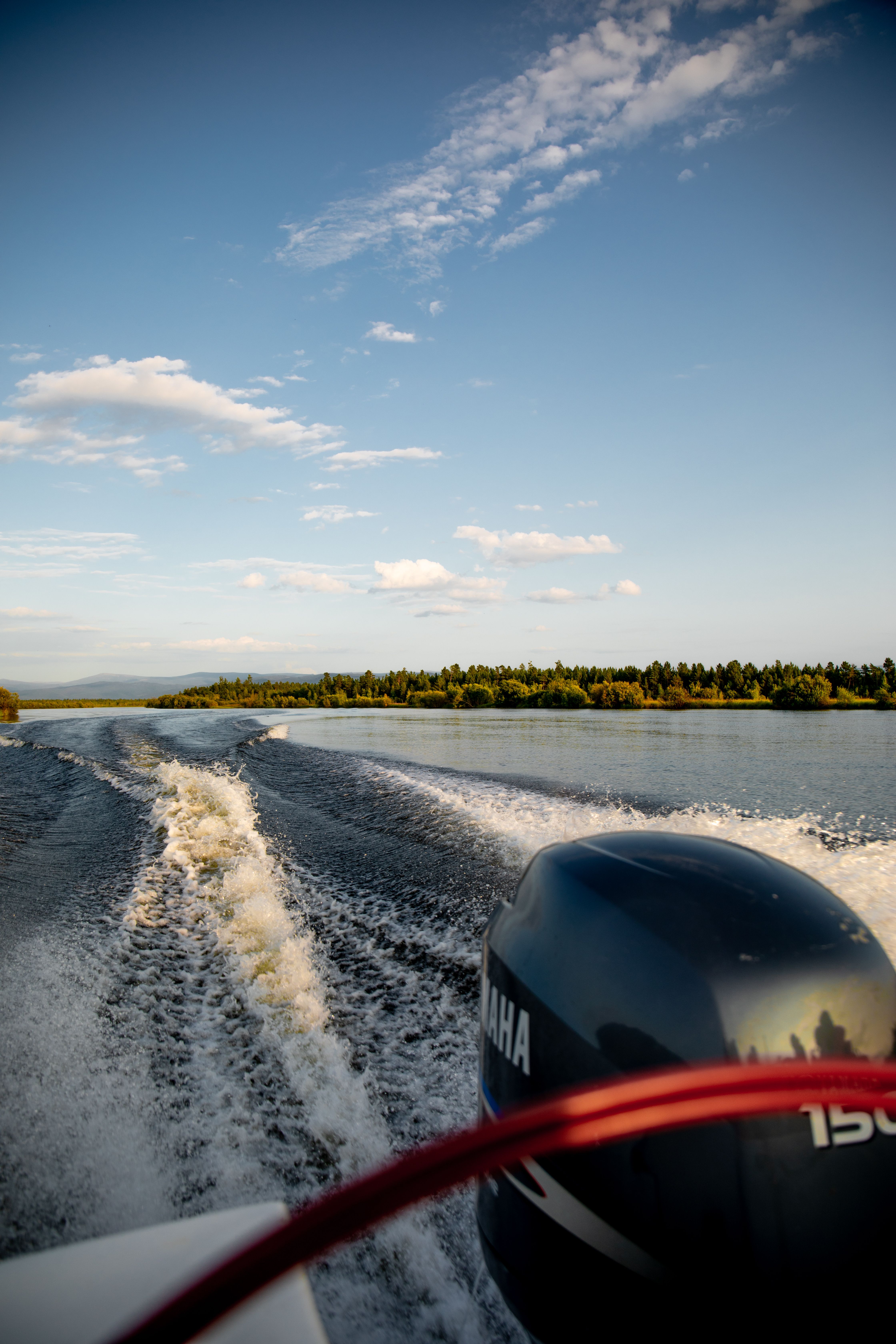
An outboard is not selected by horsepower in isolation. Compare two hypothetical boating scenarios to see why hull limits, shaft length, load, rigging, steering and service access can matter as much as rated power.
Why the Same Horsepower Does Not Mean the Same Fit
Two engines with the same horsepower figure can differ in shaft length, weight, control type, rotation, starting system, and rigging needs. Horsepower alone says nothing about whether an engine belongs on your transom.
The boat sets the starting point. In the US, most monohull outboard boats under 20 feet carry a capacity label stating maximum persons, maximum weight for persons, motor, and gear, and maximum horsepower. Some labels set a lower horsepower limit without remote steering, so even the control setup matters. Larger boats rely on the builder’s published ratings and installation requirements.
Treat those numbers as eligibility limits. An engine that exceeds the rated horsepower or pushes the boat past its weight capacity is off the list. The builder’s transom height, mounting, and installation requirements belong in the same category.
Two Boats, Two Different Outboard Selection Priorities
The two boats below are hypothetical, and comparing them side by side doesn’t mean they need the same horsepower. In practice, boats this different would be matched to different power within their own ratings. The comparison shows how priorities shift with use, not which engine either boat should carry.
Boat A is a small tender used for short runs from a mooring on sheltered water. It usually carries one or two people and little gear.
Boat B is a larger fishing boat that runs offshore for full days with a crew, coolers, extra fuel, and electronics. It has a console, remote steering, and a heavier electrical load.
Fuel use matters too. It depends on load, sea conditions, and propping as much as on the engine, so treat any published figure as a starting point, not a promise.
| Factor | Boat A (hypothetical tender) | Boat B (hypothetical fishing boat) | What must be verified |
| Hull limits | Small capacity label | Builder ratings for a larger hull | Maximum horsepower, weight capacity, transom requirements |
| Use and load | Short trips, light load | Long days, heavy and variable load | Real loaded weight against rated capacity |
| Shaft length | Must suit a low transom | Must suit a taller transom or bracket | Measured transom height against the engine’s shaft designation |
| Engine weight | Portability may matter | Weight affects trim and balance | Engine weight from Yamaha specifications against hull capacity |
| Steering and controls | Tiller may be practical | Remote steering and controls likely needed | Control type offered for that model and the boat’s existing rigging |
| Electrical and rigging | Minimal needs | Charging for electronics and accessories | Charging output, gauges, harnesses, and compatibility with existing equipment |
| Propeller | Matched to light-load use | Matched to loaded running | Final selection after installation, with dealer or installer input |
| Service access | Owner may handle basic care | Heavier work likely at a dealer | Access on the boat and local Yamaha service support |
Yamaha’s specifications cover the engine side: shaft designation, weight, control options, rotation, and charging output. The boat’s ratings, transom measurement, existing rigging, and final propeller choice need the boat manufacturer, a qualified Yamaha dealer, or an installer.

Separate must-haves from preferences
Must-haves come from the boat and the job. The engine has to fall within the hull ratings, match the transom, work with the steering, and support the electrical load the boat actually carries. If you run twin engines, rotation becomes a requirement too, since Yamaha offers counter-rotating versions of some models.
Preferences come after that: a particular engine family, a finish color, a digital control system, or the convenience of matching an engine you already own. Weigh them only among candidates that clear every requirement.
A repower may need different controls, cables, harnesses, gauges, or mounting hardware than the old engine used. List those changes before comparing totals.
Comparing Yamaha outboard motors After the Boat Fit Check
Once the boat’s limits and installation needs are known, the question shifts from horsepower to configuration.
The collection of Yamaha outboard motors at YamahaOnlineParts is a practical place to browse engine families, from portables through midrange outboards to V6 and larger offshore models. Product pages spell out configuration details such as shaft length, tiller or remote control, starting type, and counter rotation, which makes it easier to see how versions of the same horsepower differ. A listing still isn’t proof that an engine fits your boat, or that a given configuration is in stock. Check each candidate against Yamaha’s current specifications, then confirm the installation with a dealer or installer.
Before You Compare Motors: Buyer Worksheet
Bring these answers to a dealer or installer:
- Boat make, model, length, and rated maximum horsepower and weight capacity
- Typical use, operating area, and realistic loaded weight
- Current engine, engine weight, shaft length, controls, steering, gauges, and propeller
- Candidate engine configuration: model, shaft designation, control type, rotation, and specification source
- Required changes to controls, rigging, wiring, or mounting
- Installer or dealer input, including propeller selection
- Service access on the boat and nearest Yamaha support
- Unresolved questions to settle before buying
FAQ
Can any Yamaha motor replace another at the same horsepower?
No. Matching horsepower doesn’t make engines interchangeable. Shaft length, weight, controls, rotation, and rigging can all differ.
Is the highest available horsepower always better?
Not necessarily, and it may not be allowed. The engine must stay within the boat’s rated limits, and extra power may not suit how the boat is used.
Why check shaft length before choosing a motor?
The shaft has to match the transom height so the engine sits at the right depth. A mismatch can affect performance and may require mounting changes.
What information should a dealer review?
The boat’s ratings and transom measurement, your load and use, the current rigging and controls, and the candidate engine configuration you’re considering.
Make FL1 part of your day.
Local reporting. Useful updates. More ways to stay close to your community.
Go ad-free
Support independent local reporting and enjoy FL1 without display ads.
$4.99 / month
Become a member →Cancel anytime. Third-party media players may contain ads.Get the daily briefing
Start your morning with the headlines that matter across the Finger Lakes.
Find more FL1 on Google
Choose FingerLakes1.com as a preferred source to see more of our reporting in your Google news results.

This content is brought to you by the FingerLakes1.com Team. Support our mission by visiting www.patreon.com/fl1 or learn how you send us your local content here.