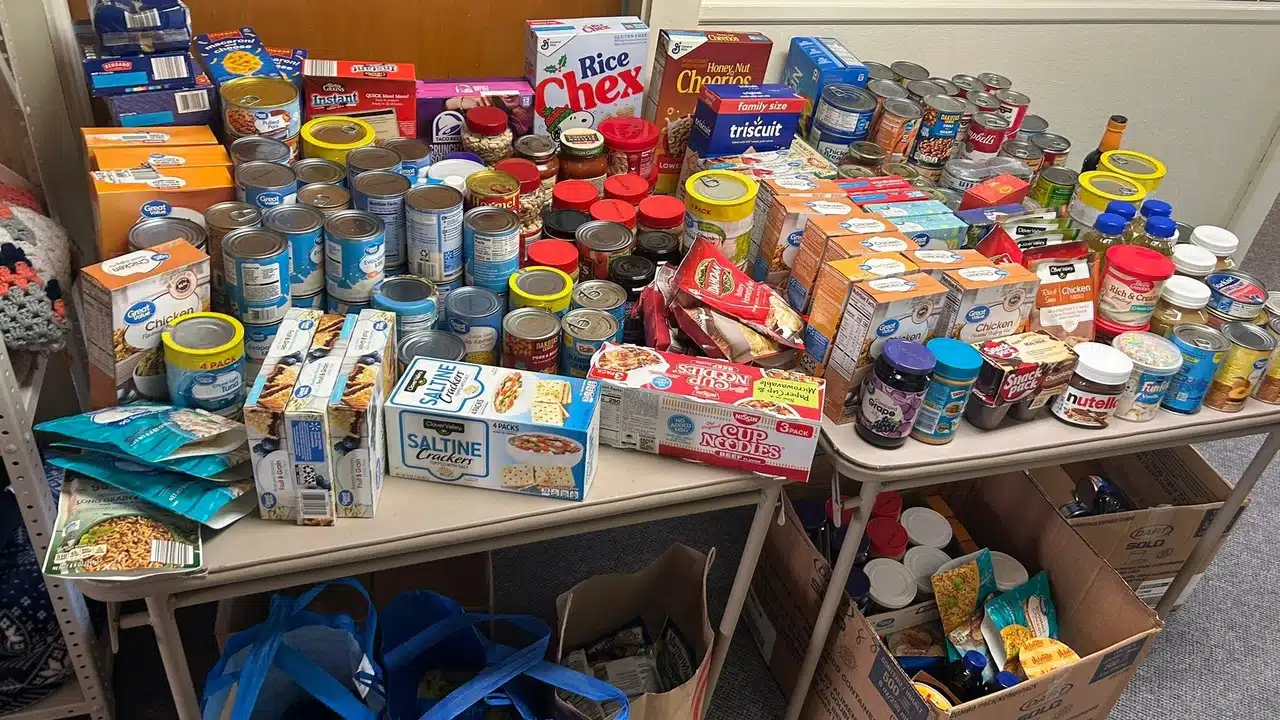
Three in 10 Black adults in the United States said there was a time in the previous year when they couldn’t afford the food they or their families needed, a Gallup survey found.
That compares with 24% of Hispanic adults, 14% of white adults and 10% of Asian adults. Across all U.S. adults, 18% reported coming up short at least once during the year before they were surveyed. Gallup said the national rate has held steady since 2023.

Food shortfalls were more common at lower incomes
Among adults in households earning less than $48,000 a year, 37% said they had run short of money for food. The share fell to 17% among those in households earning $48,000 to under $90,000 and to 11% among those earning $90,000 to under $120,000.
The rate dropped to 5% for adults in households earning $120,000 to under $180,000 and 4% for those earning $180,000 or more. Among Black, Hispanic and white adults, Gallup found that people in households earning under $90,000 were three to four times as likely to report a shortfall as people in their respective groups with household incomes of $90,000 or more.
Gallup pointed to differences in household income and wealth as possible reasons Black adults were more likely to report difficulty paying for food. Families with less savings have less room in their budgets when they lose a job, face a medical bill or have to pay for a car repair. Gallup also cited limited access to full-service grocery stores in some predominantly Black neighborhoods and medical expenses that can leave less money for food.
Hospitality and retail workers reported the highest rates
Among U.S. workers, 18% said they had been unable to afford the food they needed. The highest estimates among the industries Gallup reported were 30% for hospitality workers and 28% for retail workers. The shares were 9% in finance, 8% in technology, information systems and math, and 7% in government and public policy.
Gallup identified low hourly pay, fluctuating schedules and seasonal layoffs as possible contributors in hospitality and retail. It also pointed to part-time work, including workers who want more hours. The industry estimates typically had margins of sampling error of plus or minus 5 to 6 percentage points, leaving uncertainty about the two-point difference between hospitality and retail.
Where people lived mattered as well. Gallup reported that 24% of adults in much of the South had struggled to pay for food, compared with 10% in the Mountain Census Division.
How Gallup measured food affordability
Gallup surveyed 5,065 adults online from May 28 through June 5, 2026, as part of its National Health and Well-Being Index. The probability-based Gallup Panel includes adults in all 50 states and Washington, D.C.
The question asked whether respondents had experienced a time in the preceding 12 months when they lacked enough money to buy food they or their families needed. A single shortfall counted in the results. The responses give an estimate of how many adults faced that problem at least once during the year.
Gallup adjusted the results for differences between the people who responded and the national adult population by gender, age, race, Hispanic ethnicity, education and region. It reported a margin of sampling error of about plus or minus 3 percentage points for the Black adult and Census division estimates at the 95% confidence level, accounting for the survey design.
Make FL1 part of your day.
Local reporting. Useful updates. More ways to stay close to your community.
Go ad-free
Support independent local reporting and enjoy FL1 without display ads.
$4.99 / month
Become a member →Cancel anytime. Third-party media players may contain ads.Get the daily briefing
Start your morning with the headlines that matter across the Finger Lakes.
Find more FL1 on Google
Choose FingerLakes1.com as a preferred source to see more of our reporting in your Google news results.

FingerLakes1.com is the region’s leading all-digital news publication. The company was founded in 1998 and has been keeping residents informed for more than two decades. Have a lead? Send it to news@fingerlakes1.com.