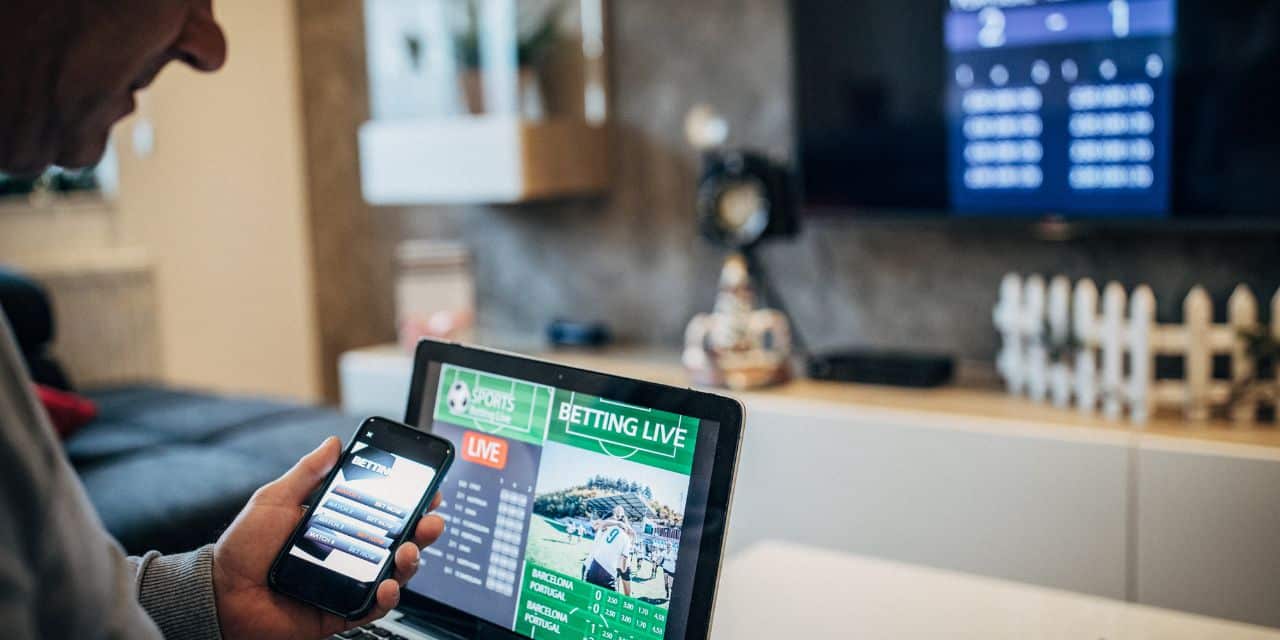
Traders on Kalshi and Polymarket exchanged contracts with a combined face value of about $2.7 billion tied to the 2026 U.S. midterm elections, according to a Pew Research Center analysis. About 70% of that volume centered on control of Congress or individual congressional races.
The Nov. 20 report uses trading data through Nov. 4, when some races remained uncalled and trading was still underway. Each contract counted as $1 in the analysis, regardless of the price a trader paid. The $2.7 billion measures trading at face value.

Senate contests drew some of the heaviest trading
Governor’s races drew nearly a quarter of the midterm volume, with other state and local contests and ballot measures accounting for most of the rest. About two-thirds of trading was on contracts that mentioned individual states, compared with 15% in the 2024 election cycle. Texas led individual Senate races in volume, followed by Michigan and Maine.
The midterm volume was about a third of the $8.5 billion Pew measured for the 2024 elections, when the presidential contest dominated trading. By the Nov. 4 cutoff, contracts on the 2028 presidential election, including questions about the parties’ nominees and the general election winner, had already drawn more than $3 billion.
The 2026 activity also differed from the previous year’s off-cycle elections. In 2025, the New York City mayoral race accounted for about three-quarters of election trading. Contracts that named eventual winner Zohran Mamdani drew more than a quarter of that year’s total election volume.
More markets, with most trading concentrated in a few
About 34,000 election markets recorded trades in the 2026 cycle, up from roughly 2,300 in 2024. Nearly half of those midterm markets registered less than $1,000 in face-value trading, compared with 4% in 2024. Just 1,087 markets accounted for 90% of midterm volume. Pew excluded markets with zero trades from those counts.
Both platforms promote election-contract prices as forecasts. A contract trading at 40 cents implies a 40% chance under the market’s pricing and pays $1 if the outcome occurs. Pew noted that relatively small trades can move prices in low-volume markets, a concern raised by critics who warn about manipulation and insider trading.
Pew found that 42% of the midterm volume was tied to races in states that prohibit election betting in at least some circumstances. That share measures trading tied to races in those states. Pew also reported that some states had warned that election contracts offered by prediction markets violate their laws.
Political trading looked different on the two platforms
Political trading increased on both platforms during midterm week, though sports accounted for most of their overall activity. From July 2024 through Nov. 4, 2026, Pew counted about $31 billion in political trading on Polymarket and $5.7 billion on Kalshi.
U.S. elections made up 72% of Kalshi’s political volume and 35% of Polymarket’s. Polymarket still recorded the larger dollar volume on U.S. elections over that period, about $11 billion compared with Kalshi’s $4.1 billion. Pew combined Polymarket’s U.S. and international operations in its figures.
Pew analyzed markets that The Block identified as political or election-related, using platform data to fill in missing market wording or creation dates. Researchers used an AI model to identify U.S. election contracts and classify them by election cycle and office. Pew reported 99% accuracy on a validation set of 500 markets coded by a trained reviewer.
Make FL1 part of your day.
Local reporting. Useful updates. More ways to stay close to your community.
Go ad-free
Support independent local reporting and enjoy FL1 without display ads.
$4.99 / month
Become a member →Cancel anytime. Third-party media players may contain ads.Get the daily briefing
Start your morning with the headlines that matter across the Finger Lakes.
Find more FL1 on Google
Choose FingerLakes1.com as a preferred source to see more of our reporting in your Google news results.

FingerLakes1.com is the region’s leading all-digital news publication. The company was founded in 1998 and has been keeping residents informed for more than two decades. Have a lead? Send it to news@fingerlakes1.com.