Radon cannot be seen or smelled, but testing a home or workplace can identify exposure to a gas that is the nation's second-leading cause of lung cancer, according to Rochester Regional Health.
The naturally occurring radioactive gas is found throughout New York, with levels varying across the Rochester, Finger Lakes and St. Lawrence regions. In Rochester Regional Health's guidance, oncologist and hematologist Dr. Zainub Ajmal explains why a test at the specific building is the way to determine exposure.

Radon forms in soil and rock and can move into buildings through cracks in foundations or concrete, exposed soil near sumps and gaps around water or gas pipes. Outdoors, it disperses and is generally present at much lower levels.
Living or working in a basement, moving into a home that has not been tested, or renovating a building in ways that change airflow can make testing particularly relevant. A regional risk designation cannot establish the radon level inside an individual house.
Exposure can affect people who never smoked
As radon breaks down, it produces tiny radioactive particles that can be inhaled and lodge along the airways. Radiation from those particles can damage lung-cell DNA over many years.
The risk depends on both the concentration and the length of exposure. A high reading calls for steps to reduce future exposure; it does not mean that a person has lung cancer.
The Environmental Protection Agency estimates about 21,000 U.S. lung cancer deaths each year are linked to radon, including about 2,900 among people who never smoked, according to the health system's account. Radon is the leading cause of lung cancer among people who have never smoked.
Smoking and radon exposure together create an especially high risk. Ajmal advises people who smoke to seek help quitting and to discuss their overall lung cancer risk with a primary care provider. Smoking history, family history and other factors also matter.
Some people with lung cancer have few or no symptoms. Possible symptoms include a worsening cough that does not go away, chest pain, shortness of breath or wheezing, coughing up blood and persistent fatigue. Symptoms alone cannot establish whether radon exposure has occurred.
Tests measure the air inside the building
Homeowners and business owners can buy test devices or hire qualified testing professionals. Devices are generally placed in the basement or lowest level of the building, following the test's instructions.
Short-term tests run for two to 90 days, while long-term tests run for more than 90 days. Results are reported in picocuries per liter of air, abbreviated pCi/L.
The health system advises considering a reduction system for readings between 2 and 4 pCi/L. For a short-term reading above 4, it recommends a second test and calculating the average; an elevated average or an elevated long-term result calls for professional mitigation. Results should be discussed with a qualified professional who can recommend the appropriate next step.
Rochester Regional Health says the New York State Department of Health offers home test kits for $12.25 through its online ordering process. A kit provides a way to measure the building's air instead of relying on a neighbor's result or the absence of a smell.
Reducing radon requires follow-up
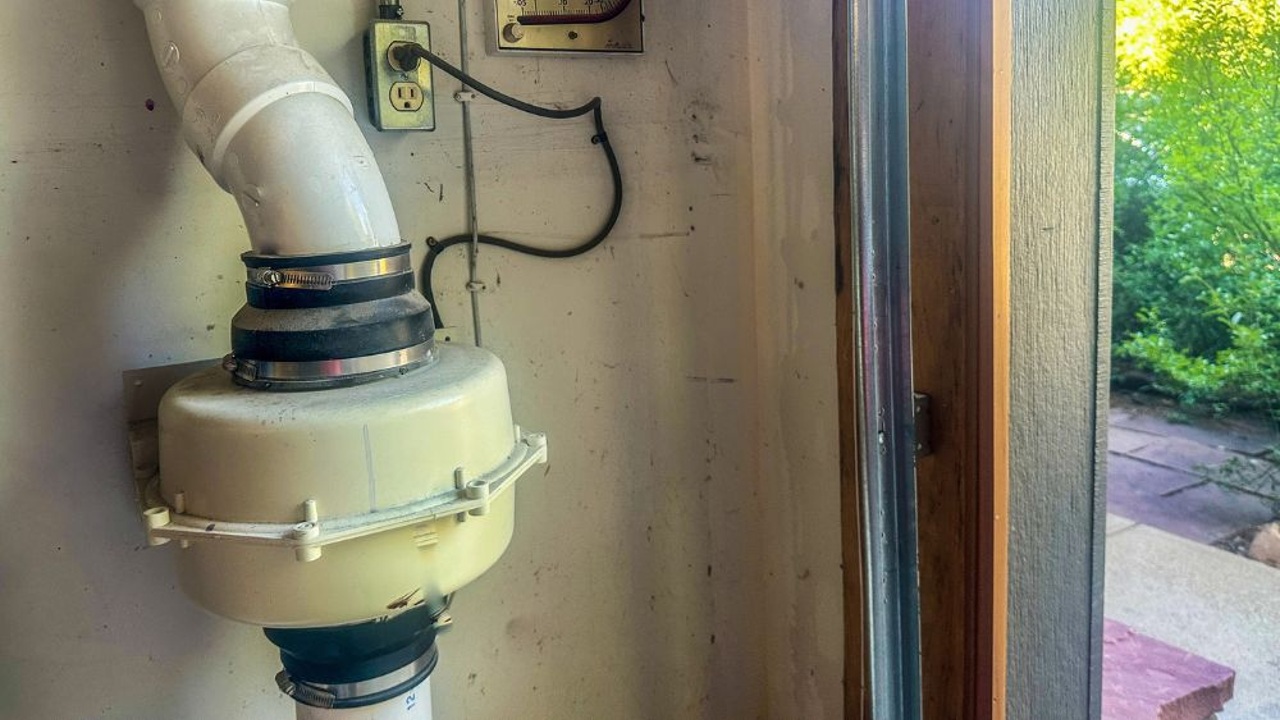
A radon reduction system can lower indoor concentrations. The health system cites an average installation cost of about $2,500 and says loans or grants may be available for people who qualify; the actual cost and assistance depend on the circumstances.
Test again after installation to confirm that levels have dropped. The guidance also recommends testing every few years and after major renovations, because building changes can alter airflow and radon's movement indoors.
A mitigation system's fan should remain operating. Turning it off or disconnecting it can undermine the system's protection, even when earlier tests showed improvement.
Ajmal recommends discussing exposure and overall lung cancer risk with a primary care provider. Testing and reducing radon address the building, while that conversation can address smoking cessation, symptoms and whether lung cancer screening is appropriate for the individual.

FingerLakes1.com is the region’s leading all-digital news publication. The company was founded in 1998 and has been keeping residents informed for more than two decades. Have a lead? Send it to news@fingerlakes1.com.