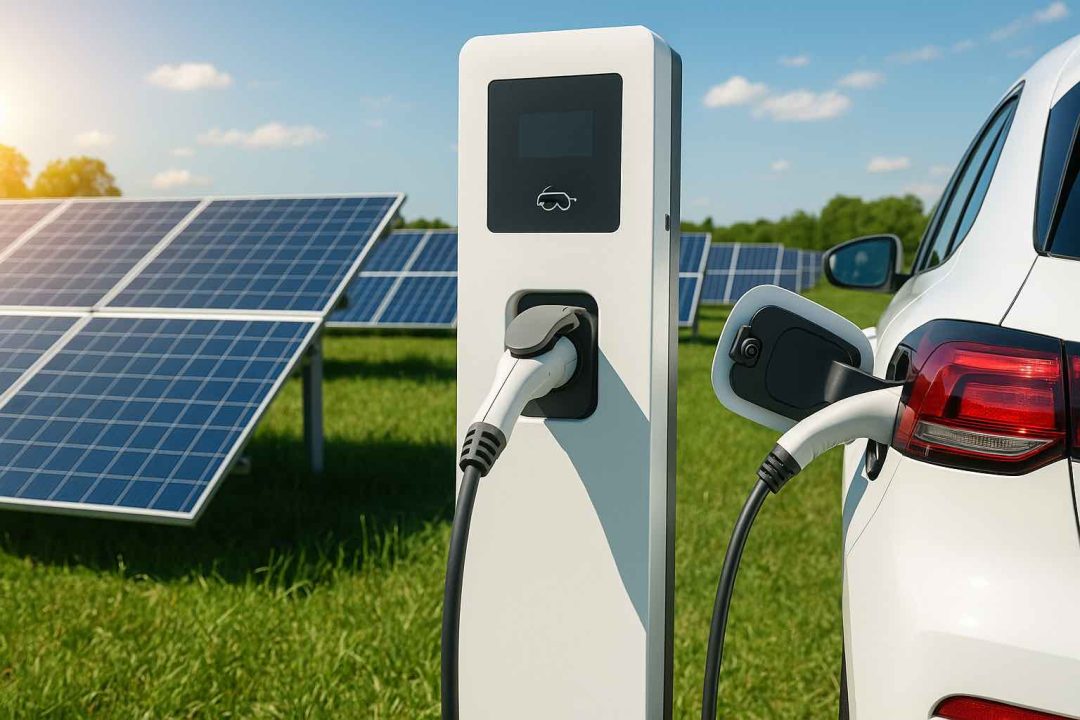
Public ownership of renewable power, municipal electricity purchasing and community efforts to take over utility infrastructure will be the focus of a Sustainable Finger Lakes webinar Nov. 11.
The Ithaca-based organization will host Future-Proofing the NY Grid — Part III from noon to 1:15 p.m. Wednesday as the conclusion of its three-part grid mini-series. Residents, community leaders, elected officials and municipal staff are invited; registration is required to receive the online access link.
Three speakers will examine different ways the public can own or purchase clean energy, from state-owned generation to cooperative neighborhood systems and publicly controlled distribution networks. The discussion follows earlier sessions on grid reliability and the technical and administrative hurdles facing new power connections.
Sustainable Finger Lakes says the series examines how the region can build a more reliable grid and secure predictable electricity supplies amid disruptions elsewhere. The final session will focus on who controls the power supply and the infrastructure that delivers it to homes and businesses.
State power projects and municipal purchasing
Michael Paulson, associate director of Sane Energy Project and co-chair of the Public Power NY coalition, will discuss the coalition effort behind the Build Public Renewables Act, passed in 2023.
The law directed the New York Power Authority to expand its generation portfolio beyond Niagara hydropower to solar and wind projects, according to the organization's announcement. Paulson's presentation will address progress on that effort, including 5.5 gigawatts of planned renewable generation and energy storage capacity. That figure describes planned capacity rather than electricity already being generated.
Paul Fenn of Local Power will explain Community Choice Aggregation, which lets municipalities purchase electricity in bulk for residents. His work has included renewable-energy purchasing systems in several states and cities, as well as the Sustainable Energy Utility being implemented in Ann Arbor, Michigan.
Sustainable Finger Lakes says the Ann Arbor approach helps residents install on-site solar panels and battery storage with no out-of-pocket expenses for homeowners. Fenn also has worked on community models that link electricity, heating and transportation with customer-owned renewable-energy systems.
His regional work includes efforts with the city and town of Ithaca to establish the Tompkins Green Energy Network. The cooperative approach would help groups of residents co-own clean energy sources, such as a shared geothermal system serving houses on a street, according to the announcement. Local Power is an approved Community Choice Aggregation administrator in New York.
Community control of the distribution grid
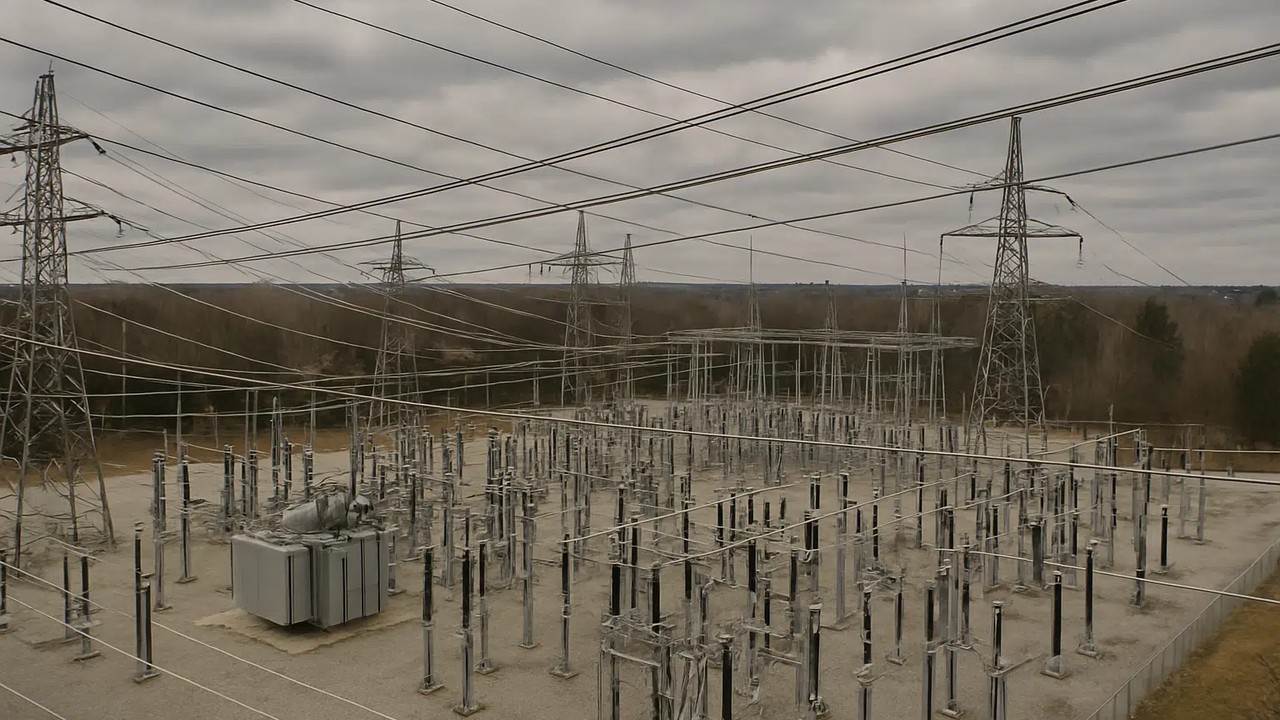
Carlton Huff, an organizer with Metro Justice in Rochester, will address efforts to put grid infrastructure under public control. His presentation will examine communities pursuing municipalization through utility buyouts or condemnation proceedings, with the Long Island Power Authority among the examples identified by organizers.
Huff joined Metro Justice as a volunteer with its Rochester for Energy Democracy campaign in 2023 and became the organization's organizer in 2026. His portion of the program will focus on ownership of the grid itself, alongside the other speakers' discussion of public ownership and purchasing of power supplies.
The program is part of Finger Lakes Forecast, a webinar series launched in 2022 that brings together regional experts, policymakers and community leaders to discuss climate change, adaptation and resilience.
Participants can register online to receive the webinar link. Sustainable Finger Lakes lists further program details on its event page.

FingerLakes1.com is the region’s leading all-digital news publication. The company was founded in 1998 and has been keeping residents informed for more than two decades. Have a lead? Send it to news@fingerlakes1.com.