Cornell is expanding shared laboratory services, artificial intelligence support and computing resources for life sciences researchers, with a new credit program offering up to $20,000 toward Biotechnology Resource Center services.
The changes follow a review of the center and feedback identifying more than 200 research needs across 24 departments and five colleges, according to the Cornell Chronicle.

The Biotechnology Resource Center, known as the BRC, provides specialized equipment and staff expertise through shared facilities within the Cornell Institute of Biotechnology. The new plan is intended to connect those resources with more than 600 research groups across five colleges, Weill Cornell Medicine and other university units.
Marcus Smolka, associate vice provost and interim director of the institute, is leading implementation with the core facility directors. He said the goal is a more coordinated approach in which researchers, facilities and university leadership identify needs and make investments together.
Vice Provost for Research Gary Koretzky commissioned the review. A cross-college committee conducted it from October 2025 through May 2026, working with facility leaders, college and department representatives, Research and Innovation leadership and researchers. A subsequent request for information generated more than 120 submissions.
Credits support new techniques and preliminary results
The BRC seed grant program has two tiers: up to $5,000 and up to $20,000 in credits. Applications for the 2027 cycle are due Dec. 4, and researchers are asked to contact facilities for quotes by Nov. 17. Later quote requests will be handled in order received, but facilities may not complete all of them.
The credits are intended to help researchers try unfamiliar technologies, generate preliminary results for outside funding applications or finish experiments for a publication. They are not cash awards and cannot be transferred to another laboratory.
Eligible principal investigators are Cornell faculty members or senior research associates who qualify to apply for outside research funding and maintain their appointments during the award period. The program covers Cornell campuses including Ithaca, Geneva, Weill Cornell Medicine, its Qatar campus and Cornell Tech; adjunct, visiting, courtesy and acting academic appointments are excluded.
An investigator may submit one proposal per cycle and receive one seed award in a 12-month period. Applications require aims, methods and proposed BRC services, expected outcomes and facility-generated budget quotes. The narrative limit is one page for the smaller tier and two for the larger tier.
Awards are expected by the end of January 2027, with credits to be spent by the end of December 2027. The number awarded depends on available funding and proposal merit. Charges depend on services actually performed, and investigators must cover costs above their award.
The program evaluates scientific importance, feasibility, potential impact, whether a technology is new to the investigator's work and the need for support to gain access. Cross-facility projects and work that could broaden BRC capabilities receive additional consideration.
Credits do not guarantee experimental success, equipment availability or a particular turnaround time. Awardees must acknowledge the support and will be asked about longer-term outcomes approximately two and five years later.
AI communities, computing and equipment
The BRC has launched a pilot Communities of Practice for AI-Enabled Research, or CoPAIR, focused on genomics, proteomics and metabolomics, imaging and structural biology. Researchers will share experiences, evaluate tools and develop practices others can use.
The work is being developed with Natalie Bazarova, associate vice provost, communication professor and member of Cornell's AI Strategy Council. Additional opportunities for other research fields are planned.
The Bioinformatics Facility has also implemented BioSlurm, a subscription-based computing cluster intended to make computational resources and AI-enabled data analysis more accessible.
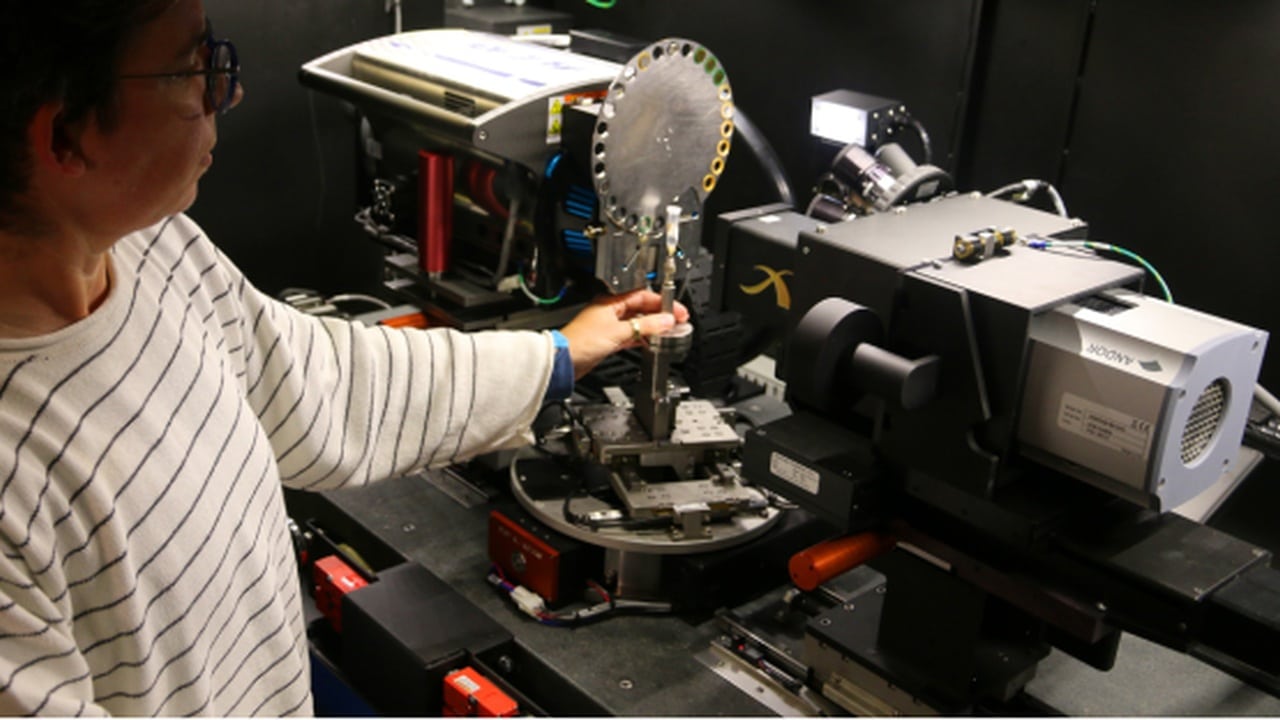
Equipment additions include an Orbitrap Astral mass spectrometer in the Proteomics and Metabolomics Facility and a light-sheet microscope in the Imaging Facility. A proposal for a spectral cell sorter has been submitted in response to a need identified in the researcher survey; that proposed purchase is separate from equipment already acquired.
The center is encouraging suggestions for additional National Institutes of Health S10 instrumentation proposals.
Shared lab and incoming leadership
A shared laboratory in development is expected to open early in 2027. It will offer equipment, training and protocols for sample preparation, including single-cell and spatial transcriptomics and proteomics, tissue preparation, and DNA, RNA and protein extraction.
Researchers with specialized expertise will be able to develop methods with BRC scientific staff. Smolka said the space is also intended to preserve knowledge that might otherwise leave with an individual researcher or postdoctoral scholar.
A task force is developing workshops, office hours and a more centralized way to seek help. A recent workshop on AI-assisted genome assembly attracted more than 100 participants, Smolka said, and a centralized events calendar lists training and engagement opportunities.
Jeremy Baskin will become director of the Cornell Institute of Biotechnology in January 2027, working with Smolka and BRC staff to implement the initiatives and respond to researcher needs.
Baskin is a chemistry and chemical biology professor in the College of Arts and Sciences and a member of the Weill Institute for Cell and Molecular Biology. His laboratory develops chemical tools to study how lipids regulate cellular communication and metabolism and how disruptions contribute to disease.
A Nancy and Peter Meinig Family Investigator in the Life Sciences, Baskin has received a Sloan Research Fellowship, National Science Foundation CAREER Award and Ono Pharma Breakthrough Science Initiative Award. He said his experience using BRC facilities will inform continued discussions with researchers about services and training.

FingerLakes1.com is the region’s leading all-digital news publication. The company was founded in 1998 and has been keeping residents informed for more than two decades. Have a lead? Send it to news@fingerlakes1.com.