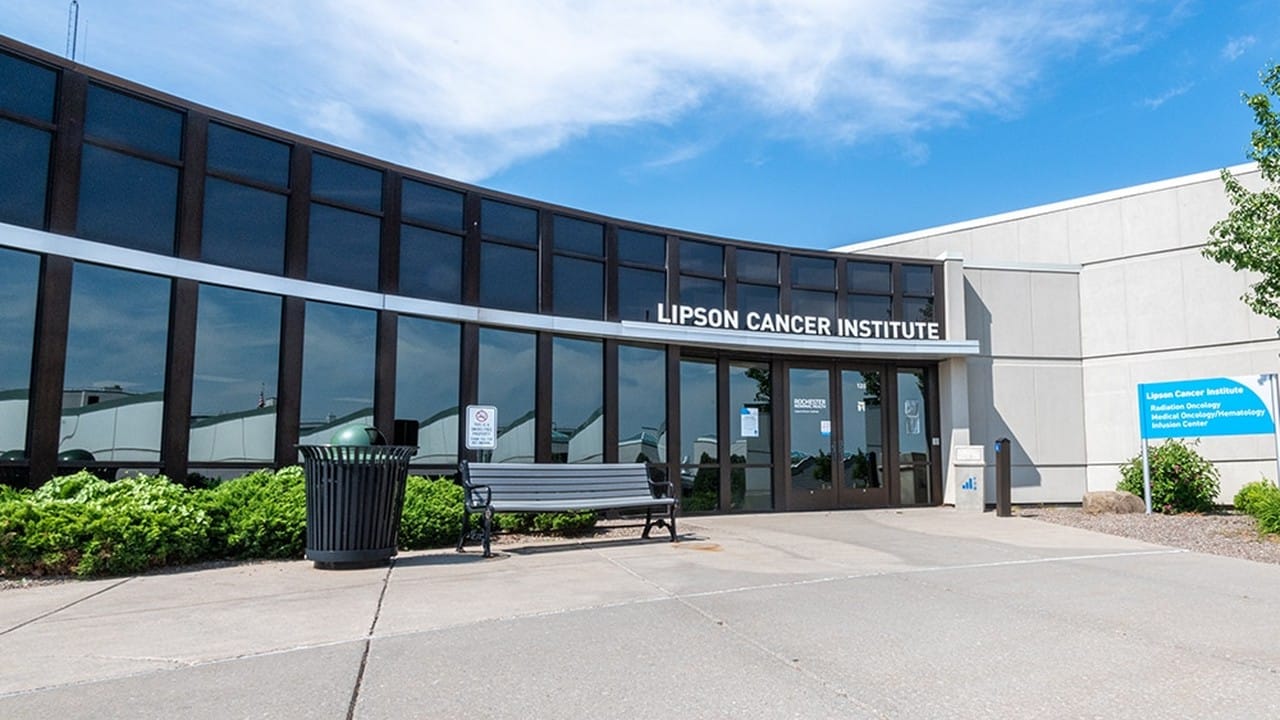
Exercise can help people undergoing cancer treatment manage fatigue and maintain strength, but the right activity depends on their diagnosis, treatment and medical condition, according to a Lipson Cancer Institute oncologist.
Sheema Chawla, a radiation oncologist and lifestyle medicine physician, encourages patients to work with their cancer care teams on a safe activity plan, Rochester Regional Health reported.

Staying active does not mean pushing through illness
Cancer care has moved away from routinely advising patients to rest as much as possible and toward encouraging safe movement, Chawla said. Excessive inactivity can reduce strength and conditioning.
That does not mean rest is unnecessary. Acute illness and significant treatment side effects can require it, and plans should account for blood counts, bone health, mobility and other medical conditions.
Walking, light resistance work and other manageable activities can help patients maintain the endurance needed for daily tasks. Activity can be adjusted around treatment and energy levels.
The National Cancer Institute’s evidence summary identifies support for aerobic and resistance exercise in reducing fatigue, anxiety and depressive symptoms and improving physical function during and after treatment.
Benefits are different from guarantees
Regular physical activity is associated with lower risks of several cancers, including breast, colon and endometrial cancers. Those associations do not mean exercise eliminates cancer risk or that a person caused their own illness.
“Exercise can lower risk; it can’t eliminate it,” Chawla said. “I think it’s important to say clearly that developing cancer is never someone’s fault.”
Exercise may also support recovery after surgery and help survivors manage lingering fatigue. It does not guarantee that cancer will not return, she said.
Start with a plan that fits the person
For survivors, American Cancer Society guidance sets a general goal of building toward 150-300 minutes of moderate activity or 75-150 minutes of vigorous activity weekly, with muscle strengthening at least twice a week. Patients in active treatment need individualized advice about what they can safely do.
Rochester Regional’s guidance lists walking, biking, swimming, resistance bands and programs such as LIVESTRONG at the YMCA among possible starting points.
“There is no perfect exercise plan — the goal is to keep moving in a way that feels safe and manageable,” Chawla said.

FingerLakes1.com is the region’s leading all-digital news publication. The company was founded in 1998 and has been keeping residents informed for more than two decades. Have a lead? Send it to news@fingerlakes1.com.