A Cornell University student who began a STEM education nonprofit at 13 has received a $25,000 grant to expand programs for young people in juvenile detention centers.
Emily Cho, a member of Cornell's Class of 2028, was selected as one of 10 L'Oreal Paris USA Women of Worth honorees for 2026. The recognition includes funding, mentorship and national visibility, according to Cornell.

Cho founded Juvie for STEM, also known as JSTEM, in northern New Jersey in 2019. The organization now has about 7,000 active volunteers working with 36 facilities in the United States and abroad, Cornell reported.
From tutoring to a wider program
Cho first traveled more than an hour to tutor adults in mathematics at a federal prison. She later began working at a juvenile facility, recruited friends and found local donors to build the nonprofit.
Its programs have provided opportunities for about 20,000 teenagers, according to Cornell. Activities include coding, data analysis, astrophysics and collaborative robotics. The organization has also expanded into therapeutic and reentry support.
Cho plans to use the grant to expand in Louisiana and develop software to measure the program's impact and follow students after they leave it.
One parent, Anna Shmarakova, described her son's experience at an Orange County, California, juvenile facility, where he helped code a robotic car that could avoid obstacles. He is now a mechanical engineering freshman at the University of California, Irvine, Cornell reported.
That account illustrates an individual participant's experience; the announcement did not present a controlled study measuring the program's effects on rehabilitation or college attendance.
Research alongside nonprofit work
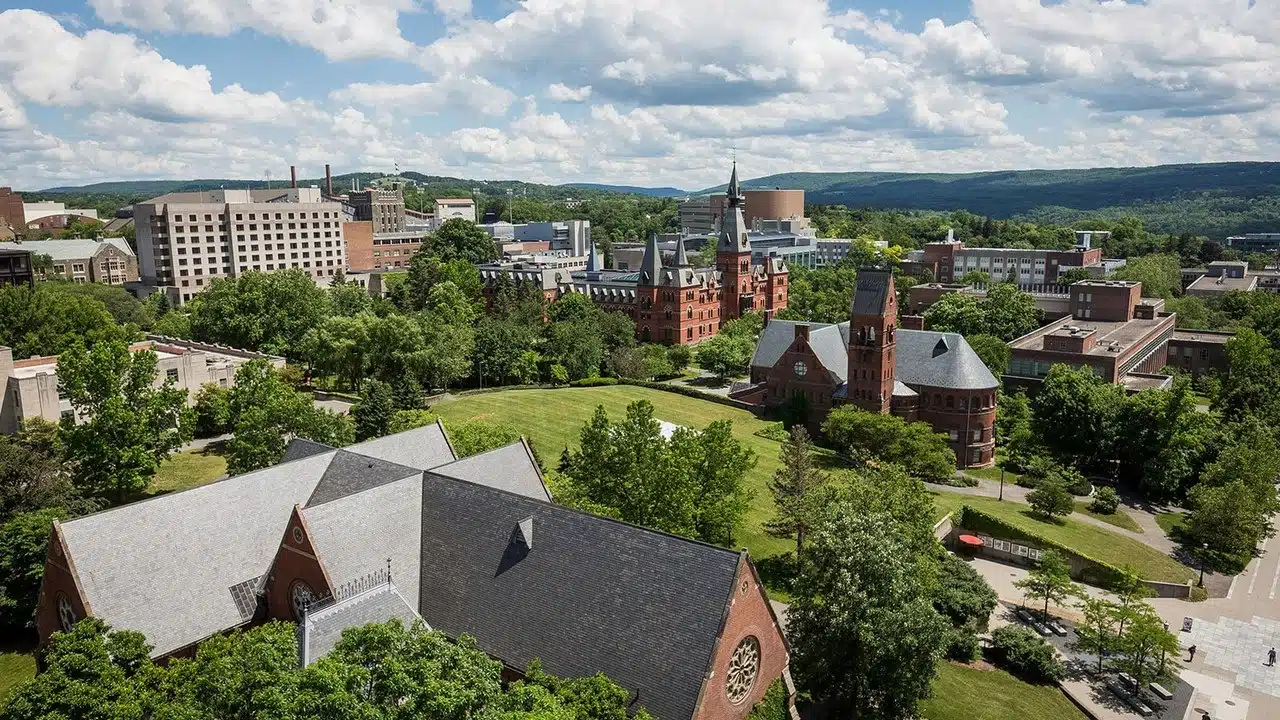
At Cornell in Ithaca, Cho studies information science, systems and technology through Cornell Bowers and the College of Engineering.
She also works in the Social Dynamics Lab on research into media exposure and political attitudes. The project uses survey data and graph retrieval in simulations. Researcher Shiyu Ji invited her to join and later made her a co-lead after she developed an improved coding approach, according to Cornell.
Cho has not settled on a career path. Her longer-term hope is that educational disparities will be addressed well enough that her nonprofit is no longer needed.

FingerLakes1.com is the region’s leading all-digital news publication. The company was founded in 1998 and has been keeping residents informed for more than two decades. Have a lead? Send it to news@fingerlakes1.com.