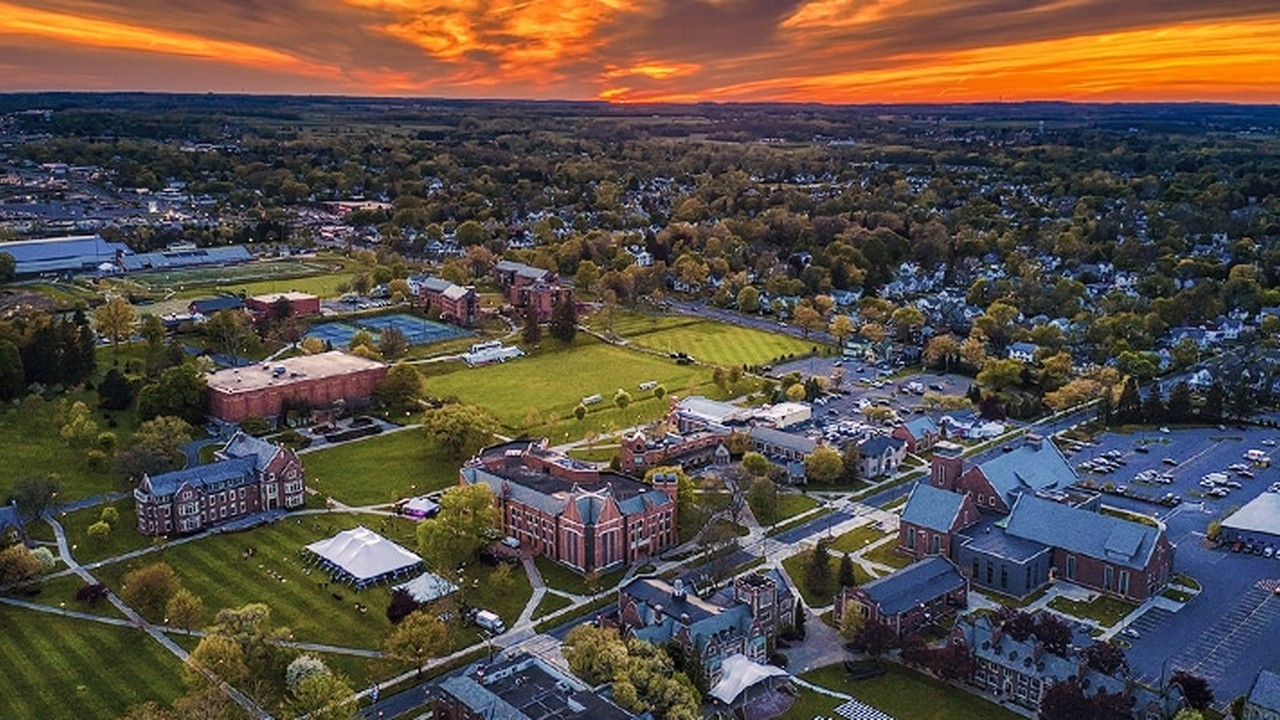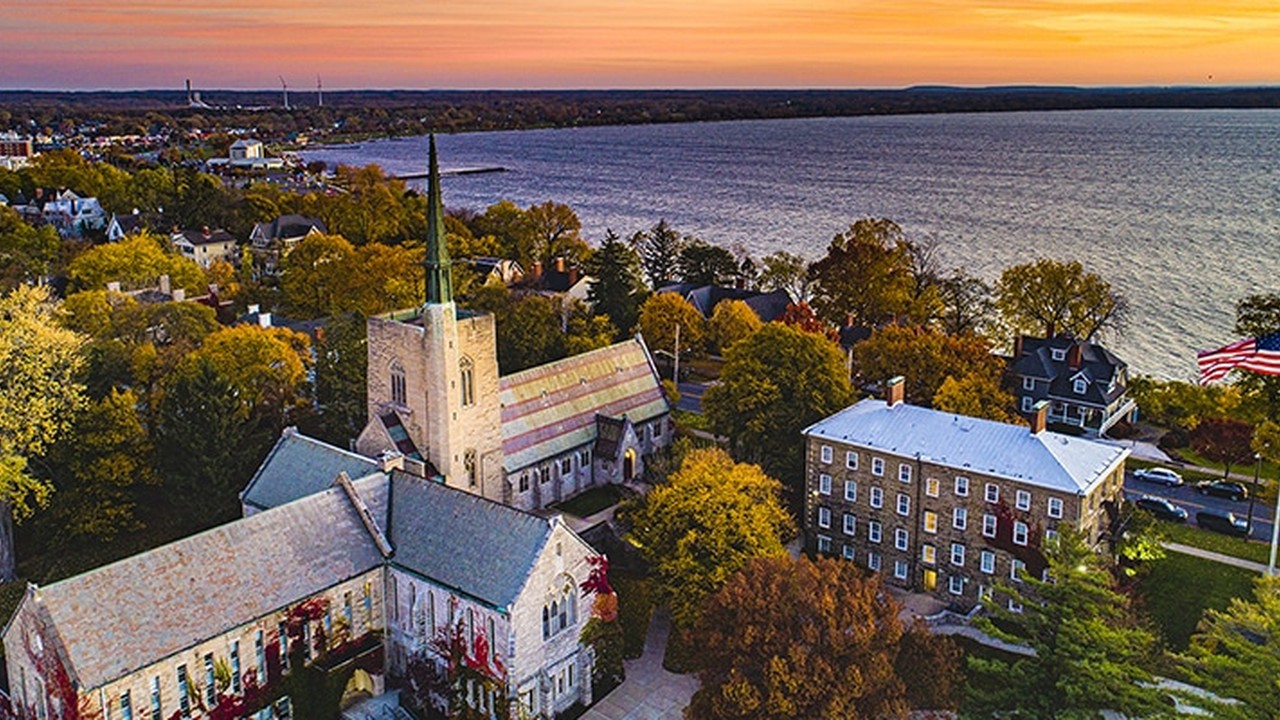
Hobart and William Smith Colleges psychology students examined mental health treatment, cultural bias and community services at a Syracuse conference, connecting classroom study with accounts from clinicians and people affected by mental illness. The students attended the National Alliance on Mental Illness Syracuse's annual education conference with professor Jamie Bodenlos, according to the college.
The conference brought together mental health professionals, organizations, individuals and families for presentations and discussions. Topics included emerging therapies, culturally responsive care and ways local groups connect people to support services.
Mantosh Dewan, president of Upstate Medical University, discussed psychiatry initiatives. Psychiatric mental health nurse practitioner Jerena Barkins addressed bias in health care, while counselor Dave Dunn examined psychedelic-assisted therapy.
Students connect research and practice
Bodenlos, who teaches the Introduction to Psychopathology course, said hearing from professionals and families gives students a fuller picture of disorders and treatment than textbook descriptions alone.
Psychological science major Dylan Ivanchikova-Crouse said information tables helped him understand mental health work in public and health services. He is interested in becoming a clinical social worker and said conversations about ketamine-assisted therapy added context to material covered in class.
Sofia Vesei, a psychological sciences major and biology minor, said presentations on emerging treatments and personal experiences showed how research may connect to practice. She also pointed to the importance of prevention and support programs in schools, workplaces and medical settings.
Vanessa Tarpy said discussions covered barriers to care and the effect of stigma on minority groups. Sayeeda Saidkariev focused on cultural differences and inequities in treatment; the college said she later received callbacks about potential volunteer opportunities with local organizations.

FingerLakes1.com is the region’s leading all-digital news publication. The company was founded in 1998 and has been keeping residents informed for more than two decades. Have a lead? Send it to news@fingerlakes1.com.