

Anyone who lives near Seneca or Keuka knows the shape of wine country. Cool water, sloped ground, a lot of small growers, and a road that bends with the shoreline. Portugal keeps a version of that in its far northwest corner. The region is the Minho, named for the river that forms the border with Spain.
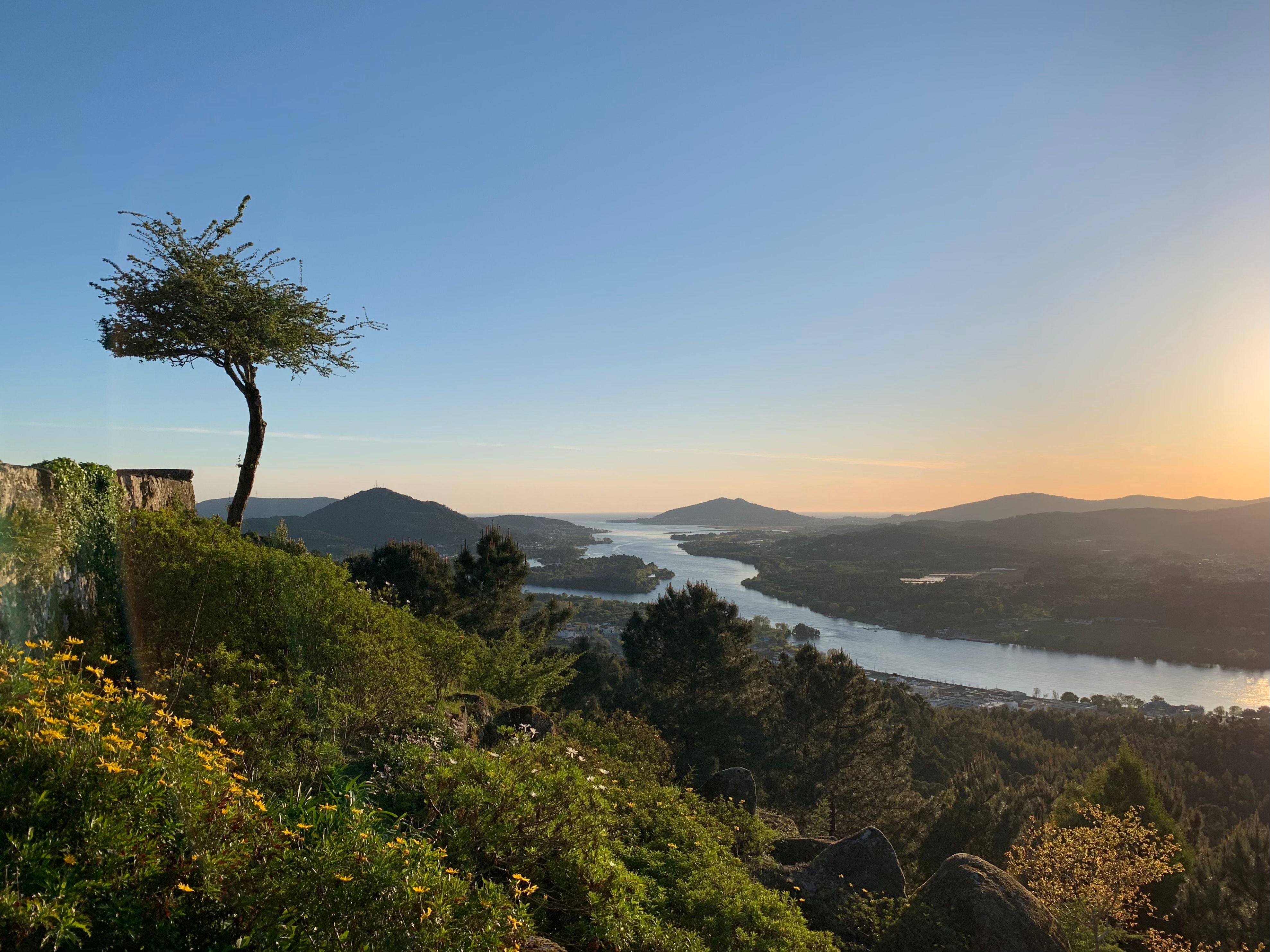
That corner is also where Vinho Verde comes from. Top Walking Tours Portugal runs an eight-day trip walking through the Minho region from Melgaco down to Ponte de Lima. The route totals 115 km and rates 2 out of 5 for difficulty. Bags move between hotels, so you carry a day pack. Guided and self-guided versions both run.
What Makes the Minho Familiar to a Finger Lakes Palate?
The parallel is not a marketing line. Portugal’s state wine institute lists Vinho Verde among the country’s 14 wine regions, and records its geographical indication under the name Minho. The region and the walk share a name in Portuguese law. Melgaco, Moncao, and Ponte de Lima all sit inside it, and all three are stops on this itinerary. You do not visit the wine region beside the trail, because the trail runs down the middle of it.
The deeper likeness is climate. Both places built their reputation on cool-climate white wine rather than big reds. Cornell runs a viticulture and enology program in Ithaca that is known for breeding grapes suited to cool growing regions. That expertise exists because damp, marginal ground is hard to farm well. The Minho faced the same problem and answered it with different grapes.
Where Does the Route Actually Go?
The walk opens in Melgaco, a stone village near the Spanish border, and ends a week later at Ponte de Lima. In between it follows two rivers and touches the Atlantic once. The daily stages run like this:
- Melgaco to Moncao, 18 km
- Moncao to Valenca, 20 km
- Valenca to Vila Nova de Cerveira, 16 km
- Vila Nova de Cerveira to Vila Praia de Ancora, 24 km
- Vila Praia de Ancora to Viana do Castelo, 20 km
- Viana do Castelo to Ponte de Lima, 20 km
The shape of the week is river, then coast, then river again. You trace the Minho west toward the sea, turn south along the Atlantic for two stages, then head inland up the Lima valley. Valenca holds a walled fortress above the border crossing.
Viana do Castelo sits where the Lima meets the ocean. Ponte de Lima keeps a Roman bridge that still carries foot traffic. The last day can also start with a transfer and a 17 km loop instead.
How Does the Walking Compare to a Finger Lakes Trail Day?
Much of the early route uses the Minho Ecopista, a disused railway line rebuilt for walking. That format will be familiar. The Catharine Valley Trail finished a two-year upgrade in August 2026 with new wayfinding signs and a multilingual app. An ecopista does the same job in Portuguese. A rail corridor has a gentle grade by design, so the footing stays kind on a 20 km day.
The elevation profile is the real difference. Only the first, second, and fourth days carry any climbing worth naming, and each tops out between 170 and 190 meters. Surfaces mix paved lanes with dirt track. A day on the Watkins Glen gorge trail packs its waterfalls into a short, steep loop. The Minho spreads a milder reward across five or six hours instead.
How Alvarinho Differs From Finger Lakes Riesling
This is where the comparison stops being flattering and starts being useful. Moncao and Melgaco are the home ground of Alvarinho, and the tour spends its first two days inside that pocket. Moncao keeps a museum devoted to the grape. The wine runs lighter in alcohol than a Finger Lakes Riesling and carries a faint spritz that reads as unfinished to some first-timers. Give it a meal and a week and the logic lands.
A few differences worth setting straight before you go:
- Vinho Verde is a place, not a style, and it covers red and rose as well as white.
- Alvarinho from Moncao and Melgaco is the region’s serious bottling, not the cheap summer pour.
- Table wine here is often poured with lamprey rice or roast lamb rather than tasted alone.
- Tasting rooms are rarer than in New York, so wine arrives with dinner instead.
Planning the Trip From the Finger Lakes
Porto is the gateway, and the tour lists Sa Carneiro as the closest airport. Transfers from the airport are part of the package, along with breakfast, luggage shuttling, a roadbook, and a GPS file for the route. Accommodation runs to four-star hotels, farms, and rural houses. The minimum age is 16.
A short checklist before you commit:
- Decide early between the guided and self-guided versions, as they price differently.
- Budget a night in Porto on either end, since the region sits well north of the city.
- Pack shoes broken in for pavement, not just soft trail.
- Expect rain, because the same Atlantic weather that makes the wine green makes the walking wet.
Frequently Asked Questions On Portugal’s Minho Route
What Is the Length of This Itinerary?
The itinerary runs eight days and seven nights. Six of those days involve walking, with arrival and departure days at each end. Stages fall between 16 and 24 km. The final day into Ponte de Lima offers a shorter loop option.
Do You Need to Speak Portuguese?
No, though a few words go a long way in the smaller villages. English is common in hotels and along the coast. Inland stops such as Melgaco are more rural. A translation app and a smile cover most situations.
Does the Route Join the Camino?
Not for most of the week. The route joins the Coastal Camino for the stretch between Vila Nova de Cerveira and Viana do Castelo. Before and after that, you follow rivers rather than pilgrim waymarks. The destination is Ponte de Lima, not Santiago.
When Is the Best Season to Walk It?
Late spring and early autumn suit the terrain best. Summer brings heat on the exposed riverside sections. Winter is green and quiet but genuinely wet. Shoulder seasons also line up with lighter prices.
Why the Minho Belongs On a Finger Lakes Shortlist
Wine travel usually means driving between tasting rooms. This trip inverts that. You cover the region at three miles an hour, past the vines rather than around them, and the glass at dinner comes from ground you crossed that morning. For anyone who already treats a lake road as a weekend plan, the Minho is the same instinct with a passport.

This content is brought to you by the FingerLakes1.com Team. Support our mission by visiting www.patreon.com/fl1 or learn how you send us your local content here.