Fishing the Finger Lakes is a great way to experience some of New York’s most productive freshwater fisheries. From largemouth and smallmouth bass to lake trout, walleye, perch, and other species, the region offers plenty of opportunities for anglers with different experience levels and fishing styles.
With so many lakes, species, and fishing techniques to choose from, however, there is no single setup that works perfectly for every situation. The right fishing gear depends on what you want to catch, where you plan to fish, and how you prefer to present your bait or lure.
Whether you are planning a weekend fishing trip or simply want to upgrade your current setup, the following guide can help you choose equipment that fits the Finger Lakes.
Start With the Fish You Want to Catch
Your target species should be one of the first things you consider when choosing fishing gear.
Bass anglers may need equipment that can handle a variety of lures and techniques, from soft plastics and jigs to crankbaits and topwater presentations. Smallmouth bass, in particular, can provide exciting action around rocky areas, points, and other structure.
Lake trout require a different approach. They are often found in deeper, cooler water, especially during warmer months, so anglers may need equipment with sufficient line capacity and a smooth, reliable drag. Walleye can also require different tackle depending on whether you are jigging, trolling, or fishing with live bait.
If you are primarily targeting panfish or smaller trout, lighter tackle can make the experience more enjoyable. Starting with your target species makes it much easier to narrow down the rest of your gear.
Choose a Rod and Reel Combination
For Finger Lakes fishing, a good rod-and-reel setup should match the species you target, the lures you use, and whether you are fishing from shore or a boat. Piscifun offers a broad range of fishing gear, including spinning reels, baitcasting reels, conventional and electric reels, as well as spinning and casting rods for different freshwater and saltwater applications. Its lineup also covers everything from lightweight freshwater setups to heavier gear for larger fish.
For the Finger Lakes, however, most anglers will likely get the most use from a lightweight or medium-power spinning setup. Spinning gear is versatile and easy to use, making it a practical choice for targeting bass, walleye, trout, perch, and other freshwater species. Piscifun’s Carbon Series offers lightweight, versatile options that are well suited to this type of freshwater fishing.
One standout option is the Piscifun Carbon R1 spinning rod. Designed around lightweight carbon construction and sensitivity, the Carbon R1 features an IM8 Toray carbon blank, a carbon-fiber integrated handle and reel seat, and Fuji Alconite guides. Piscifun says its carbon monocoque design reduces weight by 28% compared with comparable cork-handle configurations, while its SSR technology is designed to increase sensitivity and casting performance.
The Carbon R1 is available in several spinning configurations, including ultralight, medium-light, and medium options. A lighter model can work well for trout, panfish, and finesse presentations, while a medium-light or medium setup gives you more versatility when targeting bass and walleye.
For the reel, the Piscifun Carbon X is a natural match for anglers who want to keep the overall setup light. It is available in sizes from 500 through 4000, allowing anglers to choose a reel based on the rod and the size of fish they expect to encounter. The Carbon X and Carbon R1 are also offered together as a rod-and-reel combo, with multiple rod powers and reel sizes available.
For anglers who prefer a newer alternative, the Carbon X III is another lightweight spinning reel option and is also available in a Carbon R1 combo. Choosing a matched rod-and-reel setup can simplify the process for beginners while ensuring the two pieces are properly balanced.
The key is not to choose the most powerful setup available, but to build your gear around the type of fishing you actually plan to do. A balanced, lightweight setup can make long days on the Finger Lakes more comfortable while still giving you the control needed when a larger fish takes the bait.
Match Your Line to the Fishing Conditions
Your line is just as important as your rod and reel.
Monofilament is easy to handle and relatively forgiving, making it a good option for beginners. Fluorocarbon is popular when anglers want a less visible line and is often used for leaders or certain freshwater presentations.
Braided line offers high strength with a relatively small diameter and can be useful when fishing around cover or when increased sensitivity is important. It can also provide additional line capacity on appropriately sized reels.
The best choice depends on your fishing environment. If you are working around rocks, submerged vegetation, docks, or other structure, consider how easily your line can withstand abrasion. If you are fishing deeper water for lake trout or other larger species, line capacity and strength become increasingly important.
Pick Lures Based on Your Target Species
Once you know your target species and have chosen a basic rod, reel, and line combination, you can build your lure selection around the conditions.
Bass anglers may want a mixture of soft plastics, jigs, crankbaits, spinnerbaits, and topwater lures. Having several options allows you to adjust when fish change their feeding behavior.

For trout and lake trout, spoons, jigs, plugs, and trolling presentations can all have their place depending on the season and location. Walleye anglers may rely heavily on jigs and soft plastics, live bait, or trolling techniques.
You do not need to bring every lure in your tackle box on every trip. A smaller selection of proven presentations that match the species and conditions can make it easier to stay organized and change tactics when necessary.
Consider Shore Fishing vs. Boat Fishing
Where you fish in the Finger Lakes should also influence your equipment choices.
Shore anglers often need a versatile setup that can handle different casting distances and lure types. A spinning setup is particularly convenient because it is relatively easy to cast and can work well with lighter lures.

Boat anglers have access to deeper water, offshore structure, and areas that may be difficult to reach from shore. If you are fishing from a boat, bringing two or more setups can be useful. You can keep one rod ready for a lighter presentation and another rigged for larger lures or a different technique.
For anglers who spend long days on the water, reel weight can also become an important consideration. A lighter reel can make a noticeable difference when you are repeatedly casting throughout the day. Piscifun’s Carbon X series is designed with weight reduction in mind, with the Carbon X 2000 listed at 7.6 ounces and the newer Carbon X3 2000 at 5.6 ounces.
Think About Reel Size, Drag, and Gear Ratio
Choosing a reel is about more than deciding between spinning and baitcasting.
Reel size affects line capacity, overall weight, and how well the reel balances with your rod. Smaller reels can be useful for lighter freshwater applications, while larger sizes can provide additional capacity for bigger fish or deeper-water techniques.
The drag system is another important consideration. A smooth drag allows a fish to take line without putting excessive stress on the line or hooks. This can be particularly valuable when targeting stronger fish with lighter tackle.
Gear ratio affects how quickly the spool retrieves line. A faster ratio can be useful when you need to pick up slack quickly or retrieve certain lures at a faster pace, while a moderate ratio can provide more controlled retrieves.
Piscifun’s spinning reel lineup includes different sizes and retrieve options, giving anglers flexibility when building setups for different Finger Lakes species and techniques.
Adjust Your Gear to the Season
Fishing conditions change considerably throughout the year, and your gear choices may need to change with them.
Spring can bring fish into shallower water and create opportunities for anglers fishing around shorelines, rocky areas, and spawning habitat. As water temperatures rise during summer, some species may move into deeper or cooler water.
Fall can produce excellent fishing as many species become more active, while winter brings its own challenges and opportunities, including ice fishing on some Finger Lakes waters when conditions allow.
You may not need a completely different setup for every season. Instead, a versatile reel with several line and lure options can allow you to adjust without replacing your entire collection of equipment.
Bring the Right Supporting Gear
A successful fishing trip requires more than a rod and reel.
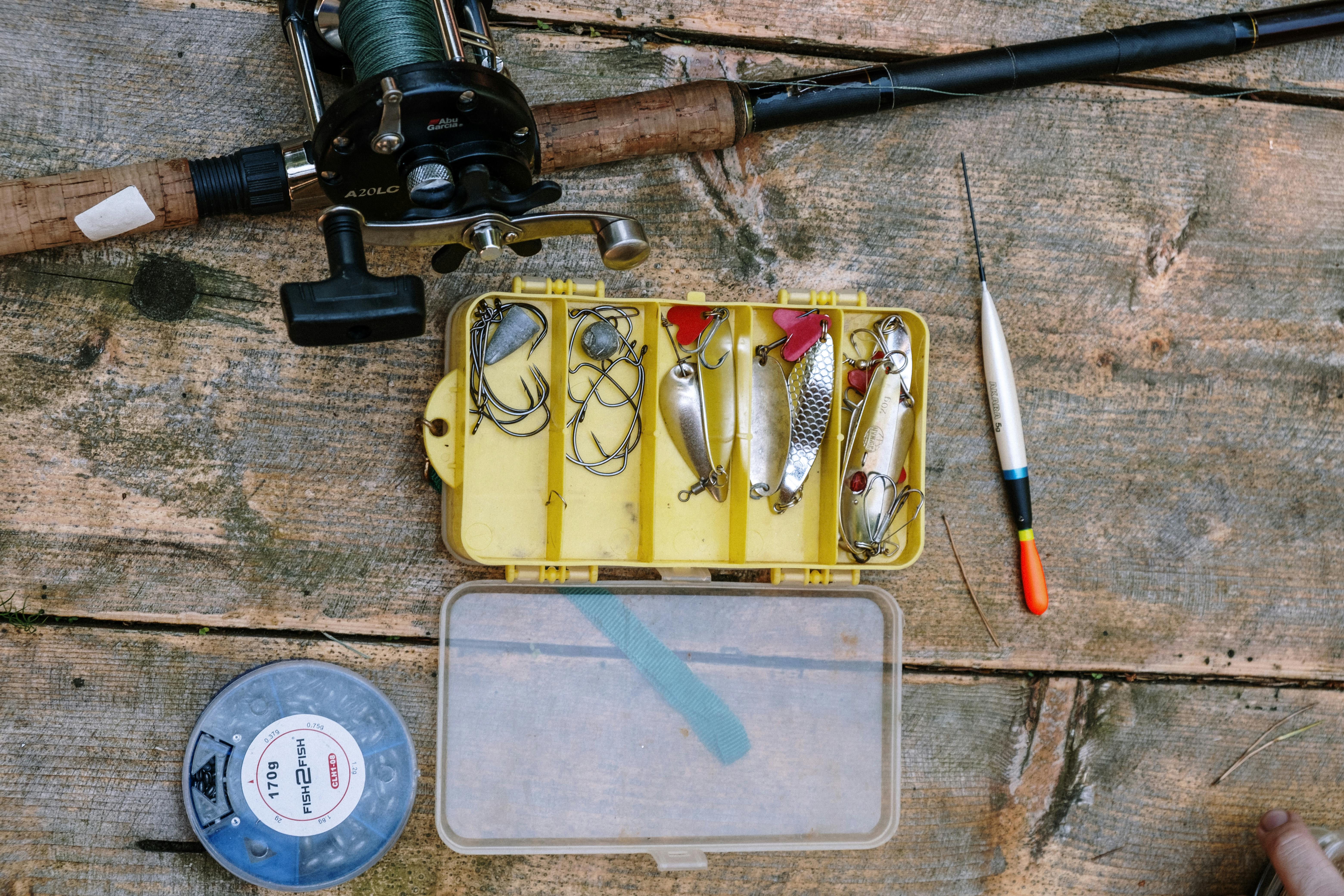
Keep extra hooks, weights, leaders, and lures in an organized tackle box. Fishing pliers and line cutters are useful when changing rigs or dealing with snags. A landing net can also be helpful when targeting larger fish from a boat or shoreline.
It is worth carrying a few backups of anything you rely on heavily. Losing a lure or breaking a leader should not end your day on the water.
If you are fishing from a boat, also think about organization. Keep frequently used tackle within easy reach while making sure loose equipment does not create unnecessary hazards around the boat.
Check Local Conditions Before You Go
Even the best fishing gear will not guarantee success if you ignore current conditions.
Before heading out, check the weather forecast, wind, water conditions, and recent fishing reports. Pay attention to water temperature and seasonal patterns when deciding where and how to fish.
Local regulations are equally important. Make sure you understand current fishing licenses, seasons, size limits, possession limits, and any special regulations that apply to the lake you plan to fish.
A little preparation can help you choose the right equipment before you leave home and avoid carrying unnecessary gear.
Build Your Setup Around the Way You Fish
The best fishing gear for the Finger Lakes is not necessarily the most expensive or specialized equipment. It is the equipment that matches your target species, fishing location, techniques, and experience level.
For a beginner, a versatile spinning setup can be an excellent place to start. A reel such as the Piscifun Carbon X or Viper X can provide different size options for building a freshwater setup around species ranging from smaller panfish and trout to bass and other larger freshwater targets.
As you spend more time fishing the Finger Lakes, you can add specialized setups for techniques and species you enjoy most. You may eventually want a lighter setup for finesse fishing, a more powerful combination for bass around cover, or a larger setup for deep-water species.

Instead of trying to prepare for every possible fishing situation at once, start with gear that fits the way you fish now. Then let your experience on the Finger Lakes determine what you add next.

This content is brought to you by the FingerLakes1.com Team. Support our mission by visiting www.patreon.com/fl1 or learn how you send us your local content here.