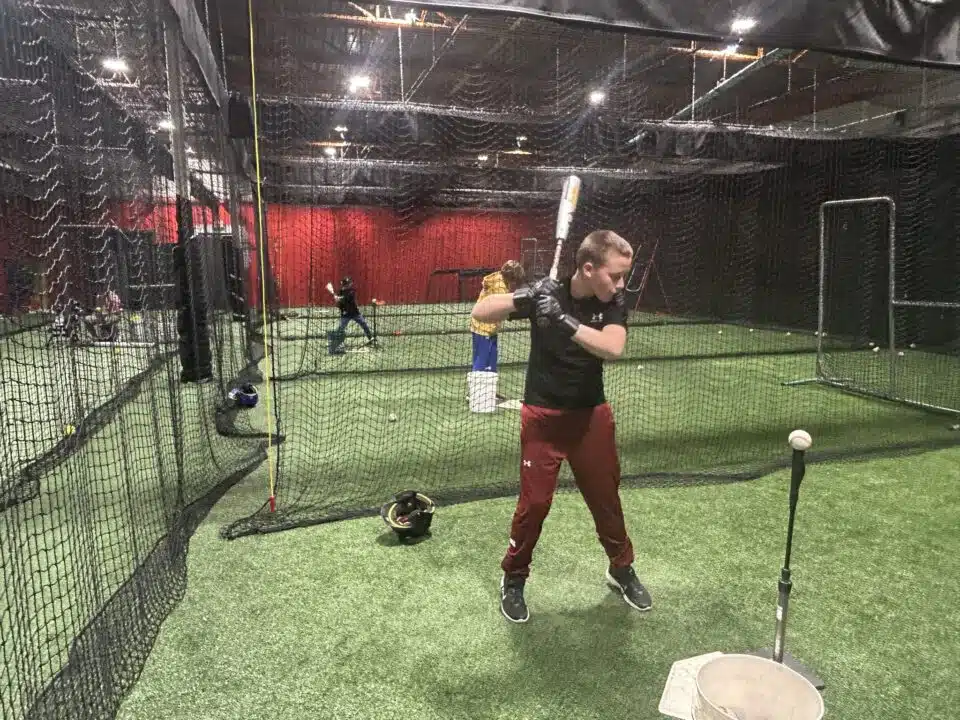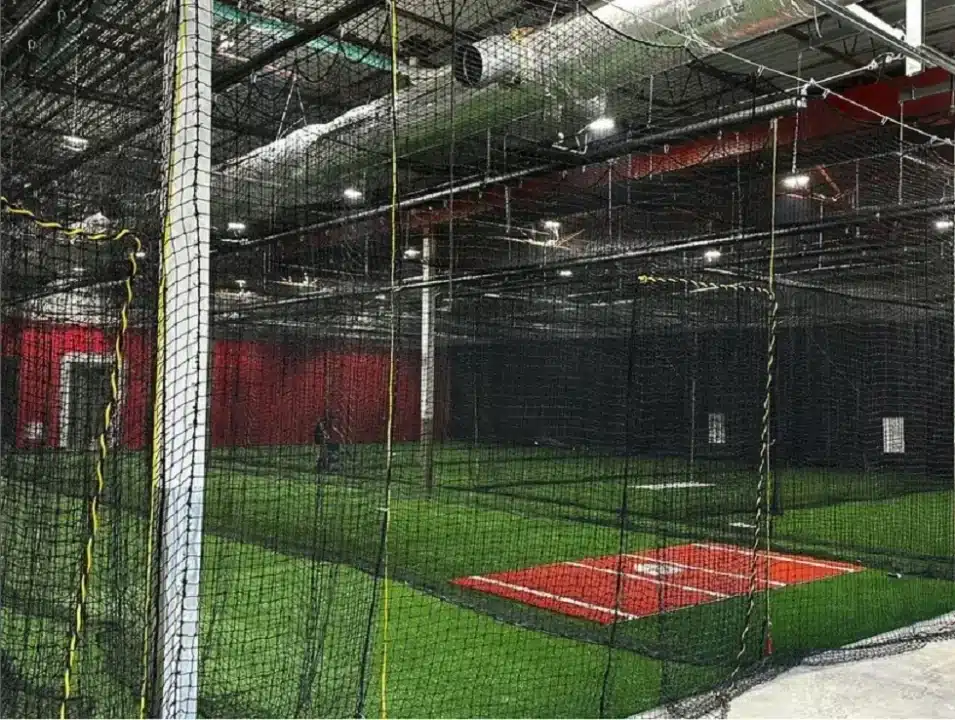
Finding time and space for baseball or softball practice can be harder than it sounds during the summer.
Public fields may be reserved for leagues. Backyard practice can be limited by space and safety concerns. Rain, extreme heat and poor field conditions can eliminate outdoor options altogether.
That is why indoor batting cages have become a practical training option for players and families across Canandaigua and the Finger Lakes.

Batting cages provide more than a place to take a few swings. Used correctly, they can help athletes work on timing, mechanics, confidence and preparation between games.
But players will get more value from a cage session when they arrive with a plan.
Decide what the session is supposed to accomplish
A productive batting cage visit should begin with a specific goal.
Some athletes need to work on making consistent contact. Others may be struggling with timing, balance or pitch location. More experienced players may want to prepare for a certain speed or type of pitching.
Without a goal, cage sessions can quickly turn into an attempt to hit every ball as hard as possible.
That may be entertaining, but it does not always translate into better performance during games.
Players should choose one or two areas of focus and build the session around them. A younger athlete might concentrate on staying balanced and watching the ball. An older player may work on driving pitches to different parts of the field.
Keeping the objective simple makes it easier to measure progress.
Do not skip the warmup
Athletes should not step into a cage and immediately begin taking full-speed swings.
A proper warmup helps prepare the shoulders, back, hips and legs for repetitive movement. It can also reduce the likelihood that the player begins the session with stiff or rushed mechanics.
A basic warmup may include light movement, arm circles, controlled practice swings and several easy repetitions before increasing intensity.
Players should also take short breaks during longer sessions.
Fatigue changes swing mechanics. Once an athlete becomes tired, additional swings may do more harm than good by reinforcing slower or less efficient movement.
Quality matters more than the number of swings
Parents sometimes judge a cage session by how many pitches their child sees.
That is not the best measurement.
Twenty focused swings with feedback and a clear objective may be more useful than 100 rushed swings. Players need enough time between pitches to reset, think about the previous repetition and prepare for the next one.
This is particularly important for younger athletes who are still learning basic movement patterns.
A good session should include moments when the athlete steps out of the box, makes an adjustment and returns with a specific idea in mind.
That process teaches players how to make corrections independently during games.
Choose an appropriate speed
Faster is not always better.
The pitching speed should challenge the hitter without making successful repetitions nearly impossible. When the speed is too high, young players may shorten their movement, pull away from the ball or begin guessing.
Those reactions can damage confidence and create habits that carry into competition.
Players should begin at a manageable speed and increase it only when they are consistently seeing the ball and maintaining their mechanics.
Softball players should also make sure the cage setup and pitching delivery fit the type of training they need. Baseball and softball swings share some fundamentals, but the timing and visual approach can be different.
Bring the right equipment
Players should bring a properly fitted helmet and a bat they can control comfortably.
A bat that is too long or heavy can make it difficult to maintain balance and reach pitches in different parts of the strike zone. Athletes should not select equipment based solely on what older teammates use or what appears most powerful.
Comfort, control and proper fit matter more.
Batting gloves are optional, although they may help prevent blisters during longer sessions. Players should also wear athletic shoes that provide secure footing.
Families should check facility rules before arriving, particularly regarding helmets, footwear, reservations and adult supervision.
Indoor cages offer a reliable summer option
Outdoor practice remains valuable, especially for defensive work and live-game situations.
Indoor cages serve a different purpose. They create a consistent environment where hitters can focus on repetition without chasing balls, waiting for field space or changing plans because of the weather.
Practice Time Sports, located at 76 West Ave. in Canandaigua, offers indoor training space for baseball and softball players from throughout the Finger Lakes.
The facility also provides instruction, camps and clinics for athletes with different experience levels.
For families looking for batting cages near Canandaigua, the biggest advantage may be convenience. Players can fit focused training between games, vacations and other summer commitments without needing to organize an entire team practice.
A cage session will not solve every problem immediately.
But with an appropriate speed, a manageable workload and a clear objective, it can give athletes the focused repetitions that are often difficult to find during a busy season.

FingerLakes1.com is the region’s leading all-digital news publication. The company was founded in 1998 and has been keeping residents informed for more than two decades. Have a lead? Send it to news@fingerlakes1.com.