For years, youth sports culture pushed athletes toward specialization earlier and earlier.
Kids were told they needed to focus on one sport year-round to stay competitive. More travel teams formed. More offseason leagues appeared. More pressure followed.
But across the Finger Lakes, many families are starting to move in the opposite direction.
Parents, coaches, and trainers in communities like Canandaigua, Geneva, Victor, and Fairport are increasingly encouraging young athletes to play multiple sports instead of specializing too early.

The reason is simple: better overall athletic development.
“Kids develop differently,” Practice Time Sports owner Chris Harris said. “The more ways they move, compete, and challenge themselves, the more confidence and coordination they build over time.”
That shift reflects a growing belief throughout youth athletics that variety may actually help athletes more than hyper-specialization during younger developmental years.
Instead of playing the same sport 12 months a year, many athletes are rotating between baseball, softball, soccer, basketball, lacrosse, volleyball, and other activities depending on the season.
The benefits go beyond simply avoiding boredom.
Different sports develop different movement patterns, reactions, and athletic skills:
- Soccer improves footwork and endurance
- Basketball develops agility and body control
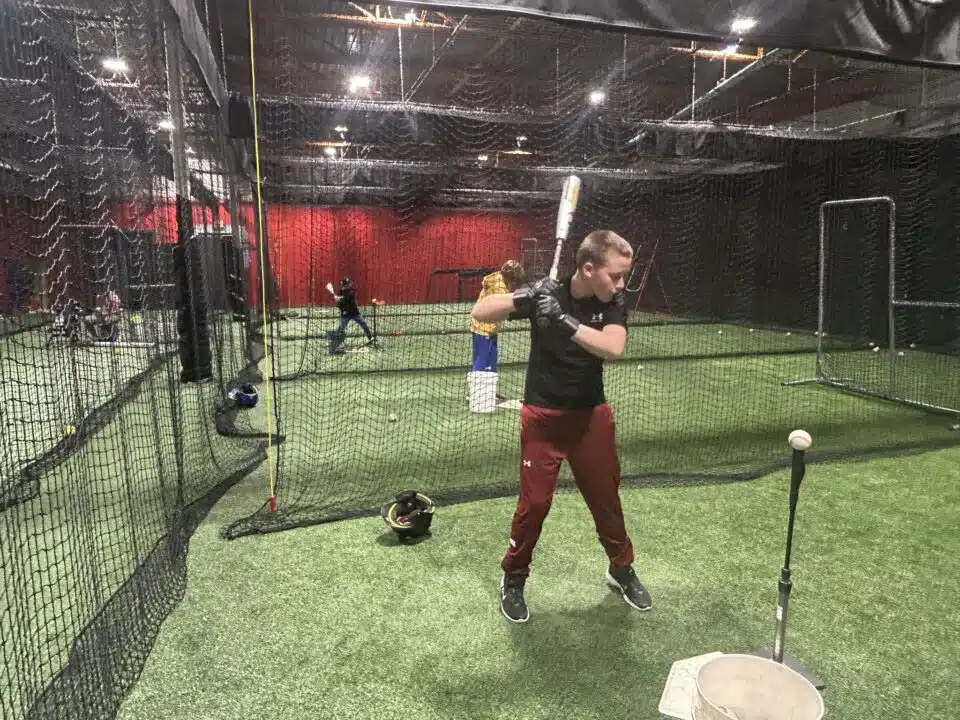
- Baseball and softball emphasize hand-eye coordination
- Lacrosse builds reaction speed and spatial awareness
Together, those experiences often create more balanced athletes.
The approach may also help reduce some of the burnout and overuse injuries increasingly associated with year-round specialization in a single sport.
Previous reporting on youth athlete development in the Finger Lakes has shown growing concern around injury prevention, offseason balance, and maintaining long-term engagement in sports.
That conversation has become more common as parents watch athletes face increasing pressure at younger ages.
Instead of constant repetition in a single sport, many families now view multi-sport participation as a healthier long-term path—particularly for elementary and middle school athletes.
The trend is also changing how training facilities operate.
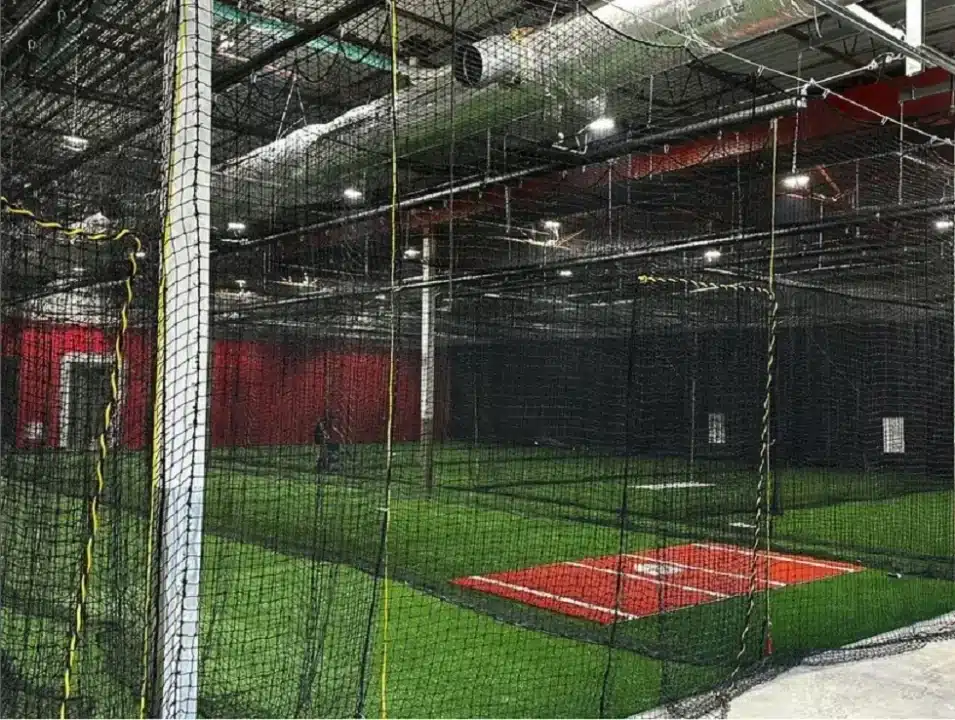
Rather than focusing only on one sport, indoor facilities increasingly provide flexible turf space and open environments that can support a wider range of athletic development.

At Practice Time Sports in Canandaigua, that flexibility has become part of the facility’s broader approach to camps, clinics, and training.
Summer camps, for example, intentionally expose kids to multiple sports and activities instead of locking them into a single focus area.
“Each week introduces a variety of sports and games, giving children the chance to try something new or build skills in activities they already enjoy,” Harris said.
That exposure matters because younger athletes often discover interests and strengths they otherwise may never explore.
The rise of indoor training facilities throughout Upstate New York has also made multi-sport participation easier logistically. Previous reporting on indoor sports development in the Finger Lakes has shown that year-round indoor access helps athletes stay active consistently regardless of weather conditions.
That consistency allows athletes to move between sports seasons more naturally without long periods of inactivity.
For many families, the goal is no longer creating year-round specialists at age 10 or 11.
It’s building adaptable, confident athletes who continue enjoying sports long-term.
And increasingly, many parents across the Finger Lakes believe variety—not specialization—is the better way to get there.

FingerLakes1.com is the region’s leading all-digital news publication. The company was founded in 1998 and has been keeping residents informed for more than two decades. Have a lead? Send it to news@fingerlakes1.com.