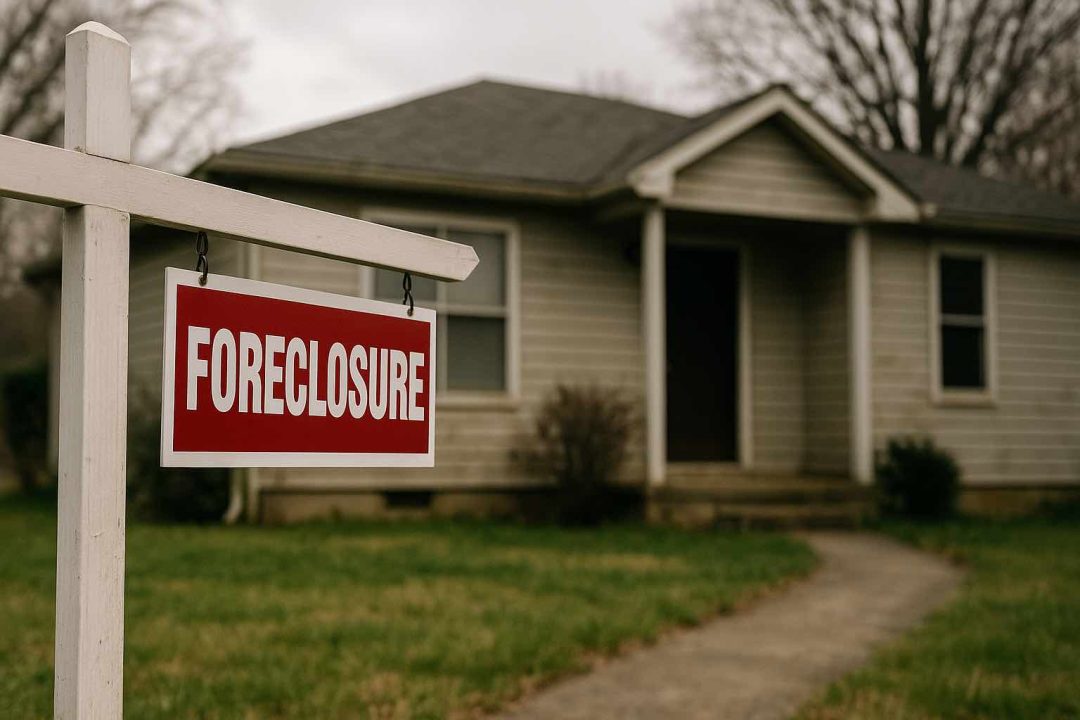
Charleston, South Carolina, has long been one of the most desirable cities on the East Coast. But over the past few years, something notable has shifted beyond just out-of-state buyers arriving with big budgets. Longtime residents and newer transplants alike are relocating within the city itself, swapping one neighborhood for another as Charleston’s real estate market trends reshape where and how people choose to live.
What the Numbers Are Telling Us
The Charleston housing market in 2024 continues to reflect a city in high demand. Home values in many established neighborhoods remain elevated relative to pre-pandemic baselines, and inventory, while slightly improved from historic lows, remains relatively tight.
According to regional market data, median home prices in the greater Charleston area have stayed well above national averages, putting pressure on first-time buyers and encouraging existing homeowners to cash in on the equity they have built over the past several years.
Charleston, South Carolina, home prices vary significantly by neighborhood. Areas like Mount Pleasant and James Island have seen sustained appreciation, while up-and-coming corridors in North Charleston and West Ashley are attracting buyers looking for more space at a lower entry point. This price variation across ZIP codes is one of the key forces pushing local moves in Charleston, SC.
Why Residents Are Staying in Charleston but Changing Addresses
It might seem counterintuitive. If housing costs are high, why would someone move within the same metro area rather than leave altogether? The answer lies in what Charleston offers that few other cities can match: a combination of coastal lifestyle, strong job growth, a thriving food and arts scene, and a relatively mild climate. People want to stay in Charleston; they just want to find the right corner of it.
Several patterns have emerged among those moving within Charleston neighborhoods:
- Downsizing after equity gains: Homeowners who purchased years ago have watched their property values climb. Many are selling larger homes and moving into smaller, lower-maintenance properties while pocketing the difference.
- Remote work flexibility: With commuting no longer a daily requirement for many professionals, residents are prioritizing neighborhood feel over proximity to an office. Areas once considered too far from downtown are now genuinely appealing.
- School district considerations: Families continue to relocate based on access to specific public or charter schools, a factor that has long driven intra-city moves in Charleston.
- Lifestyle alignment: Whether someone wants walkability, waterfront access, a quieter suburban feel, or proximity to local restaurants and nightlife, Charleston has distinct neighborhoods that cater to very different preferences.
Neighborhoods Seeing the Most Activity
Moving within Charleston neighborhoods is not random. Certain areas are consistently seeing high turnover and new arrivals. West Ashley has gained significant attention as buyers seek larger lots and older homes at prices below those commanded by James Island or downtown Charleston.
Meanwhile, Park Circle in North Charleston has evolved into a genuinely desirable destination, particularly for younger buyers and renters who want character and community without a premium price tag.

John’s Island is another area drawing interest from those who want more rural surroundings without leaving the Charleston metro. The tradeoff is a longer drive to certain amenities, but for many families and remote workers, that is an acceptable compromise.
Downtown Charleston and the peninsula remain aspirational for many, but the price barrier keeps the market competitive and turnover relatively limited. When properties do come available, they tend to move quickly and attract strong offers.
What This Means for People Planning a Local Move
If you are considering a move within the Charleston area, a few practical considerations are worth keeping in mind. First, research the full cost of your target neighborhood, not just the purchase price or rent. Property taxes, flood insurance, and HOA fees can vary considerably from one part of the metro to another.
Second, think carefully about timing. Demand in Charleston tends to pick up in spring and early summer, which can create more competition and higher prices. Moving during the late fall or winter months may give buyers and renters slightly more leverage.
Third, logistics matter more than people often expect. Working with experienced local movers who know the Charleston area can make a significant difference, especially in neighborhoods with narrow streets, limited parking, or strict homeowners’ association rules. Professional movers familiar with the city’s layout, traffic patterns, and building regulations can help you avoid delays, protect your belongings, and streamline the entire process.
The Bigger Picture: Charleston’s Ongoing Appeal
Ultimately, the wave of local moves within Charleston underscores a deeper reality: people are committed to staying in the region, even as prices and preferences shift. Rather than leaving the area, many residents are simply fine-tuning their location to better match their lifestyle, budget, and long-term goals.
As Charleston continues to grow and evolve, its neighborhoods will keep transforming, and local moves will remain a key part of that story. Whether you are downsizing, seeking more space, or just searching for a new neighborhood that feels like home, understanding the market dynamics—and planning your move carefully—can help you make the most of what this coastal city has to offer.

This content is brought to you by the FingerLakes1.com Team. Support our mission by visiting www.patreon.com/fl1 or learn how you send us your local content here.