Social media has turned into a running highlight reel of daily life. People post photos from parties, share quick stories about nights out, upload videos with friends, and check in at restaurants or bars without thinking twice. For most people, those posts feel harmless. They are just updates meant for friends and family.
Things start to look very different once a DUI charge enters the picture. Posts that seemed casual at the time can suddenly become part of a legal conversation. Prosecutors, investigators, and courts may look at social media activity while reviewing a case. A photo, a comment, or a tagged location might raise questions about what happened before or after a traffic stop.
The tricky part is that social media rarely shows the full story. A single photo might capture a moment that looks one way online while the reality was something completely different. If you or someone you love is facing DUI charges, an experienced Miami criminal defense attorney can guide you about the steps to protect your interests and vigorously defend your rights and freedom.
Social Media Attracts Attention in DUI Investigations
DUI cases revolve around evidence. Law enforcement officers collect information during a traffic stop, prosecutors review reports and test results, and both sides try to build a timeline of events. Social media can sometimes add another piece to that puzzle.
Posts made before or after an arrest may give clues about where someone was, who they were with, or what they were doing earlier in the evening. Investigators pay attention to that type of information when building a case.
Tracking the Timeline of the Night
Social media timestamps can show when a photo or video was posted. That timing might help investigators understand how the evening unfolded. A photo uploaded from a bar earlier in the night could be used to argue that someone had been drinking before getting behind the wheel. Even a simple story update might become part of that timeline.
Looking at Location Tags
Location tags provide another detail investigators examine. Check ins at restaurants, clubs, or events can suggest where someone spent time before the traffic stop happened. While that detail alone does not prove impairment, it may still attract attention during an investigation.

Reviewing Public Profiles
Public social media accounts are particularly easy to review. Photos, comments, and posts may be visible without much effort. Even accounts with stricter privacy settings can still become relevant later during the legal process, particularly once attorneys begin gathering evidence connected to the case.
Posts That Can Raise Questions in a DUI Case
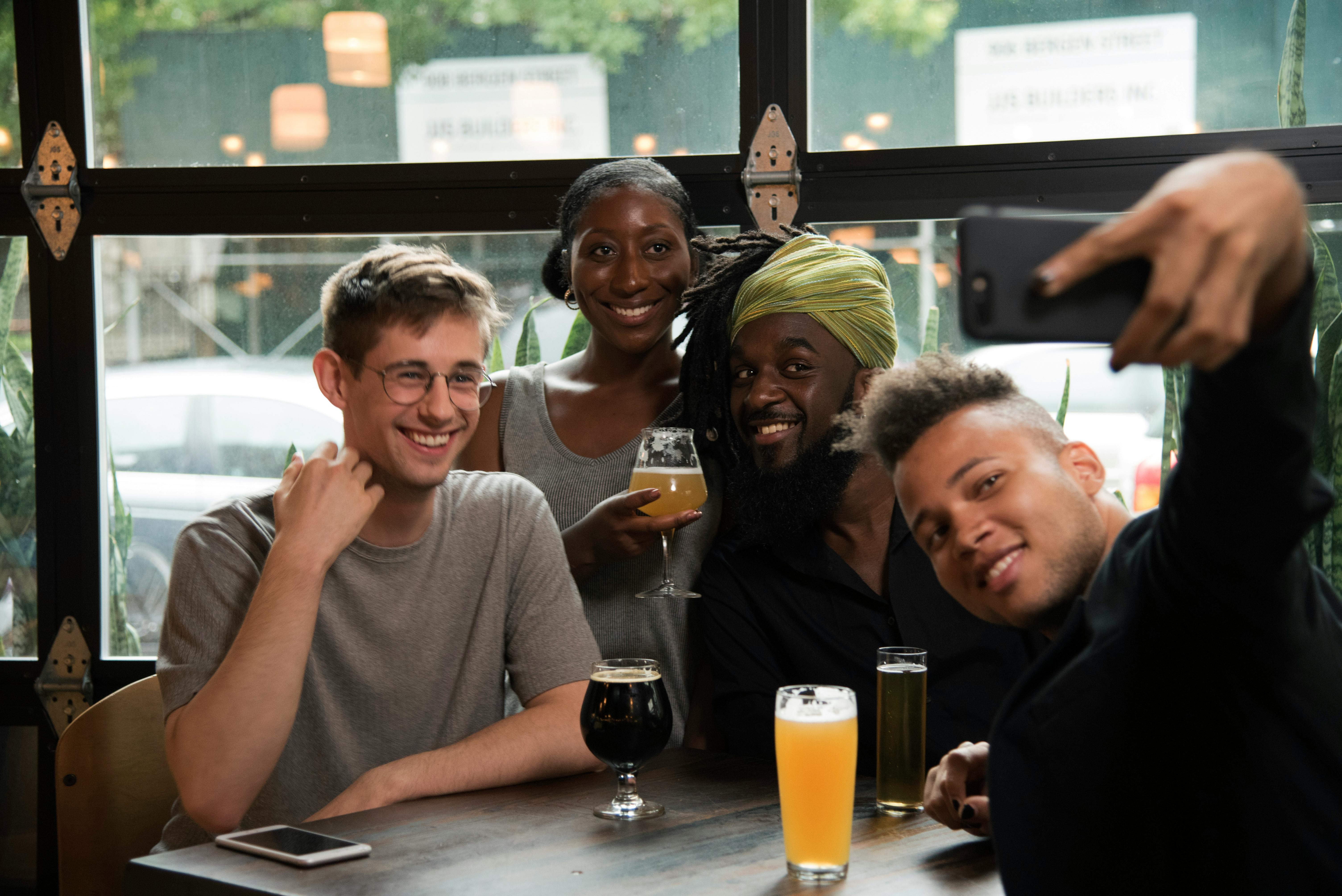
Many people think about obvious posts like videos showing someone drinking. The reality is that other types of posts can also raise questions once a DUI charge enters the conversation. Social media tends to highlight fun moments. People celebrate birthdays, concerts, nights out, and weekend gatherings online. Those same posts can suddenly take on a different meaning in the context of a criminal case.
Here are some examples of social media activity that might attract attention.
- Photos from bars or parties: Pictures showing drinks, crowded nightlife settings, or celebrations may lead investigators to wonder how much alcohol was consumed that night.
- Location check ins: Tagging a bar, nightclub, or event venue can help establish where someone spent time earlier in the evening.
- Comments about drinking: Casual jokes or statements like “great night with too many drinks” might be interpreted differently when viewed during a legal review.
- Videos from the night out: Short clips posted on stories or feeds may show behavior that prosecutors try to connect to impairment.
- Friends tagging you in posts: Someone else’s photo or video may include you in the background even when you did not upload the content yourself.
None of these posts automatically prove that someone was driving under the influence. Still, they can be introduced as pieces of information that prosecutors may try to connect to the events of the arrest.
How Social Media Content Can Become Evidence
Social media posts do not automatically appear in a courtroom. Certain steps usually take place before online content becomes part of a legal case. Attorneys on both sides may review social media activity while preparing their arguments.
Collecting Screenshots and Archived Posts
Investigators sometimes save screenshots of posts they believe are relevant to a case. These records can include photos, captions, comments, and timestamps. Even deleted posts might still exist in screenshots that were captured earlier.
Reviewing Tagged Photos and Mentions
Someone does not need to be the person who posted the content for it to appear during a case review. Friends regularly tag each other in pictures. A group photo from a party uploaded by someone else could still show up during an investigation.
Introducing Posts in Court
Attorneys may attempt to present social media content as evidence. Judges review whether that material is relevant and whether it meets the rules required for admission. A single post rarely tells the full story, but it can still become a point of discussion during hearings or trial proceedings.
Prudent Social Media Practices While a DUI Case Is Pending
A DUI charge already brings plenty of stress. Court dates, legal paperwork, and conversations with attorneys require attention. Social media activity might seem like a small detail, but a little caution can help prevent unnecessary complications. Making a few simple adjustments to online habits can make a big difference during this period.
- Pause before posting: Taking a moment to think about how a post might look in a legal setting helps avoid misunderstandings later.
- Avoid discussing the arrest: Details about the stop, the charges, or the investigation should stay offline while the case is active.
- Limit posts about nightlife: Photos or updates from bars, parties, or drinking events can easily attract attention during a DUI case.
- Check privacy settings: Adjusting account settings may reduce who can see certain posts, though it does not guarantee complete protection.
- Ask friends to hold off on tags: Letting friends know that tagging you in nightlife photos should wait until the case is resolved can prevent unexpected posts from appearing online.
When charged with a DUI, you should get a proven Miami DUI attorney on your side as soon as possible to avoid any pitfalls and build a strong defense.
Make FL1 part of your day.
Local reporting. Useful updates. More ways to stay close to your community.
Go ad-free
Support independent local reporting and enjoy FL1 without display ads.
$4.99 / month
Become a member →Cancel anytime. Third-party media players may contain ads.Get the daily briefing
Start your morning with the headlines that matter across the Finger Lakes.
Find more FL1 on Google
Choose FingerLakes1.com as a preferred source to see more of our reporting in your Google news results.

This content is brought to you by the FingerLakes1.com Team. Support our mission by visiting www.patreon.com/fl1 or learn how you send us your local content here.