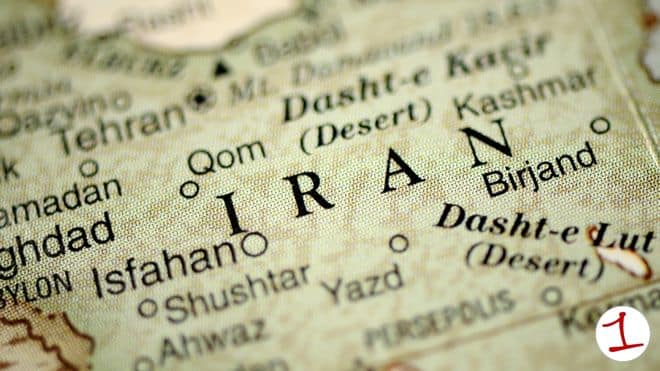
New national polling shows Americans remain divided over the war with Iran, with many expressing skepticism about its impact on global safety and growing concern about personal finances.
A Quinnipiac University poll found 42% of voters believe the war will make the world less safe, compared to 35% who say it will make it safer.

War outlook and public opinion
A separate Pew Research Center survey found broader opposition to U.S. military action, with 59% of Americans saying the decision to use force in Iran was wrong.
About 61% also said they disapprove of how President Donald Trump is handling the conflict, while 37% approve.
The Quinnipiac poll similarly found 54% of voters oppose U.S. military action, compared to 39% who support it.
Both surveys point to deep partisan divides. Republicans largely support the war effort, while Democrats overwhelmingly oppose it. Independent voters tend to align more closely with Democrats on the issue.
Perceptions of safety and progress
Americans are split on how the conflict will affect safety.
The Quinnipiac poll found a plurality believes the war will make the world less safe, while Pew data shows 33% say it will make the world less safe and 27% say it will make it safer.
When asked about U.S. safety specifically, 40% said the conflict would make the country less safe, compared to 22% who said it would make it safer.
Views on how the war is progressing are also mixed. Quinnipiac found 52% of voters say the war has gone as expected, while 28% say it has gone worse than expected.
Pew reported that more Americans say the military action is not going well (45%) than say it is going very or extremely well (25%).
Expectations for duration
A majority of Americans expect the conflict to continue for months.
According to Pew, 54% believe the war will last at least six more months, including 29% who think it will continue for more than a year.
Another 35% expect the conflict to last between one and six months, while only 8% believe it will end within a month.
Republicans are more likely to expect a shorter conflict, while Democrats are more likely to anticipate a prolonged war.
Political landscape
The Quinnipiac poll shows declining approval ratings for President Trump, with 38% of voters approving of his overall job performance and 56% disapproving.
Approval drops further on specific issues, including 36% for foreign policy and 34% for handling the Iran conflict.
The poll also found low favorability ratings for both major political parties. The Democratic Party has a 31% favorable rating, while the Republican Party stands at 35%.
Despite that, 51% of voters said they would prefer Democrats to control the U.S. House of Representatives, compared to 40% who favor Republicans.
Economic concerns and personal finances
Beyond foreign policy, the surveys highlight ongoing economic strain for many Americans.
Only 34% of voters described the national economy as excellent or good, while 65% said it is not so good or poor.
Most voters, 66%, said their personal financial situation is holding steady, though 18% reported falling behind.
Healthcare costs emerged as the top financial concern, cited by 21% of respondents. Food costs and housing expenses followed at 13% each.
Gas prices also remain a concern, with 46% of voters saying they are a serious problem for their household.
The poll found that 51% of voters would have difficulty paying an unexpected $1,000 expense.
Survey methods
The Quinnipiac poll surveyed 1,191 registered voters nationwide from March 19 to 23, with a margin of error of plus or minus 3.6 percentage points.
The Pew Research Center survey included 3,524 U.S. adults and was conducted March 16 to 22 using online and telephone interviews.

FingerLakes1.com is the region’s leading all-digital news publication. The company was founded in 1998 and has been keeping residents informed for more than two decades. Have a lead? Send it to news@fingerlakes1.com.