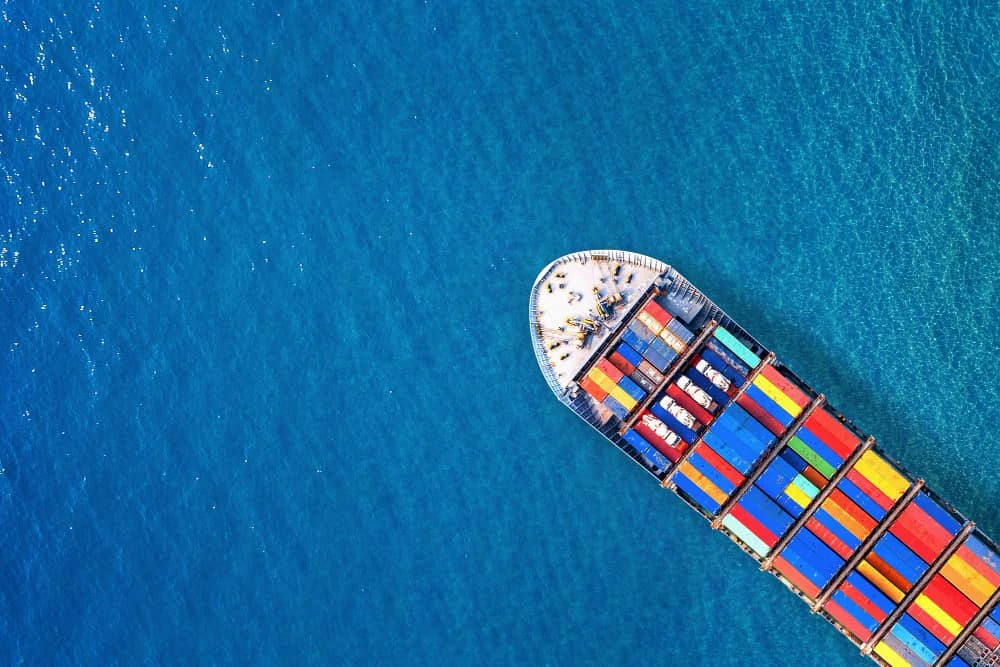
With the rapid growth of global e-commerce and cross-border trade, the shipping route from China to the United States has become one of the most crucial corridors in international logistics. Whether it’s electronics, textiles, industrial equipment, or consumer goods, an increasing number of businesses rely on this supply chain to serve customers, stock warehouses, or fulfil online orders.
But how does the shipping process actually work? What are the key challenges and considerations? And where does a freight forwarder China to USA fit into the picture? This article explores the essentials of China–USA shipping and highlights the practical aspects businesses should understand before sending cargo across the Pacific.
Shipping Methods: Air, Sea, or Express?
The choice of shipping method depends primarily on three factors: the volume and weight of the cargo, urgency of delivery, and budget. Here’s a brief comparison:
- Sea Freight (FCL or LCL):
Sea shipping is the most economical option for large-volume shipments. Full Container Load (FCL) is suitable for businesses moving significant cargo, while Less than Container Load (LCL) allows multiple shippers to share space in one container — a flexible solution for smaller shipments. - Air Freight:
Faster than sea freight but more expensive. Ideal for time-sensitive or high-value goods. Transit time is usually between 5 to 10 days depending on the route and customs processing. - Express Shipping (Courier):
Best for light, small parcels — especially in e-commerce. Carriers like DHL, UPS, and FedEx offer fast door-to-door delivery but at premium rates.
Each option has its own customs process and transit timelines, so businesses often work with experienced freight forwarders to choose the most efficient route.
Customs and Regulatory Considerations
Shipping internationally is more than just moving goods — it requires strict compliance with the customs and regulatory systems of both the exporting and importing countries.
From the Chinese side, exporters must provide:
- Commercial invoices
- Packing lists
- Export permits (if applicable)
Upon entry to the U.S., customs clearance is handled by licensed brokers who ensure:

- Correct HS code classification
- Duty and tax calculation
- Compliance with regulations from agencies like FDA, CBP, and FCC
Errors or missing documentation can lead to delays or fines. To avoid this, many importers turn to integrated logistics companies such as ARDI Logistics, which assist with both freight transport and end-to-end documentation support.
Freight Forwarding and Door-to-Door Options
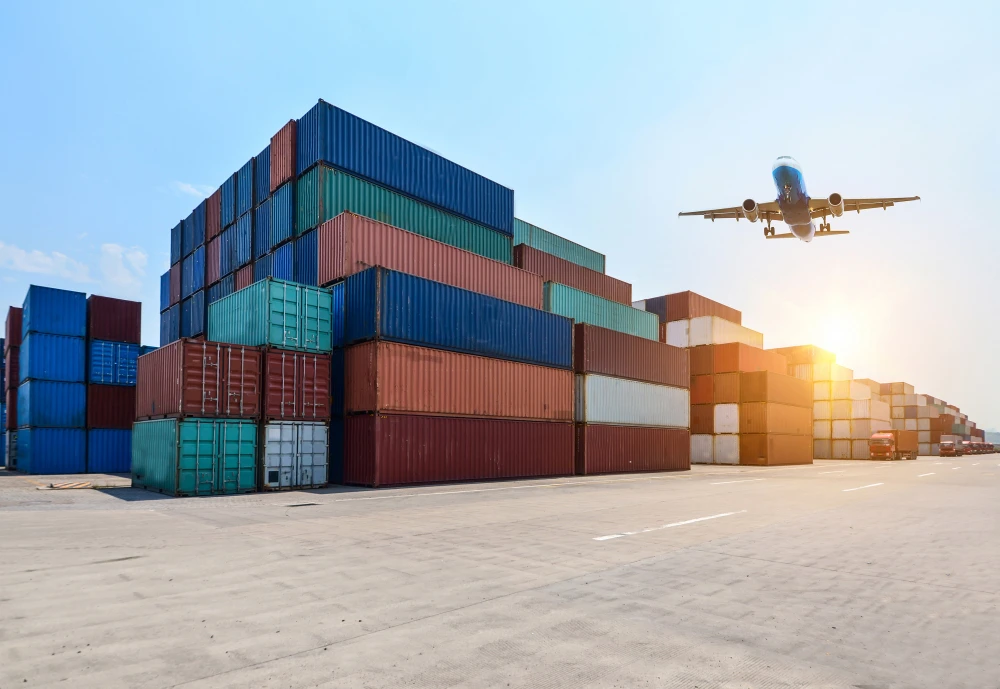
Choosing a freight forwarder simplifies the entire shipping process, especially for businesses without in-house logistics teams. A professional forwarder coordinates every step of the journey, including:
- Cargo pickup in China
- Consolidation and packing
- Booking sea or air transport
- Export and import customs clearance
- Delivery to final destination in the USA
Some forwarders — including ARDI Logistics — offer DDP (Delivered Duty Paid) services, where they not only transport the goods but also handle payment of import duties and taxes on behalf of the buyer. This model is increasingly popular among Amazon sellers and small businesses looking for a frictionless import process.
Costs and Planning
Shipping costs between China and the USA vary depending on:
- Shipping method (sea, air, courier)
- Container size or weight
- Distance from factory to port
- Last-mile delivery fees
- Duties and taxes
- Seasonality (e.g., Chinese New Year, Q4 peak)
To avoid surprise charges, it’s important to request all-inclusive quotes that cover freight, handling, customs clearance, and inland delivery.
Working with a logistics provider like ARDI Logistics, which has established operations both in China and the USA, can help businesses manage costs more effectively through:
- Shipment consolidation
- Route optimisation
- Pre-negotiated carrier rates
- Warehousing options near U.S. ports
Who Uses This Route?
The China–USA shipping lane is used by:
- E-commerce brands
- Wholesalers and distributors
- Startups with production in Asia
- Retailers importing finished goods
- Amazon FBA sellers
No matter the industry, efficient and compliant logistics is key to timely delivery and satisfied customers.
Final Thoughts
Shipping from China to the USA remains a cornerstone of modern global trade. But with increasing complexity in customs regulations, shipping schedules, and supply chain risks, it’s more important than ever to work with a reliable freight forwarder China to USA who understands the full logistics landscape.

This content is brought to you by the FingerLakes1.com Team. Support our mission by visiting www.patreon.com/fl1 or learn how you send us your local content here.