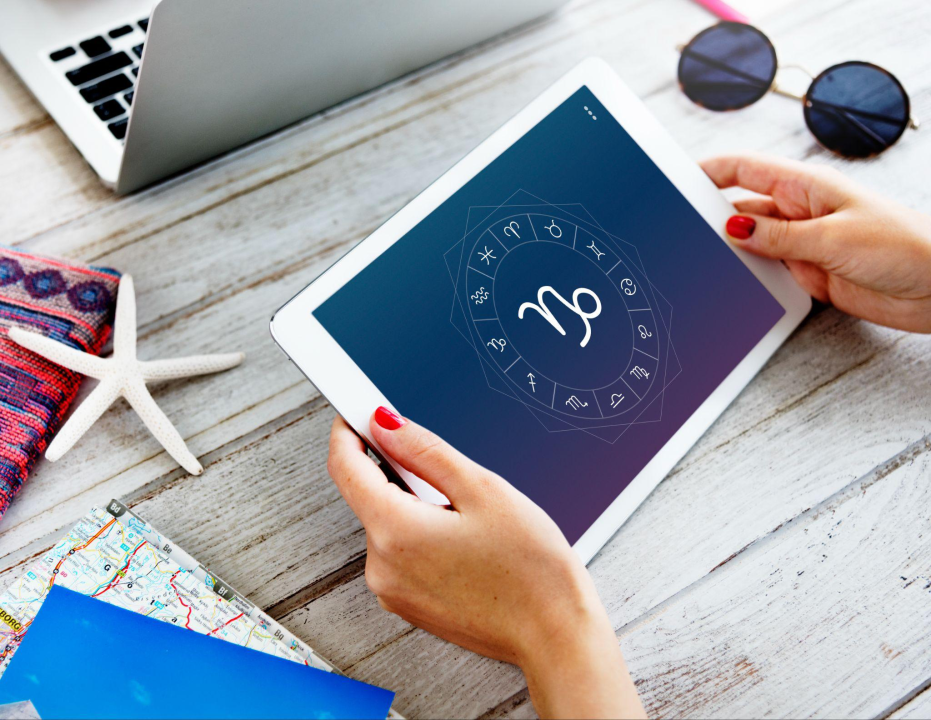
Smartphones have turned many old habits into quick daily taps. Checking the weather, ordering coffee, and now opening an astrology feed all happen on the same glass rectangle. These days, people check their horoscopes almost as quickly as they check the time. It’s a small daily moment that used to take up half a column in print.
From papers to pockets
For decades horoscopes lived in the lifestyle corner of the local paper. Readers scanned twelve short blurbs printed on thin stock and sometimes clipped a hopeful forecast for the fridge door. That slow ritual has become a push alert that blinks before the kettle whistles. With one download a user now gets birth-chart math, compatibility scores, and a schedule of moon phases that updates minute by minute.
Smartphones are always within reach so astrology rides along. Tiny doses of guidance slide in between bank alerts and fitness reminders. Modern apps prefer exact planetary positions to the old sun-sign approach, so advice feels personal rather than canned.
Plenty of newcomers skip research altogether. They open the store on their phone, type the best horoscope app into the search bar, and tap the first icon that feels friendly. In that single gesture they join a growing crowd that checks the sky as often as the weather forecast.
Why the download count keeps climbing
Three familiar forces push the curve upward:
- Easy entry. Most astrology apps cost nothing to try. A free tier scratches curiosity and a paid tier waits for people who want more detail.
- Social proof. Friends post screenshots of eerie predictions and curiosity spreads in group chats. Mercury warns about travel trouble, so someone forwards the alert and another install follows.
- Search for meaning. When routines wobble people crave a story that turns randomness into pattern. Astrology supplies that story and a phone supplies the stage.
These three forces keep downloads rising. One person shares their chart, another gets curious and downloads the app. There is no account setup, no learning curve. Just a moment that feels accurate and that is often enough to stick around.
Design tricks that build the habit
Astrology is part game, part self-reflection. Good apps turn that mix into a routine.
- A daily digest folds sun moon and rising insights onto one card
- Interactive match pages compare complete birth charts, not just birthdays
- Alerts pop up at key planetary shifts, so users can plan or at least feel ready
Each feature is tiny by itself, yet together they create a loop that brings people back. The heavy math stays behind the curtain. Users only see plain language that sounds like it was written for them.
Why users stick around
Short forecasts turn into small rituals that fit almost any schedule. People say they keep coming back because the apps help them:

- Pause and reflect before a busy workday
- Find playful icebreakers for chats with friends or dates
- Frame setbacks as temporary rather than permanent
- Notice changes by comparing last month’s notes with today’s mood
These practical benefits feel modest on their own yet add up to steady guidance that is easy to defend when weekly screen-time reports appear.
How the money flows
Most revenue arrives through monthly plans. A modest fee unlocks extended forecasts, future transit calendars, or a live chat with a professional astrologer. Some platforms sprinkle in one-time readings for career or love questions. Many also sell wallpaper packs and zodiac widgets that let people decorate their home screen.
Responsible builders add clear notes that astrology cannot replace a doctor lawyer or financial adviser. They also limit the number of alerts, so a user is not nudged to rewrite life every time the moon changes signs. Respect keeps trust high and churn low.
The ripple effect in real life
Daily forecasts do more than entertain. They spark conversation. Comment threads often turn into small forums where users swap stories about how a lunar transit matched a meeting at work. Some local meetups even start inside these chats then move to coffee shops where neighbors compare charts face to face.
Shared vocabulary breeds empathy. Saying Mars is pacing through the fourth house sounds more specific than rough day. Friends who know the code answer with humor or advice instead of blank stares.
What might come next
Developers are already exploring camera tools that overlay live star maps on the night sky. Voice assistants could read a personal forecast while someone ties running shoes. None of this changes the core appeal. Astrology gives shape to chaos and the phone delivers that shape in seconds.
Closing thoughts
Astrology has survived by adapting. Clay tablets became parchment then almanacs then newspaper columns. Today the craft fits in a pocket. Across neighborhoods from Geneva to Ithaca friends compare planetary notes as casually as sharing weekend plans.
The steady rise of horoscope downloads shows how a very old ritual can feel new again when paired with patient design. Whether someone wants playful guidance or a moment of quiet reflection the growing library of apps offers a steady stream of cosmic context to anyone willing to tap install.
Make FL1 part of your day.
Local reporting. Useful updates. More ways to stay close to your community.
Go ad-free
Support independent local reporting and enjoy FL1 without display ads.
$4.99 / month
Become a member →Cancel anytime. Third-party media players may contain ads.Get the daily briefing
Start your morning with the headlines that matter across the Finger Lakes.
Find more FL1 on Google
Choose FingerLakes1.com as a preferred source to see more of our reporting in your Google news results.

This content is brought to you by the FingerLakes1.com Team. Support our mission by visiting www.patreon.com/fl1 or learn how you send us your local content here.