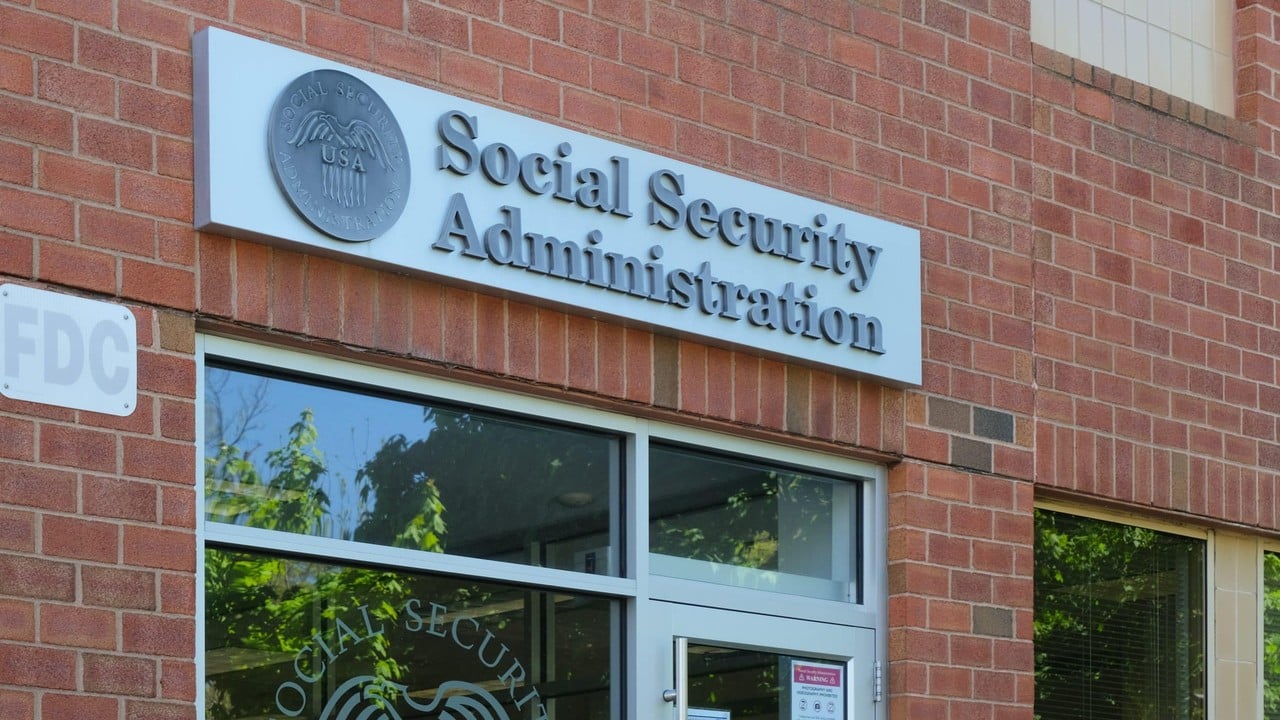
Retirees looking to stretch their income are increasingly eyeing states that don’t tax Social Security benefits. As of 2025, 41 U.S. states and Washington, D.C. have exempted these payments from state income taxes—offering significant financial relief for older Americans.
Full list of states that don’t tax Social Security
The following states currently do not impose state income taxes on Social Security benefits:
- Alabama
- Alaska
- Arizona
- Arkansas
- California
- Delaware
- Florida
- Georgia
- Hawaii
- Idaho
- Illinois
- Indiana
- Iowa
- Kansas
- Kentucky
- Louisiana
- Maine
- Maryland
- Massachusetts
- Michigan
- Mississippi
- Missouri
- Nebraska
- Nevada
- New Hampshire
- New Jersey
- New York
- North Carolina
- North Dakota
- Ohio
- Oklahoma
- Oregon
- Pennsylvania
- South Carolina
- South Dakota
- Tennessee
- Texas
- Virginia
- Washington
- Wisconsin
- Wyoming
- Washington, D.C.
These states have implemented policies to exclude Social Security income from taxation, helping retirees preserve more of their monthly benefits.
Why this matters for retirees
For those living on a fixed income, taxes can make a major difference in retirement planning. Social Security alone isn’t always enough to cover essential living expenses, and state taxes can further reduce that income.
By retiring in a state that doesn’t tax these benefits, retirees can maximize the value of their monthly checks and potentially reduce the need to draw down savings or other retirement accounts.
But don’t overlook other taxes
Even in states that exempt Social Security income, other forms of retirement income—such as pensions, 401(k) withdrawals, or IRA distributions—may still be subject to taxation. States like Delaware and Florida stand out for having broad tax-friendly policies, including no sales or estate taxes.
In some states that do tax Social Security benefits, there are partial exemptions based on income level or age. For example:
- Minnesota does not tax Social Security if it’s your only income.
- Colorado fully exempts federally taxed Social Security for residents 65 and older, and beginning in 2025, the exemption extends to those ages 55–64 earning less than $75,000 ($95,000 for couples).
These exceptions make it important for retirees to review the full tax picture—not just Social Security.
Bottom line
The number of states opting not to tax Social Security benefits has grown, reflecting a broader shift toward senior-friendly tax policies. While that’s good news for retirees, it’s still essential to examine other tax categories—like income, property, and sales taxes—before deciding where to retire.

Want to know where your state stands? Visit SSA.gov for updated federal guidelines and consult your state’s department of revenue for local policies.
Make FL1 part of your day.
Local reporting. Useful updates. More ways to stay close to your community.
Go ad-free
Support independent local reporting and enjoy FL1 without display ads.
$4.99 / month
Become a member →Cancel anytime. Third-party media players may contain ads.Get the daily briefing
Start your morning with the headlines that matter across the Finger Lakes.
Find more FL1 on Google
Choose FingerLakes1.com as a preferred source to see more of our reporting in your Google news results.

This content is brought to you by the FingerLakes1.com Team. Support our mission by visiting www.patreon.com/fl1 or learn how you send us your local content here.