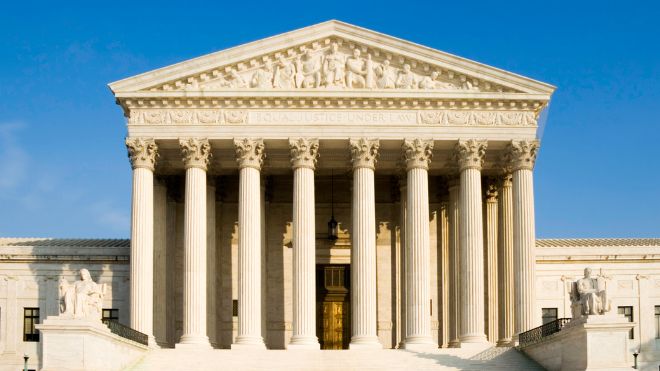
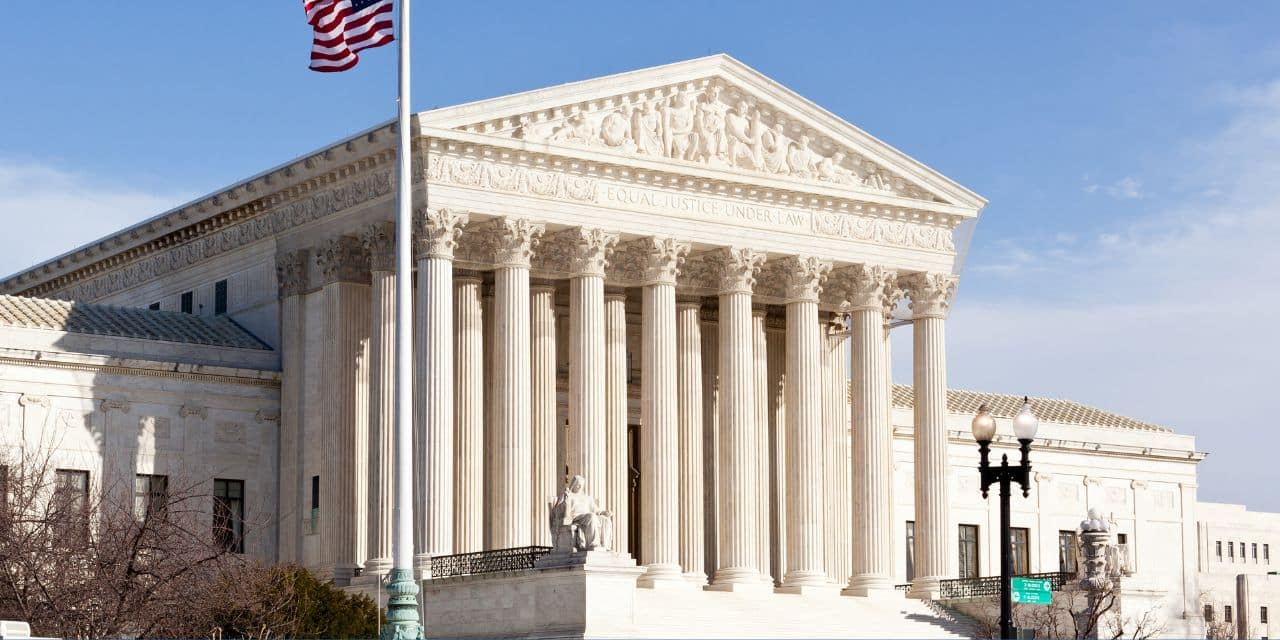
The Trump administration is asking the U.S. Supreme Court to restore the Department of Government Efficiency’s (DOGE) access to Social Security Administration (SSA) records. This emergency request follows two court defeats that limited DOGE’s authority.
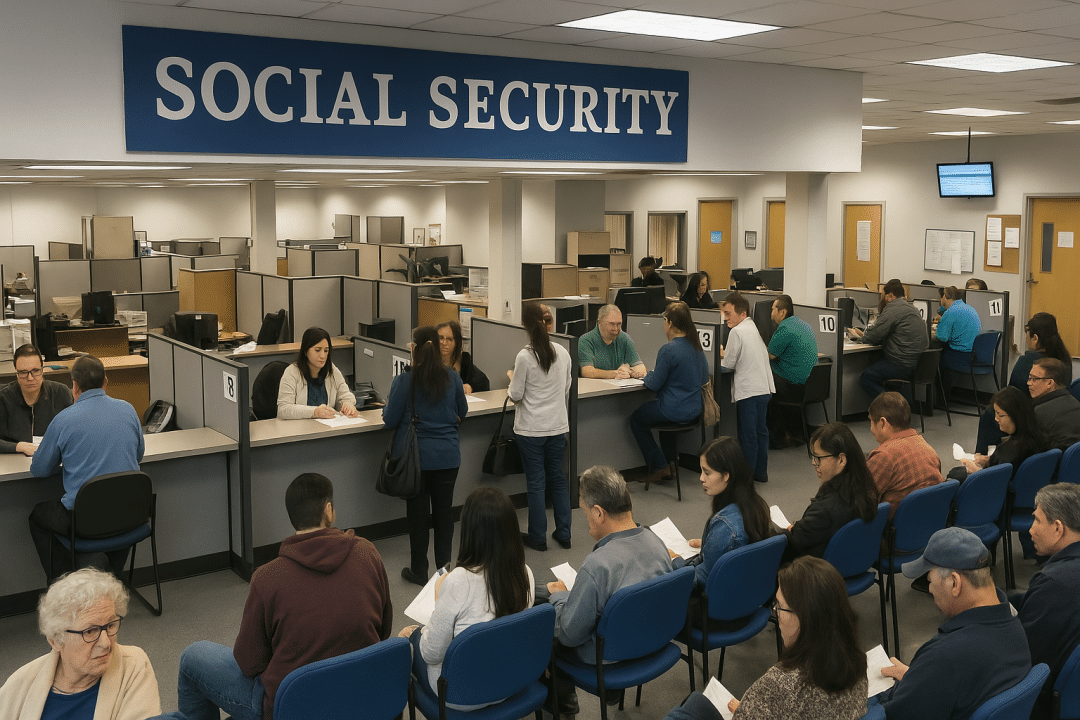
Solicitor General John Sauer filed the application on Friday. He argued that restrictions are causing “irreparable harm” to federal efforts to fight waste and fraud. Sauer warned that the injunction blocks DOGE’s mission to modernize government IT systems.
Lower courts block DOGE from sensitive records
The legal fight began when the American Federation of State, County and Municipal Employees, the Alliance for Retired Americans, and the American Federation of Teachers sued the government. In March, U.S. District Judge Ellen Lipton Hollander ruled against DOGE. She ordered the SSA to cut off access and delete any collected personal data.
Hollander criticized DOGE’s sweeping reach into sensitive information. Records exposed included Social Security numbers, medical histories, tax information, and home addresses. The judge described DOGE’s actions as a “fishing expedition” with little justification.
The Trump administration also appealed to the Fourth Circuit Court of Appeals. However, on April 30, the appeals court denied the government’s request in a 9–6 decision. The majority emphasized that DOGE’s work could proceed using anonymized or limited data instead.
Trump officials argue broader access is critical
In its Supreme Court filing, the administration said the plaintiffs lack standing. Sauer noted that agency employees are legally permitted to access personal records under the Privacy Act of 1974. Therefore, limiting DOGE’s access would undermine federal operations.
Trump officials argue that employees working on fraud prevention must have full access to SSA databases. Sauer compared the lower courts’ restrictions to treating DOGE employees like criminals, interfering with the executive branch’s responsibilities.

Background concerns about DOGE’s practices
Evidence in the case revealed that DOGE staff were granted data access without formal SSA hiring, background checks, or proper training. Judges noted that DOGE’s privileges exceeded those of even senior SSA officials.
The Fourth Circuit emphasized that established procedures existed to protect sensitive records. Yet DOGE was given broad access outside these safeguards.
Chief Justice John Roberts has asked the plaintiffs to respond by May 12. A decision on whether to temporarily lift the access ban could follow soon after.
Make FL1 part of your day.
Local reporting. Useful updates. More ways to stay close to your community.
Go ad-free
Support independent local reporting and enjoy FL1 without display ads.
$4.99 / month
Become a member →Cancel anytime. Third-party media players may contain ads.Get the daily briefing
Start your morning with the headlines that matter across the Finger Lakes.
Find more FL1 on Google
Choose FingerLakes1.com as a preferred source to see more of our reporting in your Google news results.

This content is brought to you by the FingerLakes1.com Team. Support our mission by visiting www.patreon.com/fl1 or learn how you send us your local content here.