

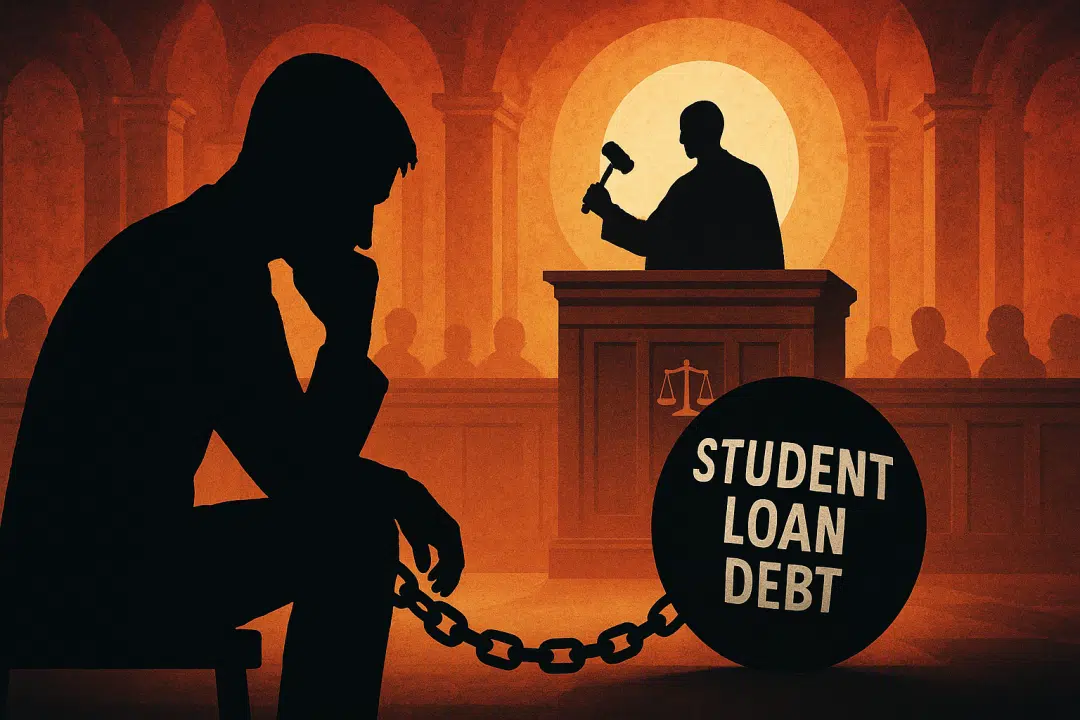
Federal student loan debt collections will resume on May 5, 2025, ending a years-long pause that began at the start of the COVID-19 pandemic. Borrowers who fail to repay defaulted loans could face serious financial consequences, including wage garnishment, tax refund seizures, and major credit damage.
Why student loan collections are restarting
The Department of Education announced that it will begin collecting on defaulted student loans in May, following a shift in federal fiscal policy. Officials say the move aims to reduce the national debt and restore accountability to the student loan system.
“America is $36 trillion in debt,” said White House Press Secretary Karoline Leavitt. “We must get our fiscal house in order and restore common sense to our country. If you take out a loan, you have to pay it back.”
The Trump administration emphasized the need to enforce student loan collections as a way to stabilize federal spending. The Department of Education, now working with the Department of Treasury, will oversee the effort.
What happens if you don’t pay your student loan?
Borrowers who ignore their loans after collections resume risk immediate and severe penalties:
- Wage garnishment: The government can seize a portion of your paycheck without a court order.
- Tax refund interception: Federal and state tax refunds can be withheld and applied to your student loan debt.
- Social Security benefit reductions: If you qualify for Social Security, the government can withhold part of your benefits.
- Credit damage: Defaulted loans will appear on your credit report, making it harder to qualify for mortgages, car loans, and even rental agreements.
Borrowers with defaulted loans should contact the Debt Resolution Group as soon as possible to arrange repayment options and avoid aggressive collection actions.
What about repayment plans like SAVE?
The future of income-driven repayment plans, such as the Saving on a Valuable Education (SAVE) program, remains uncertain. The administration has not clarified whether new, more affordable repayment options will be available alongside the renewed collection efforts.
Without confirmed options, borrowers must prepare for enforcement under existing federal law, which gives the government broad authority to collect overdue debts.
Final reminder for borrowers
If you have defaulted student loans, act now to protect your financial future. Contact the Debt Resolution Group or your loan servicer to explore options for returning to good standing.
Federal law allows the government to collect aggressively once loans default, and the window to resolve your debt voluntarily is closing fast.

This content is brought to you by the FingerLakes1.com Team. Support our mission by visiting www.patreon.com/fl1 or learn how you send us your local content here.