

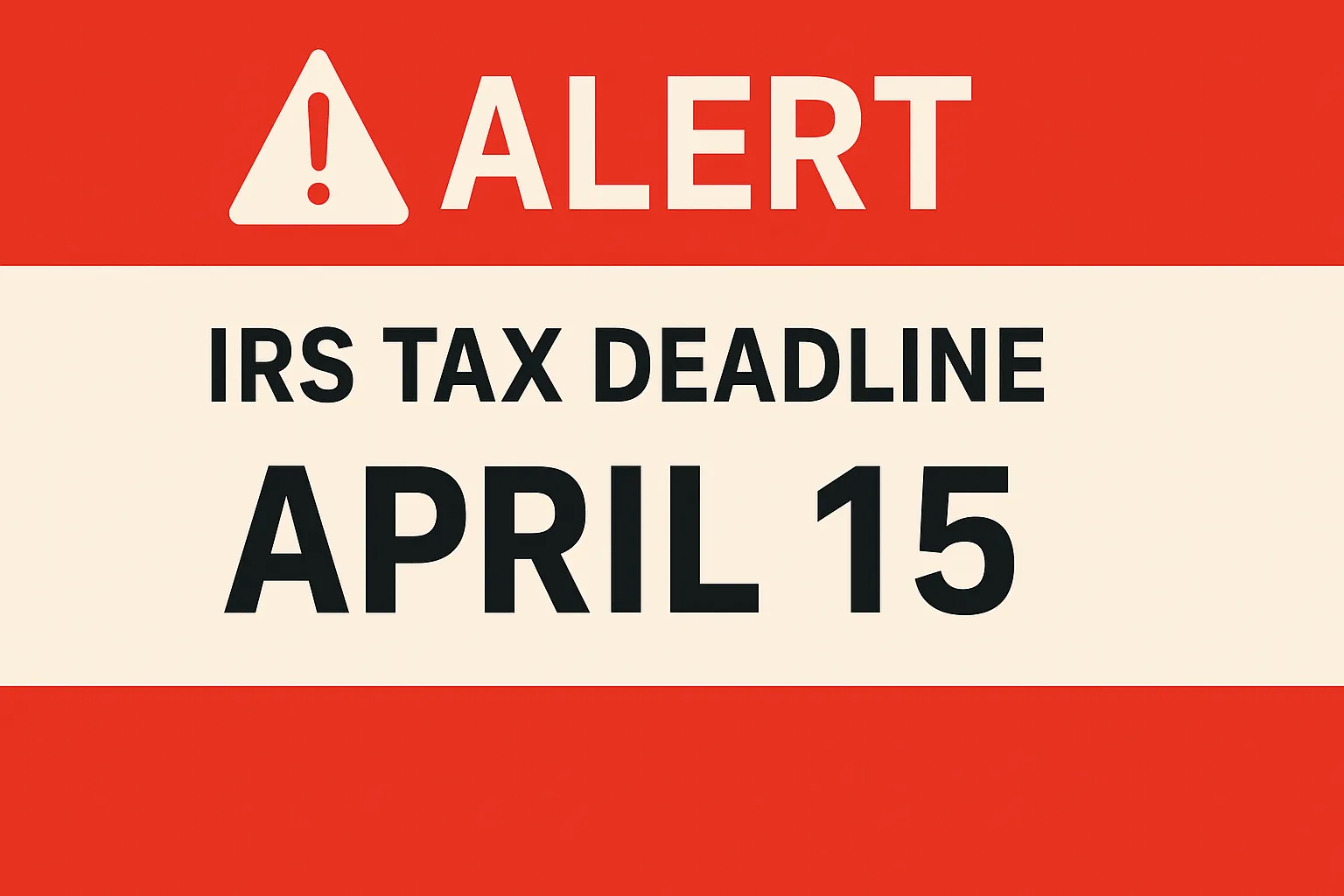
April 15 is Tax Day. Here’s everything you need to know about filing on time, getting an extension, handling late payments, and avoiding IRS penalties.
When Is Tax Day in 2025?
For most U.S. taxpayers, Tax Day 2025 falls on Tuesday, April 15. This is the deadline to:
- File your federal income tax return
- Pay any taxes owed
If you file based on a fiscal year instead of a calendar year, your due date is the 15th day of the fourth month after your fiscal year ends.
If April 15 lands on a weekend or holiday, the IRS moves the deadline to the next business day. However, in 2025, it falls on a regular Tuesday.
Need More Time? How to File a Tax Extension
If you can’t file your return by April 15, don’t panic. The IRS allows you to request a six-month extension—but you must act before the deadline.
Here’s how to file for an extension:
- Submit Form 4868 online through IRS Free File.
- You can also mail it, but it must be postmarked by April 15.
Important Notes:
- An extension to file is not an extension to pay.
- You must estimate and pay any taxes owed by April 15 to avoid penalties.
What If You Can’t Pay by April 15?
If you can’t pay your full tax bill by the deadline, the worst thing you can do is ignore it. Here’s what you should do instead:
- File your return anyway to avoid the Failure-to-File penalty.
- Pay what you can upfront to reduce penalties and interest.
- Apply for a payment plan through the IRS Online Payment Agreement tool.
“The penalty for not filing is higher than the penalty for not paying,” says tax expert Levi Anderson. “Always file on time—even if you can’t pay everything.”
Key IRS Penalty and Interest Rates
- Underpayment interest rate: 7% per year, compounded daily.
- Late payment penalties: Start at 0.5% of the unpaid taxes each month.
- Setup fees for payment plans apply, but are generally lower than credit card interest.
In some cases, you may qualify for penalty relief due to hardship or natural disasters. Visit the IRS Penalty Relief page to check your eligibility.
Special Rules for Military Members and Disaster Victims
Certain taxpayers get automatic deadline extensions:
- Military members in combat zones have at least 180 days after leaving the zone to file and pay.
- Disaster-area residents may receive up to one year of additional time, depending on IRS determinations.
To receive this relief, eligible individuals must notify the IRS directly. More info can be found in IRS Publication 509.
Last-Minute Filing Tips to Avoid Mistakes
If you’re filing close to the deadline, follow these steps to avoid delays:
- Triple-check your name, SSN, and bank account numbers.
- Answer the digital asset question on Form 1040 if applicable.
- Choose e-filing and direct deposit to receive any refund faster.
- Consider making a last-minute contribution to an IRA or HSA to reduce your 2024 tax liability (must be done by April 15).
How to Avoid Tax Scams This Season
The IRS warns taxpayers to watch out for fraud. Remember:
- The IRS won’t contact you first by phone, text, or social media.
- It will never demand payment via gift cards or prepaid debit cards.
- Always confirm communications by visiting irs.gov.
Final Thoughts
Tax Day 2025 is around the corner. Whether you’re ready to file, need more time, or can’t pay in full, the key is to act before April 15. Filing late or failing to pay could cost you far more in the long run.

This content is brought to you by the FingerLakes1.com Team. Support our mission by visiting www.patreon.com/fl1 or learn how you send us your local content here.