

Understanding coffee roasting levels is crucial for both coffee enthusiasts and professionals as it directly influences the final taste and quality of the coffee. The flavor profile of coffee roasts can range from the bright and acidic notes of a light roast to the bold and robust flavors of a dark roast. By comprehending these levels, individuals can tailor their coffee choices to their flavor preferences and brewing methods. This knowledge also aids in better appreciating the craft of coffee making, from selecting the right coffee roast types to fine-tuning brewing techniques for optimal flavor extraction.
The Coffee Bean Roasting Process
From Green Beans to Roasted Beans
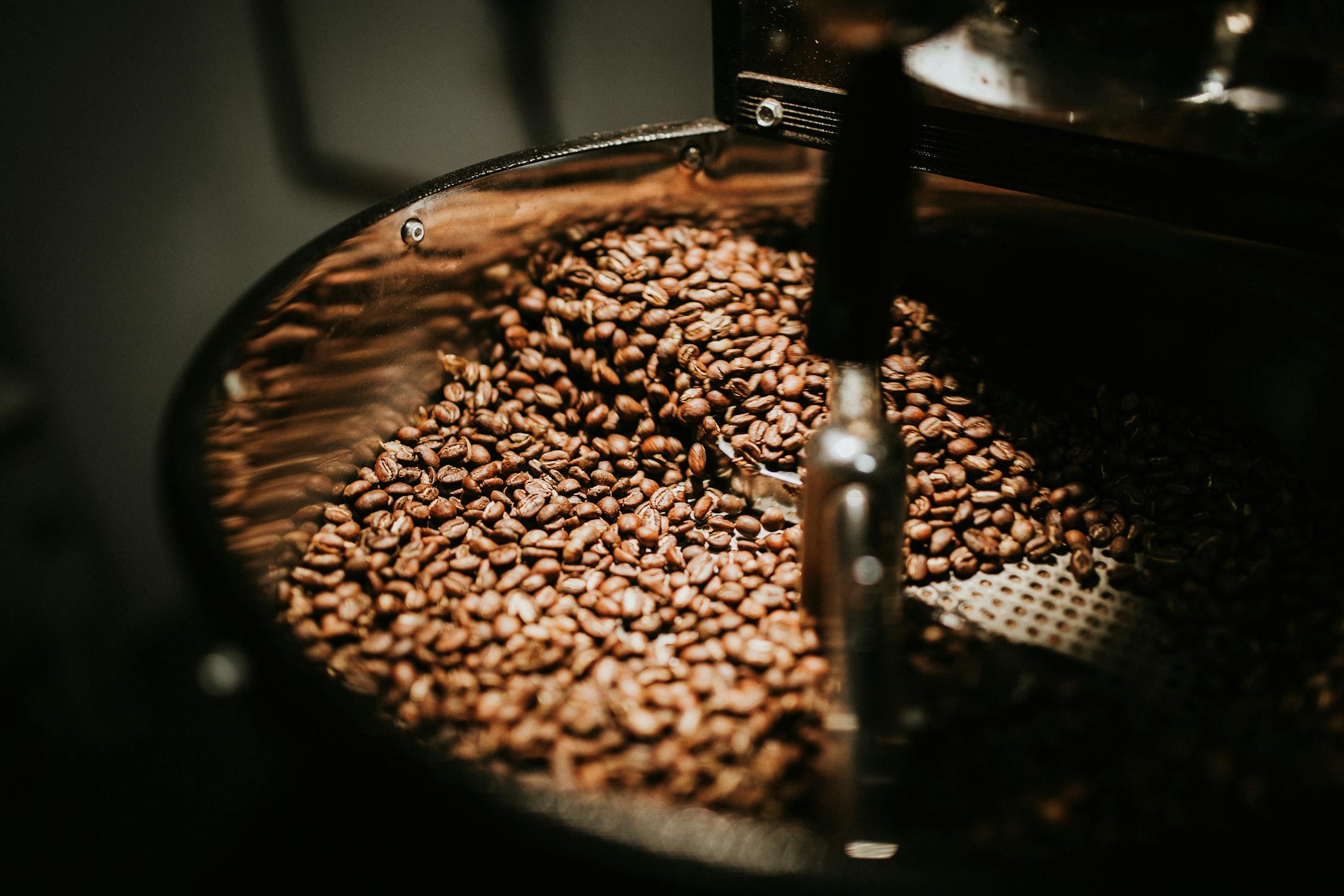
Coffee starts its journey as green, unroasted beans which are the seeds of the coffee fruit. These beans are relatively soft and spongy with a grassy scent, lacking any of the characteristic coffee aromas that we know and love. The coffee bean roasting process transforms these green beans into the aromatic, crunchy beans used for brewing coffee. This transformation occurs through a series of chemical reactions that begin once beans are exposed to heat. Roasting machines use high temperatures to incite a change in sugar, fat, and starch content which develops the bean’s flavor, aroma, and color.
How Heat Affects Chemical Composition
When coffee beans are heated during roasting, they undergo significant chemical changes that alter their structure and flavor profile. Sugars begin to caramelize, fats melt and degrade, and acids form and then dissipate. The heat causes the beans to expand and lose moisture, which results in the light, dry feel of roasted beans. The development of these chemical changes is crucial in shaping the flavor profile of coffee roasts; different temperatures and roasting durations are used to achieve specific flavors and aromas.
Timing and Temperature in Roasting
Each coffee roasting level, from light to dark, follows specific temperature profiles that can significantly affect the bean’s chemical structure. Light roasts may reach temperatures of 350°F to 400°F, while darker roasts might go up to 450°F or more. The timing also varies; a light roast might be quickly heated for a short burst, while a dark roast is slowly brought to temperature and held there to achieve its characteristic profile.
Light Roast Coffee Characteristics
Preserving Natural Bean Flavors
This roast level typically stops right after the first crack, a popping sound that occurs as the beans expand and their moisture content is released. By ceasing the roasting process at this stage, the light roast coffee beans retain much of their original character, including complex and subtle floral or fruity notes that might be overshadowed in darker roasts.
Acidity and Fruity or Floral Notes
Light roast acidity and flavor are marked by a bright, pronounced acidity that is often described as sharp and refreshing. This roast level allows the natural acids in the coffee, which can resemble those in fruits, to remain intact and prominent. These acids contribute to a vibrant taste experience that is complemented by underlying floral or citrus notes, making light roast coffee a favorite among those who appreciate a lively cup.

Caffeine Content
Contrary to popular belief, the caffeine content in light roasts is generally comparable to that of darker roasts, albeit slightly higher due to the lesser extent of roasting. The minimal processing leaves more of the original compounds intact, including caffeine. Those sensitive to caffeine might notice a stronger effect from light roast coffee compared to darker roasts, where some caffeine is lost in the extended roasting process.
Who Should Choose Light Roast Coffee?
This is an excellent choice for coffee enthusiasts who want to experience the bean’s authentic flavors with a high level of acidity and complexity. It is particularly suitable for those who:
- Appreciate the subtle, nuanced flavors of coffee that can range from sweet and floral to fruity and tangy.
- Prefer a lighter, less oily cup of coffee that retains much of its original character and caffeine.
- Enjoy exploring the distinctive tastes of different coffee origins, as light roasts often highlight the unique characteristics of the bean’s region and cultivation conditions.
- Are looking to pair their coffee with meals or desserts that complement its bright and vibrant profile.
Selecting light roast coffee allows drinkers to delve into a cup that is as close to the natural essence of the coffee cherry as possible. The minimal roasting brings out intricate flavor notes that can greatly vary from one batch to another, offering a sophisticated palette that can be paired creatively with food.
Medium Roast Coffee: A Balanced Option
Flavor Profile
Medium roast coffee offers a perfect equilibrium in cup quality, boasting a richer flavor than light roasts without the heavy oiliness of dark roasts. This balance is achieved through a roasting process that ends just before or right after the second crack stage, deepening the medium roast coffee flavors. The beans express a mellow sweetness reminiscent of caramel and may also carry hints of nutty undertones, which make the brew both aromatic and palatable.
Caffeine Content
While the caffeine difference among roast levels is generally minimal, medium roasts strike a balance, offering a moderate caffeine level that suits most coffee drinkers. The roasting process slightly diminishes the caffeine content compared to light roasts, but not as much as in dark roasts, making medium roast coffee a great middle ground for those seeking a moderate energy boost.
Ideal Coffee Drinkers
It appeals especially to those who might find light roasts too acidic or dark roasts too bitter. Medium roast coffee beans are perfect for everyday drinking due to their versatile flavor that combines the best aspects of coffee’s natural tastes with the enchanting flavors developed during roasting.
Dark Roast Coffee: Bold and Robust
Smoky and Chocolatey Flavor Notes
This roast level reaches into the second crack in the roasting process and beyond, allowing oils to surface on the bean, which enhances its rich, full-bodied taste. Dark roast coffee commonly exhibits hints of dark chocolate, charred wood, and toasted nuts, creating a complex and hearty brew that lingers pleasantly on the palate.
What to Expect
When choosing dark roast coffee, consumers can expect a coffee experience that is characterized by a noticeable oiliness on the beans and a flavor that is deeply infused with smoky undertones. Here’s what to look forward to with dark roast coffee beans:
- Bold Flavors: Expect a taste profile that includes elements like burnt caramel, bittersweet chocolate, and hints of spice.
- Low Acidity: The bright acidity typical of lighter roasts is almost completely absent, replaced by a subtle sharpness that complements the strong flavors.
- Velvety Texture: The oils released during the extended roasting process give the coffee a silky, almost creamy texture, enhancing the sensory experience of drinking it.
Dark roast coffee offers a unique and immersive experience, perfect for those who savor a profound flavor that is both aromatic and flavorfully complex.
Embracing the diversity of coffee roasts not only caters to individual preferences but also broadens the horizon for culinary exploration. Whether you’re experimenting at home or savoring a cup from a favorite café, each roast level offers a unique window into the vast world of coffee flavors. Armed with this understanding, you can tailor your coffee routine to fit not just your taste buds but also your lifestyle, ensuring every cup is a delightful experience.

This content is brought to you by the FingerLakes1.com Team. Support our mission by visiting www.patreon.com/fl1 or learn how you send us your local content here.

