


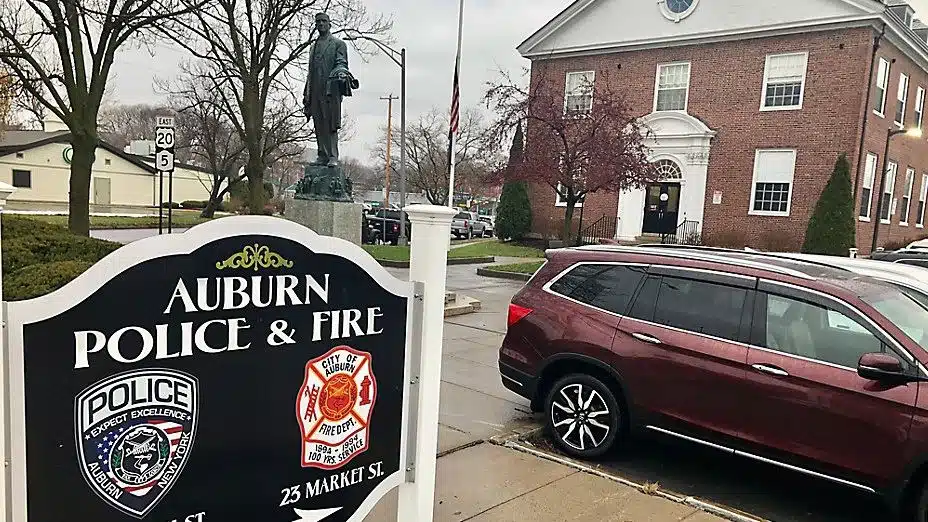
Auburn will enter a new five-year agreement for police body cameras, Tasers and digital evidence services after City Council unanimously approved a contract worth just under $1 million Thursday.
The $999,999.60 agreement with Axon Enterprises will provide the Auburn Police Department with 80 Axon Body 4 cameras, 61 Taser 10 units and related equipment, software, evidence storage and support from July 2027 through June 2032.
City officials said committing to the agreement early is expected to save Auburn about $629,825 over five years through bundled pricing and early-renewal discounts.
Councilor Craig Diego highlighted those projected savings before the vote, saying the size of the contract could otherwise attract attention given the city’s recent financial discussions.
“If you read this contract by doing this earlier than it’s due, we’re going to save $629,824,” Diego said. “That’s an extreme amount of money.”
The city’s existing five-year Axon contract cost about $646,275 and covers 64 body cameras and 60 Taser 7 devices. The expanded agreement increases the number of cameras and replaces the older Taser devices with Taser 10 technology.
Police Chief Matt Androsko told council the department wants additional cameras in part so school personnel can be equipped with them and so replacement units are immediately available when cameras are damaged.
Androsko said the newer Tasers can also interact with the camera system, automatically activating cameras when the devices are activated. The department opted for Taser 10 units rather than continuing with Taser 7 technology because the difference in price over the life of the contract was about $4,000, he said.
The equipment vote led into a broader discussion about how Auburn handles Freedom of Information Law requests for police body-camera footage.
Councilor Terry Cuddy questioned whether the city should have a more uniform process for receiving and tracking FOIL requests, particularly when police video is involved. He said he supported the body-camera program but raised concerns about consistency in how footage has been released in the past.
Corporation Counsel Nate Garland said police records present additional concerns because they can contain information affecting criminal investigations and personal privacy. He said the Police Department has a detailed body-camera policy and described the department’s review process as rigorous.
The discussion ultimately moved toward creating a centralized system to track FOIL requests across city departments.
Mayor Jimmy Giannettino suggested the city could maintain a shared record showing when requests are received, which department handles them, when responses are issued and whether additional time is required.
Garland said technological changes are also increasing the volume and complexity of public-record requests, noting that artificial intelligence can now be used to generate detailed FOIL requests quickly. He suggested Auburn investigate software that could help staff manage the workload.
No separate FOIL policy was adopted Thursday, but council members indicated they were interested in examining a centralized tracking system.

FingerLakes1.com is the region’s leading all-digital news publication. The company was founded in 1998 and has been keeping residents informed for more than two decades. Have a lead? Send it to news@fingerlakes1.com.