

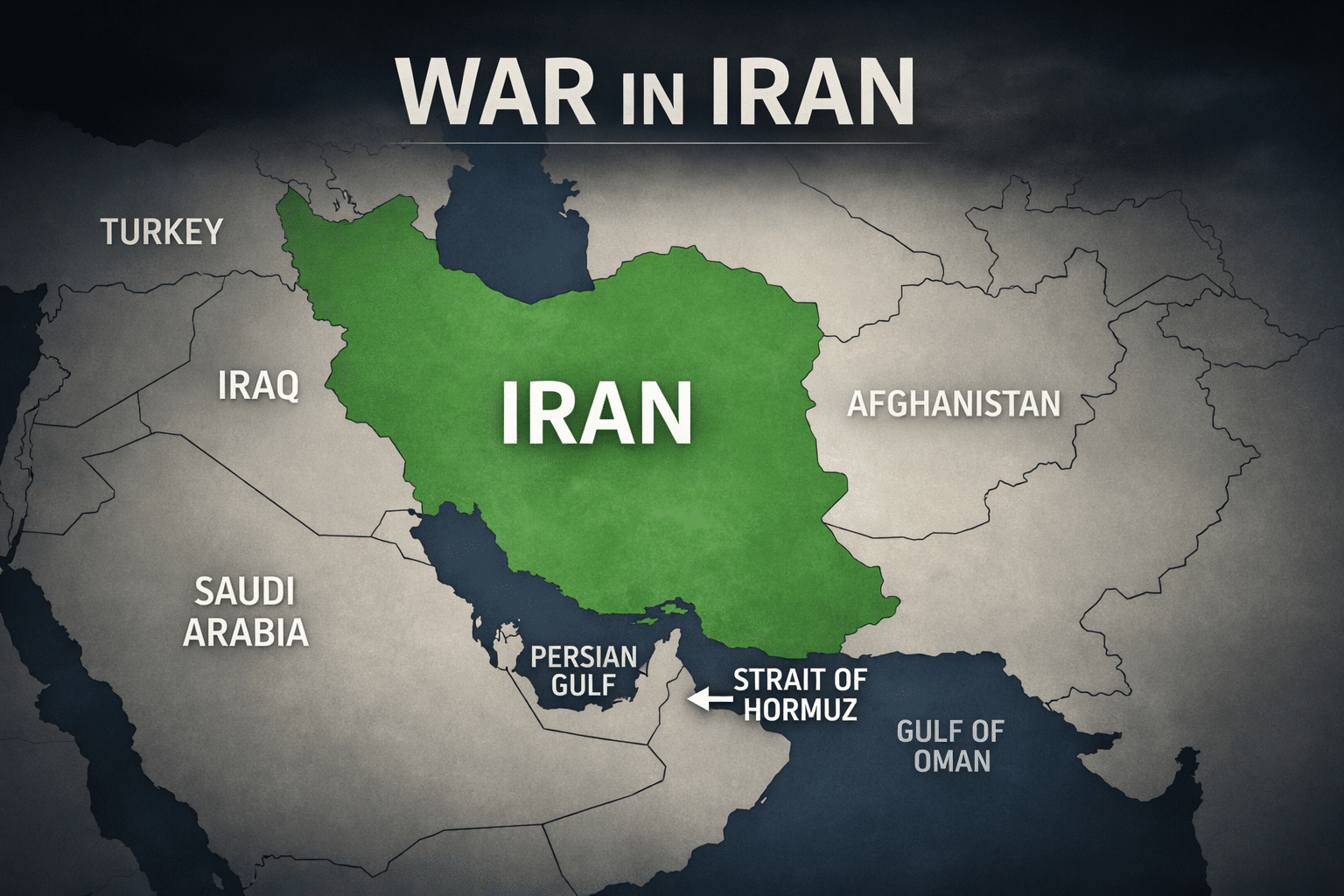
U.S. combat operations against Iran have cost the Department of Defense about $38 billion through Aug. 1, according to a new Congressional Budget Office analysis released as the conflict reached the 200-day mark.
The nonpartisan budget office said continued fighting could add between $2 billion and $3 billion per month, depending on its intensity. The estimate covers replacement munitions and equipment, additional flight operations, logistics and higher military fuel costs, but excludes some other federal expenses.

CBO warns estimates carry uncertainty
CBO said its estimate was based on government databases and public reports because the Defense Department did not respond to requests for information. The agency cautioned that the figure is subject to considerable uncertainty and does not include costs already built into the military's normal operating budget.
The administration requested $87.6 billion in supplemental appropriations in June, including $67.1 billion for the Defense Department. CBO said roughly $42.3 billion of that request appeared directly related to the Iran conflict, about 10% more than its estimate of costs through Aug. 1.
The agency also identified the heavy use of missile-defense interceptors as a significant military tradeoff. Replacing those systems could take years, potentially leaving smaller inventories available for another conflict involving large numbers of ballistic or cruise missiles.
CBO said disruptions to oil and natural-gas shipments through the Strait of Hormuz and shipping through the Red Sea have raised energy prices globally. It estimated that the conflict added 2.3 percentage points to the annualized rate of inflation during the second quarter of 2026.
Federal energy data released this week showed the national average price for regular gasoline at $4.319 per gallon on Sept. 14. The average for all grades was $4.455, according to the U.S. Energy Information Administration.
Schumer presses Republicans over war costs
Senate Democratic Leader Chuck Schumer of New York used the CBO findings to renew criticism of President Donald Trump's handling of the conflict. Schumer said the war has driven prices higher and accused Senate Republicans of failing to challenge the administration's strategy.
Senate Democrats also said American consumers had paid more than $107 billion in additional gasoline and diesel expenses since fighting began, an estimate they said amounted to more than $820 per household. That calculation was presented by the caucus and was not part of the CBO's $38 billion military-cost estimate.
The Democratic release compiled public statements in which Trump and senior administration officials repeatedly suggested the war would end within days or weeks. More recently, Trump said the conflict would be over shortly after the November election.
CBO said the main economic effects extend beyond gasoline prices because fuel costs influence shipping and the price of other goods and services. The agency now expects year-over-year inflation in the personal consumption expenditures price index to be 0.5 percentage points higher in the first quarter of 2027 than it projected in February.
The budget office said it could not estimate some additional expenses, including costs tied to diplomacy and foreign aid. It also noted that monthly military costs could exceed $3 billion if the intensity of fighting rises beyond the level seen in July.

FingerLakes1.com is the region’s leading all-digital news publication. The company was founded in 1998 and has been keeping residents informed for more than two decades. Have a lead? Send it to news@fingerlakes1.com.