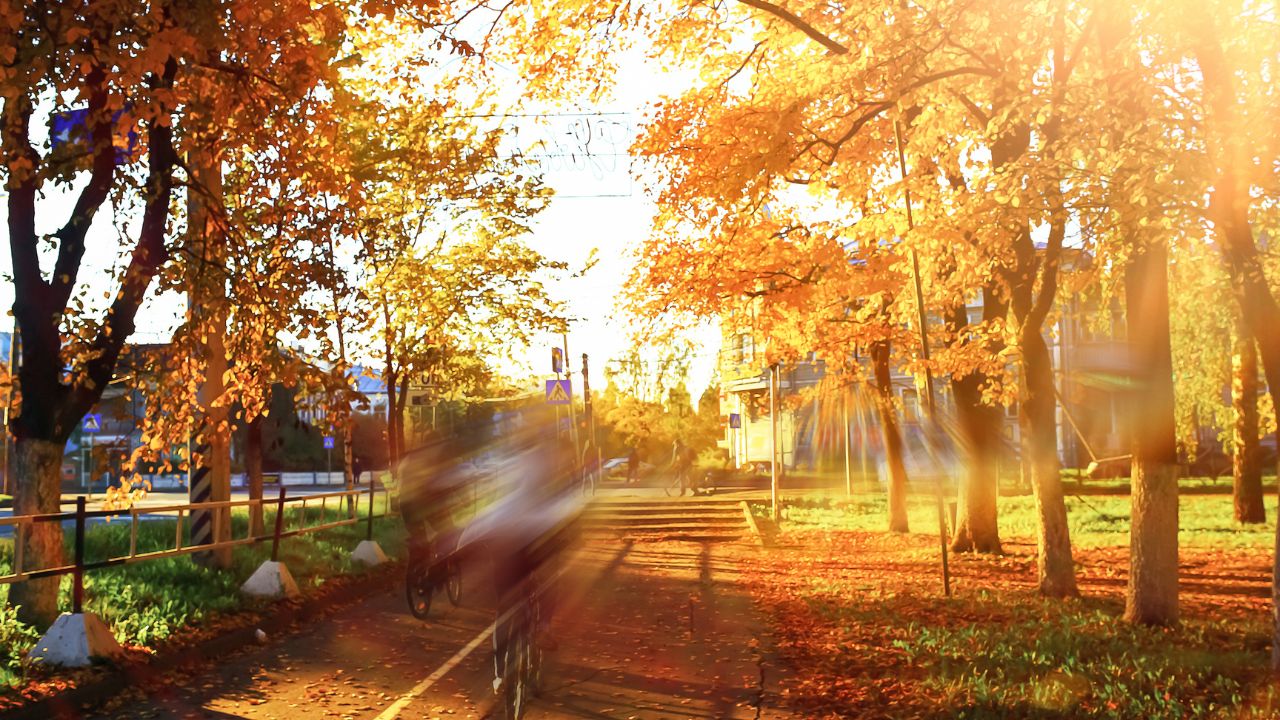
The summer solstice is here, the longest day of the year for New Yorkers and a major seasonal turning point for the state. The sun was higher in the sky, meaning residents got more hours of sunshine. This afforded more time for being outdoors, for traveling, and for evening festivities. It is the annual event that marks the beginning of astronomical summer in the Northern Hemisphere, and it is often celebrated by those looking forward to warmer weather and longer evenings. The summer solstice arrived with bright skies, bringing with it the official start of the prime summer season from New York City to upstate communities.
Summer Solstice in New York
The summer solstice is the day when the Northern Hemisphere of the Earth is tilted the most toward the sun. In New York, that means the longest day and the shortest night of the year. Residents enjoyed an early dawn and a late dusk, with numerous locations experiencing more than 15 hours of daylight. The solstice is the day with the most daylight hours of the year, but it’s not necessarily the day with the hottest temperatures. It’s actually the official start of summer and the steady creep toward the season’s peak heat.
Why Is There a Summer Solstice?
It is the tilt of the Earth on its axis (23.5 degrees) that generates the summer solstice. This is the time of year when the Northern Hemisphere receives the most direct sunlight. This astronomical event occurs every year, usually on June 20 or June 21, depending on the calendar and time zone. It has been celebrated for centuries and is one of the world’s most recognizable seasonal markers.

What New Yorkers Can Anticipate After the Solstice
However, the daylight begins to decrease after the solstice, albeit very slowly. The average person won’t notice an instant difference, with sunsets still occurring rather late for much of the summer. Warm temperatures provide plenty of options for outdoor recreation. Longer days mean local residents make use of parks, beaches, hiking trails, and public events that are usually more crowded at this time of year.
In many parts of New York, the summer tourist season peaks in the weeks after the solstice. School vacations and great weather are popular with families and travelers, so expect increased foot traffic in popular spots around the state.
More Outdoor Activities and Longer Days
With the days getting longer, people have more time to spend outdoors after work or school. Many municipalities also host evening festivals, sporting events, concerts, and outdoor markets at this time of year. The longer evenings are good for runners, cyclists, and walkers who like to be out before dark.
The extra daylight also often equates to more activity for tourism and hospitality businesses, as visitors take advantage of the opportunity to explore the state’s attractions, waterfronts, and scenic places.
A Change of Season
The summer solstice is not just the longest day of the year; it signals the start of a season for outdoor adventures, travel opportunities, and community activities. As the daylight hours start to shrink in the months to come, New Yorkers will still enjoy plenty of long summer evenings. For many, the solstice heralds the beginning of the heart of summer, with weeks of sunshine and outdoor enjoyment ahead across the Empire S