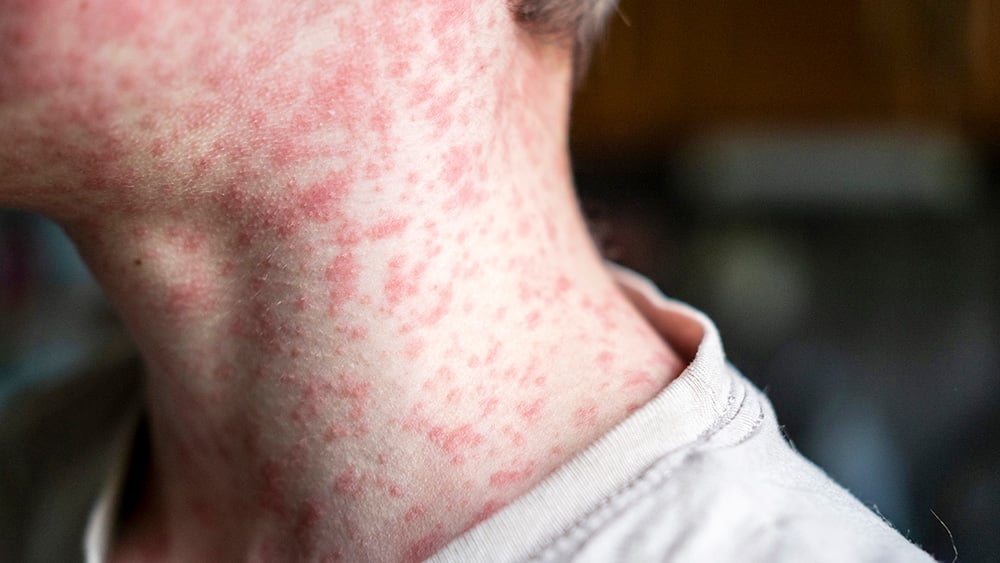
New York has recorded 13 measles cases so far this year, including the first two confirmed cases in Erie County since 2018, prompting renewed concerns among public health officials about declining vaccination rates and the potential for additional outbreaks.
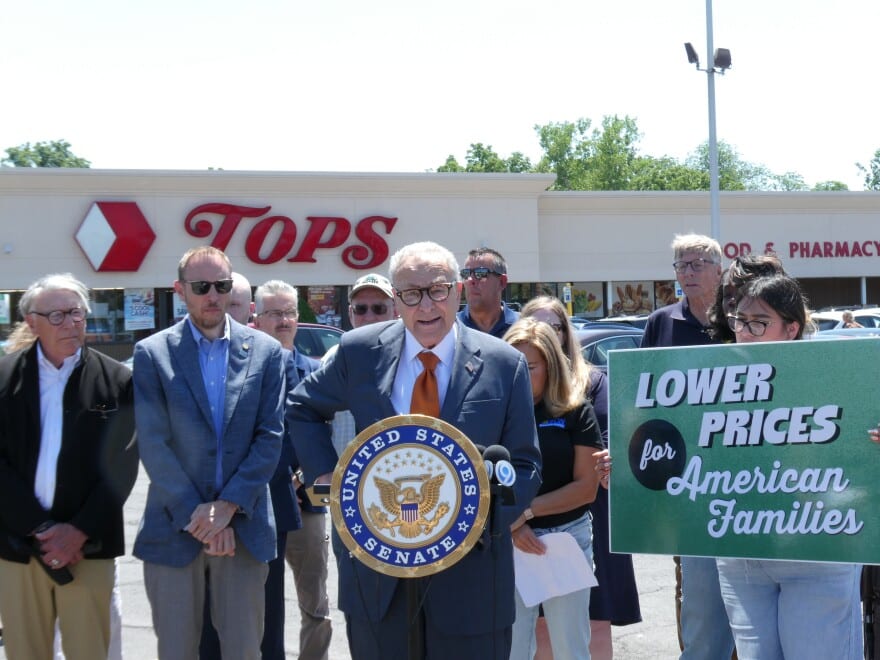
U.S. Sen. Chuck Schumer visited Western New York on Monday to call for increased federal support for measles prevention efforts, arguing that New York communities need stronger public health resources as cases continue to emerge statewide and across the nation.
The two Erie County cases were confirmed earlier this month. One case was linked to international travel, while the second involved a resident who had not traveled outside the county. Erie County health officials have warned that the second case raises concerns about additional, unreported infections in the community.
While New York’s total remains below the 48 cases reported in 2025, health officials are closely monitoring the situation as measles cases nationwide have surpassed 2,000 for the second consecutive year. According to Schumer, it is the second year in a row the country has exceeded that threshold since measles was declared eliminated in the United States in 2000.
The senator is urging federal officials to restore funding for vaccine education programs, reinstate grants aimed at combating vaccine hesitancy and rebuild staffing levels at the Centers for Disease Control and Prevention. His proposal also calls for continued support of disease monitoring programs, including testing infrastructure that helps track measles outbreaks.
Health officials in Western New York emphasized that measles remains one of the most contagious infectious diseases and warned that unvaccinated individuals face the greatest risk. Erie County Commissioner of Health Dr. Gale Burstein described the recent cases as a warning sign and encouraged residents to verify their vaccination status and consult healthcare providers if they are uncertain whether they are protected.
Medical experts said widespread vaccination remains the most effective defense against the disease. They noted that high vaccination rates not only protect those who receive the vaccine but also help shield infants, immunocompromised individuals and others who may be unable to receive immunizations themselves.
For New York officials, the appearance of new measles cases after years of relative stability serves as a reminder that diseases once thought largely eliminated can quickly return when vaccination rates decline and public health systems face increasing strain.

FingerLakes1.com is the region’s leading all-digital news publication. The company was founded in 1998 and has been keeping residents informed for more than two decades. Have a lead? Send it to news@fingerlakes1.com.