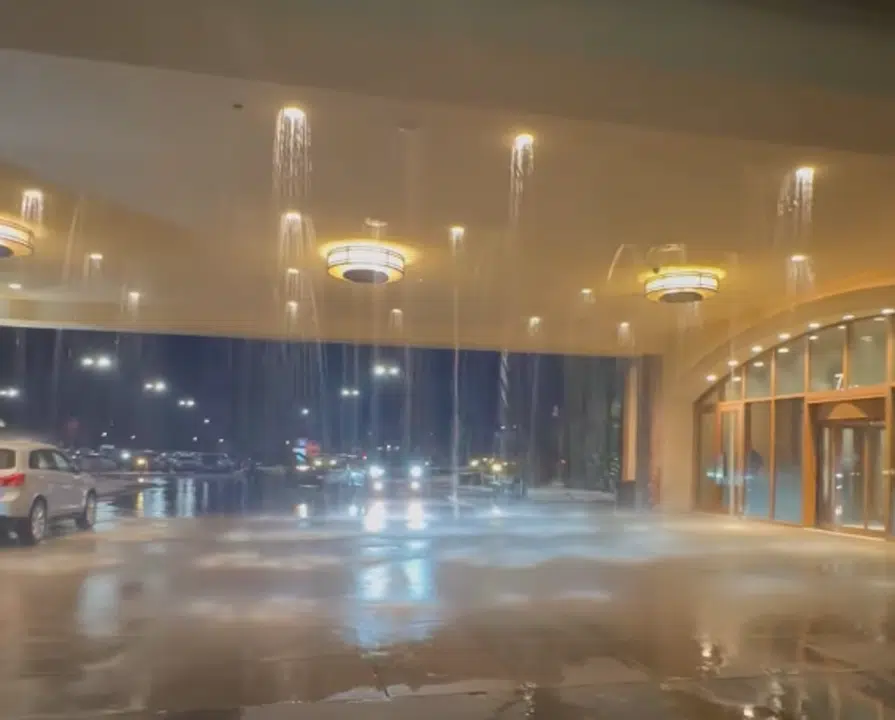
Drive west on Route 414 toward Waterloo and the skyline tells a story. Where Seneca County travelers once saw little more than open fields and the occasional farm stand, a sprawling resort now rises against the horizon. del Lago Resort & Casino opened its doors and quickly became one of the region’s busiest destinations, drawing visitors from Rochester, Syracuse, and well beyond. For a part of New York long defined by wine trails, waterfalls, and quiet lakeside towns, the arrival of a full-scale entertainment complex marked a genuine turning point in how locals and tourists spend their leisure time.
That shift reflects a much bigger change in how Americans approach leisure overall, and it didn’t stop at the casino floor. The same appetite for accessible entertainment now lives in people’s pockets, where a casino app lets users play real-money games from anywhere in states where it’s permitted. Recent rankings of the top mobile options for 2026 — with Raging Bull landing at the top of the list — compare them on bonus offers, the depth of their game libraries, how smoothly they run on phones, the payment methods they accept, and how quickly winnings clear. For a Finger Lakes resident curious about what the digital side of this world looks like, those guides explain exactly what separates one option from the next, and why state availability matters so much.
From Empty Fields to a Regional Draw
It’s worth remembering what entertainment in this stretch of the Finger Lakes looked like before. A night out often meant a drive to a winery dinner, a minor league game, or a movie at a single-screen theater. Bigger concerts and shows usually required a trip to Rochester or Syracuse. Waterloo, best known nationally as the birthplace of Memorial Day, wasn’t exactly a marquee stop on anyone’s entertainment map.
del Lago changed that calculation. Suddenly the area had a venue large enough to book touring musicians, comedians, and headline acts under one roof. The complex bundled a hotel, multiple restaurants, a spa, and an event space into a single destination, giving people a reason to stay overnight rather than just pass through. For a region that lives and breathes tourism, that was a meaningful addition to the menu.
How Visitors Plan Their Finger Lakes Trips Now
The ripple effects show up in how people build their itineraries. A couple planning a long weekend might spend Saturday hopping between Cayuga Lake wineries, then catch a show at del Lago that evening before heading back to a lakeside rental. The resort slots neatly into a trip that already includes waterfalls at Watkins Glen and craft beer in Geneva.

That blended approach has helped the broader regional economy. Tourism numbers across the state have climbed steadily, and officials have taken notice. When state leaders highlighted record tourism milestones, the Finger Lakes consistently ranked among the drivers, thanks to a mix of natural beauty and newer attractions that keep visitors lingering longer and spending more. del Lago is one piece of that puzzle, helping turn a half-day excursion into a full weekend stay.
Getting Here Is Easier Than It Used to Be
Access has evolved right alongside the entertainment options. Most visitors still arrive by car, taking advantage of the Thruway corridor that puts Waterloo within easy reach of several mid-sized cities. But the region has also worked to expand its travel infrastructure for those coming from farther away.
The Finger Lakes Regional Airport gives general aviation travelers a convenient point of entry, and local officials have long viewed improved transportation links as essential to keeping the area competitive as a destination. When a resort can attract guests who fly in, book a room, see a show, and explore the wine country all in one trip, the whole regional economy benefits. That kind of connectivity simply didn’t factor into leisure planning here a generation ago.
A Bigger Conversation About Regional Identity
del Lago’s success has fed into a larger discussion about what the Finger Lakes wants to be. The region has always sold itself on authenticity — glacier-carved lakes, family farms, small-batch wineries, and a slower pace. Layering a major entertainment complex on top of that identity raised real questions about balance and growth.
Those debates dovetail with efforts to protect and celebrate what makes the area distinct. When lawmakers pushed legislation to recognize the region nationally, the goal was to honor its cultural and natural heritage while supporting responsible economic development. A resort that draws crowds and a designation that preserves character aren’t necessarily at odds — many residents see them as two sides of the same coin, both aimed at keeping the Finger Lakes vibrant.
What the Shift Says About Modern Leisure
Step back and the del Lago story mirrors how entertainment has changed everywhere. People want options, convenience, and the freedom to mix experiences. The same visitor who once had to drive an hour for a concert can now find one in Waterloo, then unwind back at the hotel with whatever entertainment their phone offers.
That’s the throughline connecting a destination resort to the broader digital leisure world. Whether the night involves a live act under bright lights or something quieter and more personal, the modern expectation is simple: entertainment should meet you where you are. For the Finger Lakes, a place that has reinvented its leisure landscape in just a couple of decades, that expectation has reshaped everything from how trips get planned to how the region sees its own future — and it shows no sign of slowing down.

This content is brought to you by the FingerLakes1.com Team. Support our mission by visiting www.patreon.com/fl1 or learn how you send us your local content here.