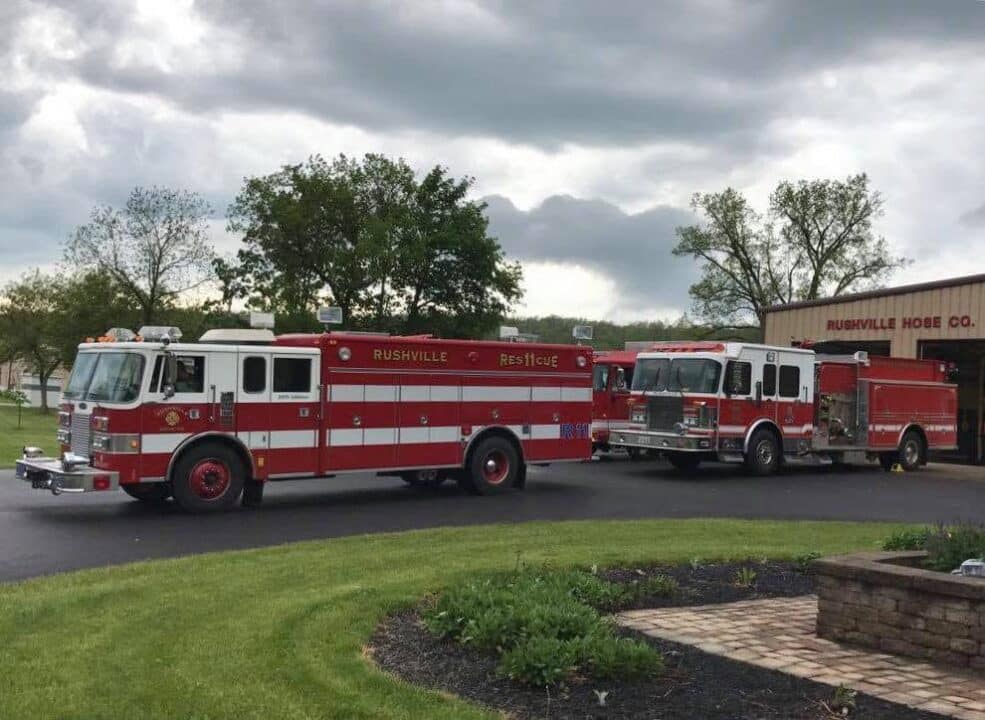
The New York State Comptroller’s Office found significant weaknesses in financial oversight and recordkeeping at the Rushville Hose Company, concluding that the organization’s board and membership failed to adequately monitor financial operations and enforce existing bylaws.
The audit examined the volunteer fire company’s financial activities from Jan. 1, 2024, through Jan. 5, 2026. Auditors reviewed revenues, disbursements, financial records and oversight practices, focusing on whether company leaders provided adequate accountability for funds collected and spent.

According to the report, the company received $66,135 in revenues and redeposited startup cash during the audit period while making $43,498 in disbursements. Auditors found that the board did not adequately segregate financial duties, failed to regularly review bank statements and supporting documentation, and did not provide sufficient oversight of the treasurer’s work.
The comptroller’s office found that the company lacked adequate supporting documentation for 35 of 70 revenue collections reviewed, representing $9,849 in deposits. Auditors said duplicate receipts were not issued for all collections, making it difficult to verify that all revenues were properly received, deposited and recorded.
Auditors also identified issues involving spending approvals. The company’s bylaws require membership approval for purchases exceeding $100, excluding certain fixed expenses. However, 14 of 21 check disbursements reviewed totaling $4,289 were made without the required approval before payment.
The audit found even more widespread issues with debit card use. Of 53 debit card purchases exceeding $100 reviewed by auditors, 52 totaling $9,896 had not been approved by the membership before the transactions occurred. The report noted that debit cards were used by multiple officers, including the president, treasurer, fire chief and assistant chief, effectively bypassing the approval process outlined in the bylaws.
In addition, auditors found seven debit card purchases totaling $1,451 that lacked adequate supporting documentation. While receipts were later obtained for four transactions, documentation for three purchases totaling $345 could not be produced. Auditors said they were unable to fully determine whether those expenditures were appropriate, although they appeared to coincide with company events and involved food vendors.
The report also noted that the company’s use of debit cards contributed to overdraft fees. Because purchases were made directly from company accounts without prior review, the company incurred $180 in overdraft charges during the audit period. Auditors also identified a $100 cash withdrawal that the treasurer attributed to accidentally using the company’s debit card instead of a personal card. Investigators verified that the funds were promptly repaid.
The comptroller’s office issued eight recommendations, including strengthening bylaws, maintaining better documentation, increasing oversight of financial records and strongly considering ending the use of debit cards. Auditors also recommended implementing compensating controls such as reviewing bank statements, canceled checks and reconciliations more regularly.
In a written response included with the audit, company officials said they generally agreed with the findings and had already begun taking steps to improve financial accountability. Officials said additional corrective actions will be outlined in a formal corrective action plan.

FingerLakes1.com is the region’s leading all-digital news publication. The company was founded in 1998 and has been keeping residents informed for more than two decades. Have a lead? Send it to news@fingerlakes1.com.