TL;DR
- Critical anomalies like odometer rollbacks and title washing indicate deliberate vehicle fraud.
- Undocumented collision repairs require physical verification via paint depth gauges and chassis alignment checks.
- Active theft reports or financial liens carry severe legal risks and can lead to immediate asset forfeiture.
- Running a comprehensive history check through Zilocar serves as your primary line of defense against hidden vehicle liabilities.
Purchasing a pre-owned vehicle carries significant financial and safety risks in the modern global automotive market. Unscrupulous sellers frequently utilize deceptive practices to hide past collisions, structural damage, and legal liabilities. In this guide, you will learn how a vehicle history report serves as an essential digital diagnostic tool to uncover these hidden vulnerabilities before money hands over. You must identify critical anomalies in state registries and insurance databases to protect your investment.
What is a Car History Report?
A car history report is a comprehensive digital dossier generated via a vehicle’s unique 17-digit identification number. It aggregates real-time data across global networks to map out the legal, financial, and operational past of a pre-owned automobile before a consumer finalizes a purchase.
The Structure of a VIN
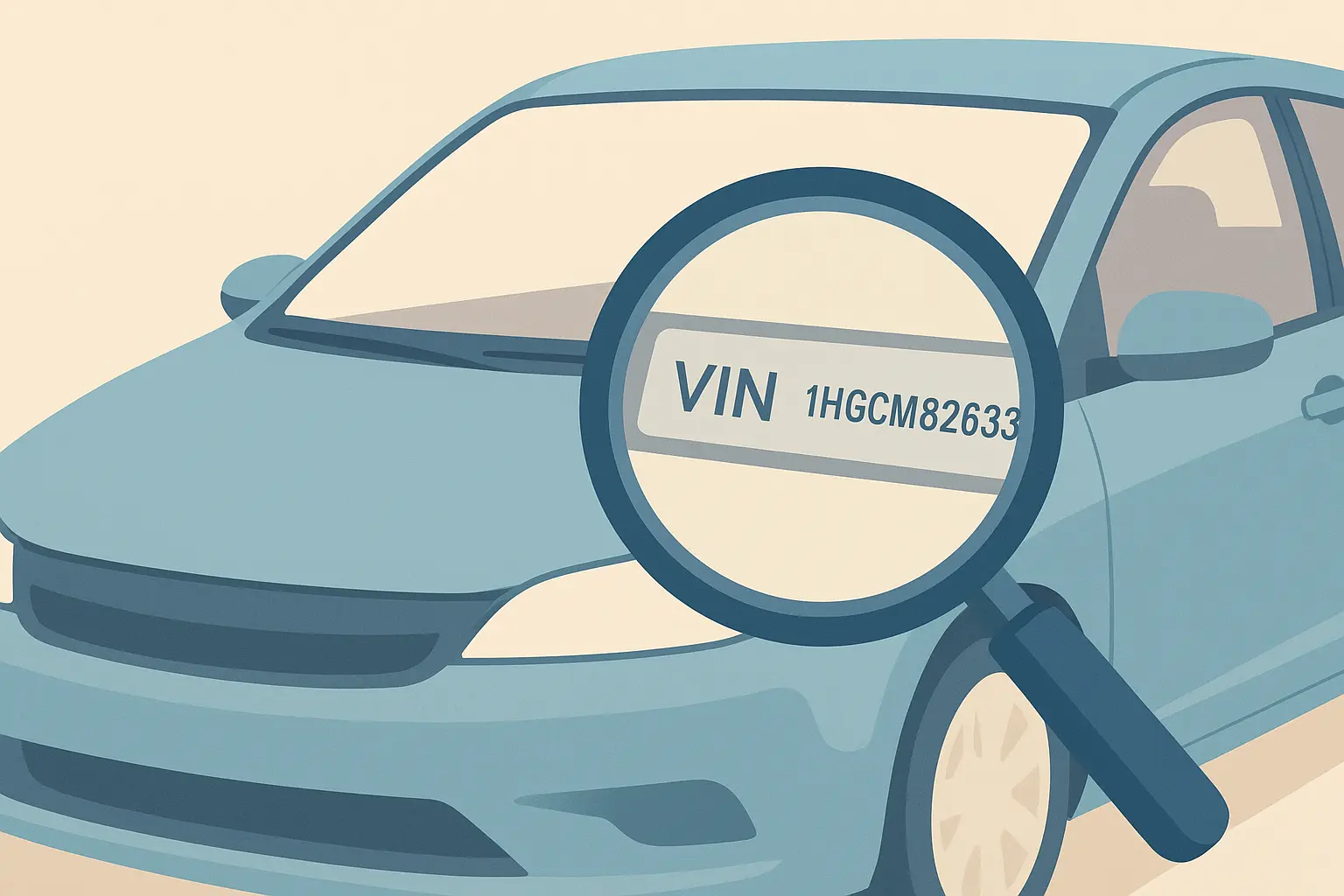
Every modern automobile possesses a unique 17-digit Vehicle Identification Number (VIN) stamped onto its chassis. This alphanumeric code serves as the DNA of the vehicle and features no overlapping combinations. It utilizes specific combinations of letters and digits, excluding the characters I, O, and Q to prevent recording errors during data entry.
The identifier divides into three distinct technical sections that reveal manufacturing specifications. The World Manufacturer Identifier (WMI) determines the country of origin and the specific manufacturing brand. The Vehicle Descriptor Section (VDS) details the vehicle attributes, body style, and engine type. Finally, the Vehicle Indicator Section (VIS) marks the model year, assembly plant, and sequential serial number.
How Global Data is Aggregated
Centralized state registries and commercial databases continuously track these unique 17-digit codes throughout a vehicle’s operational lifespan. Public systems like the Centralna Ewidencja Pojazdów (CEP) gather localized registration data, annual odometer readings, and inspection statuses. However, public records often lack data regarding cross-border history and private insurance claims.
International commercial aggregators bridge these geographic data gaps by compiling billions of records across multiple continents. Running a thorough VIN check before buying a used car through an established platform like Zilocar cross-references these disjointed public registries with proprietary insurance logs. This comprehensive process uncovers hidden salvage titles, vehicle thefts, and historical auction photos from foreign markets.
7 Critical Red Flags to Look for in a Car History Report
Critical red flags in a vehicle history report are documented anomalies that indicate hidden damage, financial encumbrances, or deliberate consumer fraud. Spotting these discrepancies allows you to identify high-risk assets and avoid vehicles that possess severe structural, mechanical, or legal liabilities.
1. Odometer Rollbacks (Mileage Manipulation)
An odometer rollback is a fraudulent modification where individuals reverse a vehicle’s recorded mileage to inflate its market value. This practice hides the true level of mechanical wear and compromises scheduled maintenance cycles.
Detecting Timeline Discrepancies
You can identify mileage fraud by analyzing the chronological data line in the history report. A clear red flag appears when a later entry shows a lower mileage figure than an earlier record. For example, a vehicle with 180,000 kilometers in 2024 cannot legally show 150,000 kilometers in 2025.
Suspicious Mileage Stagnation
Extended periods of minimal mileage accumulation also warrant close scrutiny. Be suspicious if a vehicle suddenly accumulates only 100 kilometers per year over several consecutive inspection cycles. This statistical anomaly often occurs right before a vehicle undergoes international export to obscure its actual usage.
2. Salvage, Rebuilt, or Junk Titles
Salvage, rebuilt, or junk titles are official legal designations placed on a vehicle’s record after a major accident or total loss event. These brands indicate that repair costs exceeded a high percentage of the vehicle’s actual market value.
Decoding Official Title Brands
Insurance companies and state transit authorities issue a Salvage Title when repair costs reach 70% to 100% of the vehicle value. A Rebuilt Title signifies that a salvage vehicle underwent reconstruction and passed a basic local inspection. The Junk Title designation permanently bars a vehicle from operating on public roads, meaning it must only serve as a source for spare parts.
Structural Crumple Zone Compromise
Vehicles with a history of severe collision damage present immense safety hazards. Factory crumple zones lose their structural integrity once they deform and undergo substandard welding or straightening. Airbag deployment history and structural frame repairs mean the vehicle cannot protect occupants adequately in a subsequent accident.
3. Flood and Severe Water Damage Omissions
Flood and water damage designations indicate that a vehicle suffered submersion in water up to the electronic dashboard or engine bay level. This exposure causes progressive, non-repairable corrosion inside critical structural components and electrical wiring systems.
The Illusion of Cosmetic Repairs
Sellers can easily mask water exposure through intensive cosmetic detailing, interior deep cleaning, and scent masking. However, electronic control modules and complex wiring harnesses begin to oxidize immediately after contact with moisture. This hidden oxidation leads to sudden airbag failures, braking anomalies, and spontaneous engine shutdowns.
Tracking Environmental Origins
You can protect yourself by checking the historical registration geography of the vehicle. Cross-reference the vehicle timeline with major regional flooding events or hurricane declarations in that specific territory. Rapid ownership transfers out of flood-prone regions immediately after natural disasters constitute a major warning sign.
4. The “Title Washing” Trap
Title washing is an illicit regional registration strategy used to clear branding marks like “Salvage” or “Flood Damage” from a vehicle title. Fraudulent operators exploit administrative communication gaps between different state or country databases to obtain clean registration documents.
Structural Loopholes in Data Transfer
Different jurisdictions utilize distinct reporting criteria and separate telecommunication networks to log vehicle statuses. When an automobile moves rapidly across borders, the new registration authority might fail to import historic total-loss brands. This administrative lapse allows a severely damaged car to receive a deceptive, unbranded title.

Spotting Rapid Registration Changes
Examine the history report closely for multiple registration actions occurring within a short timeframe. Three or more title changes across different counties, states, or countries within a twelve-month period signal potential title washing. Legitimate owners rarely transfer vehicle registrations across borders repeatedly without clear occupational or personal causes.
5. Excessively Frequent Ownership Changes
Excessively frequent ownership changes describe a pattern where a single vehicle changes hands multiple times within a short duration. This frequent turnover typically suggests that the vehicle suffers from persistent, hard-to-diagnose mechanical or electrical faults.
The Reality of the “Lemon” Vehicle
Automobiles that pass through three or four private owners within a 12-to-18-month window often possess fundamental defects. Previous buyers likely discovered expensive, intermittent issues like transmission slippage or electrical bus failures soon after purchase. They chose to resell the vehicle quickly rather than absorb prohibitive diagnostic and repair expenses.
Differentiating Consumer Habits from Emergency Sales
Normal vehicle ownership typically lasts several years per individual user. Short ownership periods combined with immediate re-listings indicate a pattern of buyer dissatisfaction or mechanical desperation. Do not assume these frequent transactions represent mere coincidence or changing consumer tastes.
6. Extensive Blanks or Missing History Gaps
Extensive blanks or history gaps are multi-year periods in a vehicle report where no inspections, registrations, or service records occur. These chronological black holes often indicate that the vehicle was abandoned, impounded, stolen, or undergoing long-term structural rebuilding.
Unrecorded Structural Reconstructions
A vehicle that disappears from official inspection networks for two or three years is rarely just sitting idle in a garage. This time gap frequently represents the duration required to source cheap parts and rebuild a severely crashed car outside official channels. Unauthorized workshops intentionally avoid entering data into commercial or state tracking systems during these rebuilds.
Legal and Operational Uncertainties
A lack of consistent data inputs creates immense risk regarding odometer validity and maintenance compliance. Fluid changes, timing belt replacements, and safety recalls go unaddressed during prolonged periods of neglect. Demand physical proof of storage or certified historical invoices if a report shows extensive chronological gaps.
7. Active Theft or Lien Records
Active theft or lien records indicate that a vehicle is currently sought by law enforcement agencies or serves as collateral for an outstanding financial loan. Purchasing an automobile with these unresolved legal marks carries severe financial and criminal penalties.
The Threat of Legal Asset Forfeiture
Law enforcement officers have the authority to confiscate a stolen vehicle immediately upon identification, regardless of your innocent buyer status. Financial institutions also retain the right to repossess vehicles that carry unpaid titles or active chattel mortgages. You will lose both the automobile and your purchase money in these scenarios.
Ensuring Absolute Title Clarity
Verify that the vehicle history report displays an explicit “No Theft Found” and “No Lien Record” status from global databases. Never accept a seller’s verbal promise that a bank loan or police record will clear after you pay them. These legal encumbrances must be fully settled and documented prior to any transactional exchange.
What if the Report is Clean but the Car Looks Damaged?
Information asymmetry occurs when a vehicle history report appears completely clean despite the physical automobile showing clear signs of prior accident damage. This situation arises when owners repair vehicles through private funds or unrecorded transactions to purposely bypass insurance tracking systems.
Unreported Cost-Estimate Repairs
A significant percentage of automotive collisions never generate an official police report or an insurance company claim file. Wealthy owners or fleet managers often opt for out-of-pocket settlement options at independent body shops to preserve the resale value of the asset. These private transactions leave zero digital footprints in commercial history databases.
The Imperative of Physical Verification
You must supplement every digital history check with a meticulous physical inspection using specialized diagnostic equipment. Deploy a digital paint depth gauge across all inner structural pillars, door sills, and engine bay aprons. Factory paint measurements typically range between 90 and 150 micrometers.
Values exceeding 300 to 500 micrometers indicate the heavy application of automotive body filler and non-factory paint layers. Additionally, arrange an independent pre-purchase inspection at a certified diagnostic center to measure frame geometry and chassis alignment parameters precisely.
Conclusion & Final Checklist
A vehicle history report represents your primary defensive barrier against automotive fraud, financial liability, and structural safety hazards. You must treat digital data as a preliminary screening mechanism that requires validation through rigorous physical diagnostics before you finalize any investment.
Empowered and Informed Purchasing
Identifying a single major red flag allows you to walk away from a problematic transaction before absorbing devastating financial losses. Do not let cosmetic details, clean interior cabins, or persuasive sales pitches override documented historical inconsistencies. True automotive transparency requires a perfect alignment between clean digital records and sound physical structures.
FAQ
How can a user check a vehicle history report for free?
You can access official government portals such as the Historia Pojazdu platform in Poland to obtain free data. This process requires the simultaneous input of the vehicle registration plate, the 17-digit identification number, and the exact date of first registration.
Where is the vehicle identification number located on a car?
The manufacturer stamps this unique identifier directly onto the lower base of the front windshield on the driver’s side. You can also locate it on the metallic B-pillar door jamb or stamped into the engine bay shock tower.
Why do some cross-border accidents omit data from public vehicle registries?
Strict regional privacy laws often block international authorities from automatically sharing data between distinct national databases. Private collision repairs funded directly by owners also bypass insurance company tracking networks completely.
How do you identify mileage fraud on a history timeline chart?
A downward dip in the chronological graph indicates that a newer mileage log is lower than a previously recorded value. Sudden plateaus in annual distance accumulation also warrant immediate suspicion before a transaction.
What should a buyer do if a physical inspection contradicts a clean history report?
You must prioritize physical evidence and immediately refer the automobile to a certified collision specialist for diagnostic verification. This evaluation must include structural frame measurements and a comprehensive digital paint density test.

This content is brought to you by the FingerLakes1.com Team. Support our mission by visiting www.patreon.com/fl1 or learn how you send us your local content here.