

The Seneca County Board of Supervisors adopted a long-awaited countywide housing strategy Tuesday night, but not before a lengthy debate over whether housing should come before jobs — or the other way around.
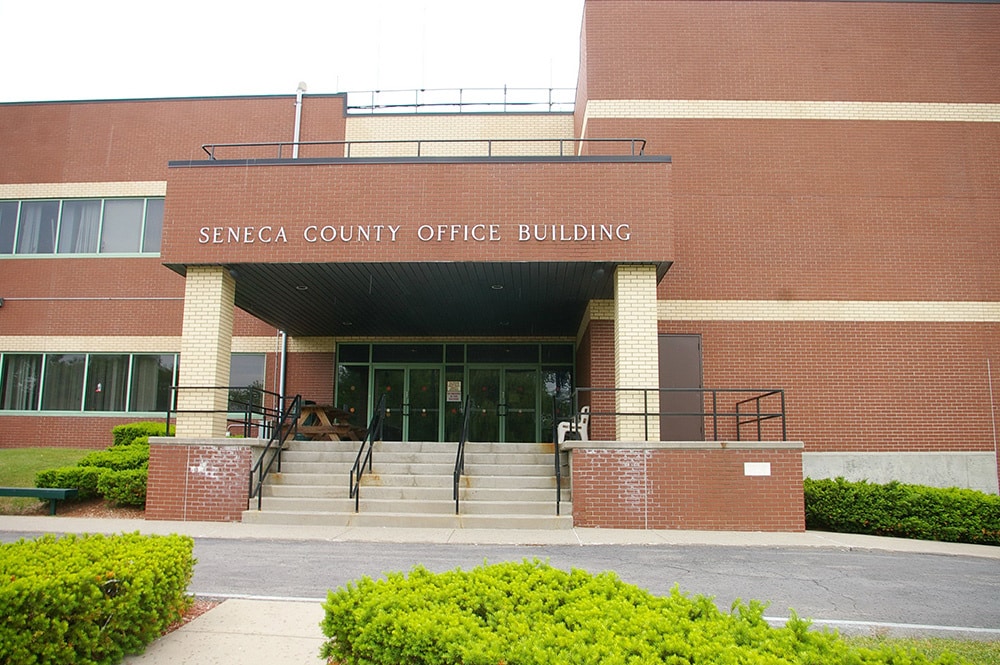
The board voted to approve the Seneca County Housing Strategy during its Feb. 10 regular meeting at the County Office Building. The plan calls for a decade-long effort to strengthen the county’s housing market and competitiveness for middle-income households, including a recommendation to locally raise and invest at least $1 million annually in targeted housing projects.
Supervisors raised questions about how that funding would work and whether the county should prioritize economic development and job growth alongside housing investment.
Supervisor Luke Latini cautioned that focusing on housing without a parallel jobs strategy could limit the plan’s success. He referenced outside feedback suggesting that housing and workforce development must move together to reduce risk and maximize return on investment.
Others argued that housing shortages themselves can deter employers. Several supervisors said businesses considering investment in Seneca County often ask where executives and management-level employees would live, pointing to a gap in available middle-income and upper-tier housing.
Committee leaders said the strategy is intended to target households earning roughly $100,000 or more annually — a demographic identified as critical to strengthening the local tax base and stimulating private investment.
Focus on middle-income market gap

County officials emphasized that the strategy is not solely aimed at traditional low-income housing programs, which are typically funded through state and federal grants. Instead, the plan seeks to address what was described as “soft market” conditions that have limited private investment in housing stock for middle-income residents.
Under the proposal, local funds would be used strategically to support mixed-use projects, small rental developments and site acquisition in village and hamlet downtowns. The goal is to build market confidence and encourage broader private-sector development over time.
Supervisors also discussed potential tax incentive tools, including phased property tax exemptions for new construction or capital improvements, as ways to encourage reinvestment without discouraging property owners.
One supervisor suggested that routine maintenance such as painting, roofing or siding should not result in higher property assessments, arguing that such improvements strengthen the housing stock and should be encouraged.
Board advances public safety, health measures
In addition to the housing strategy, the board approved a series of resolutions affecting public health, infrastructure and public safety.
Supervisors accepted multiple state grants, including funding for public health performance incentives, children and youth with special health care needs, lead poisoning prevention and increased state aid for mental health services. The mental health funding increase will support children’s services, assisted outpatient treatment and substance abuse medication programs in the county jail.
The board also approved a three-year HVAC service contract for the Law Enforcement Center, authorized bidding for highway materials, tree services and countywide rubbish and recycling services, and reaffirmed March as the annual application period for inclusion in certified agricultural districts.
Public safety actions included authorizing the Sheriff’s Department to apply for a $40,000 Canal Corporation grant for marine patrol services, entering into an agreement with the Town of Varick for court security, and approving a one-year pilot wellness program contract with Blue Line Wellness for sheriff’s deputies.
Supervisors also passed a resolution supporting Congresswoman Claudia Tenney’s efforts to secure federal funding for memorial construction projects at the New York State Veterans Cemetery – Finger Lakes.
The meeting concluded with the board entering executive session to discuss personnel matters. No action was taken in open session following that move.

FingerLakes1.com is the region’s leading all-digital news publication. The company was founded in 1998 and has been keeping residents informed for more than two decades. Have a lead? Send it to news@fingerlakes1.com.