The City of Canandaigua Zoning Board of Appeals approved a use variance for a carryout restaurant at 32 North Main Street and granted area variances allowing two rooming houses to operate closer than normally permitted under city zoning rules during its Dec. 17 meeting.
The meeting was held at City Hall and streamed online, with the board reviewing three applications listed on the agenda: one use variance and two area variances tied to rooming house separation requirements.
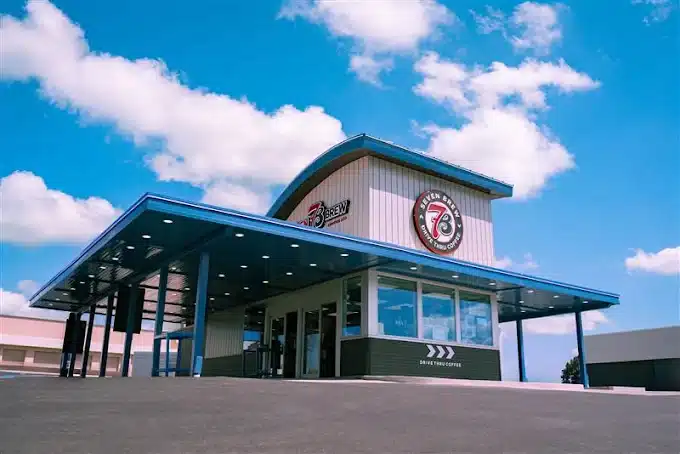
The board unanimously approved an application from 32 NMS LLC seeking a use variance to operate a carryout restaurant in the lower level of the building at 32 North Main Street. The property is located in an R-I Residential Institutional zoning district, where that use is not otherwise permitted. Board members noted that a use variance had already been granted in May 2024 for a full-service restaurant on the first floor and that the proposed carryout restaurant would occupy about 1,100 square feet of the building. The board issued a negative environmental determination and approved the request by roll call vote.
The board then considered an area variance request from Eagle Mountain Properties for 53 Chapin Street. The application sought relief from the zoning requirement that rooming houses be separated by at least 1,000 feet. The applicant said the property has operated as a rooming house for several years and described current tenants and management practices.
Several nearby property owners spoke in opposition, raising concerns about neighborhood character, parking, and the cumulative impact of multiple rooming houses in close proximity. After extended discussion and an initial failed motion, the board ultimately approved the variance on a 4–2 vote, finding that the use would not produce an undesirable change in neighborhood character and would not adversely affect physical or environmental conditions.
A similar application for 86 Bemis Street was also reviewed. The applicant sought an area variance to operate a rooming house at a property located directly adjacent to an existing rooming house, resulting in no separation between the two uses. Public comments were again received, with opponents citing zoning intent and quality-of-life concerns.
Board members discussed the distinction between regulating land use versus tenant characteristics and noted that rooming houses are subject to additional review by the city Planning Commission. The board approved the area variance, clearing the way for the applicant to seek a special use permit.
The meeting concluded after all three applications were acted upon and the board adjourned.

FingerLakes1.com is the region’s leading all-digital news publication. The company was founded in 1998 and has been keeping residents informed for more than two decades. Have a lead? Send it to news@fingerlakes1.com.