

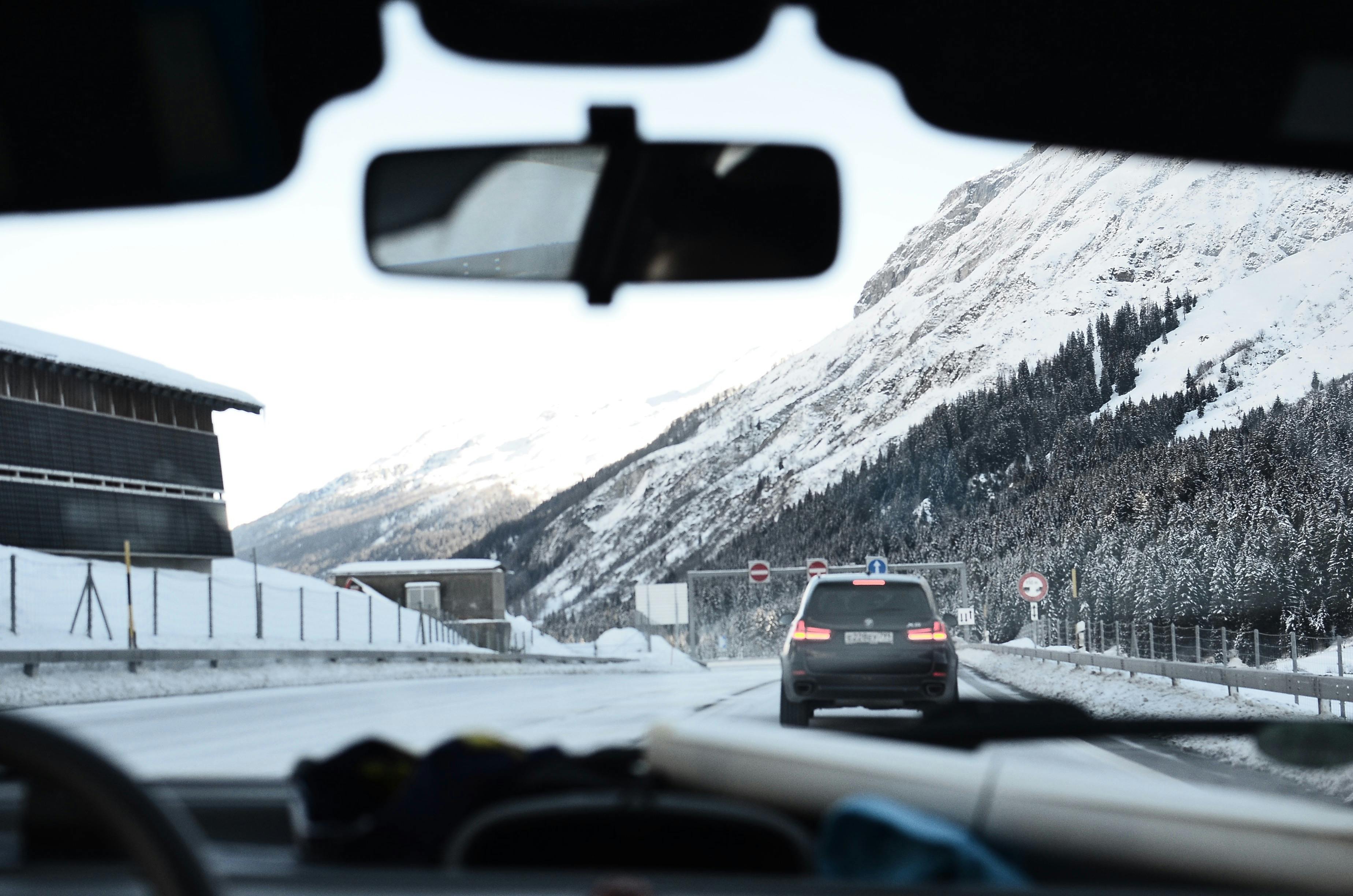
Winter is coming and so are the crashes, spinouts, and road closures that spike every year once snow and ice hit the pavement. We’re not being dramatic: the Federal Highway Administration data shows that nearly one in four weather-related accidents happens on snowy, slushy, or icy roads. The consequences are devastating: more than 116,000 injuries and over 1,300 deaths annually in the U.S.
Now sure, modern cars offer better traction control, ABS, and driver-assist systems, which all contribute to increased safety, but none of those things replace the choices you and other people make behind the wheel. What does lowers your risk? Good driving habits, all of which we cover below.
Why Winter Roads Drive Crash Numbers Up
There’s no doubt that weather plays a role in many accidents. In fact, about 12% of all police-reported accidents are weather-related, and snowy or slushy pavement accounts for about a quarter of those.
What are some common triggers?
- Driving too fast for conditions,
- Tailgating,
- Limited visibility,
- Not being used to handling a skid.
But it’s not only inexperience that increases risks; even seasoned motorists get caught off guard when black ice or sudden squalls appear.
In other words, precautions certainly lower the odds, but they don’t erase them (but then again, nothing does). Even with extra space between cars and careful braking, winter collisions happen. That’s partly because other drivers don’t always make the same adjustments, and partly because snow and ice introduce variables no one can fully control.
When accidents do occur and injuries result, the aftermath often extends well beyond the crash itself. Sorting through insurance questions, medical bills, and liability can be overwhelming, which is why firms such as Weinsteinwin exist: they can step in to help drivers and passengers navigate the process.
Still, what matters is that you do your part. No, you can’t control the weather, but you can control how you prepare and respond. That’s why the following habits matter.
Habits That Lower Your Risk
Mounting dedicated winter tires
Winter tires use softer rubber and special tread patterns. They shorten stopping distances in cold, snowy conditions (studies and reporting suggest reductions in stopping distance and measurably better traction). If your region gets regular snow or freezing temps, fit winter tires and swap them seasonally.
Checking tread depth and pressures
Tread under 2/32″ severely limits bite on snow. So check depth, rotate tires, and verify pressure weekly in cold spells (pressure falls as temperature drops). NHTSA recommends regular inspection before winter travel.
Increasing following distance and slowing early
Leave extra space so you can brake gently (sudden stops on slick surfaces cause most secondary collisions). Start braking well before turns and intersections and always remember that smooth speed changes are your friend.
Avoiding cruise control on slippery surfaces
Cruise control can keep wheels turning when traction drops, worsening a skid. Use manual speed control so you can react and modulate throttle immediately.
Braking gently, knowing your brakes
Pulse rather than stomp. If your car has ABS, press firm and hold; if it doesn’t, pump gently. Practice recovery from a mild skid in a safe, empty lot to learn how your vehicle responds (do this when roads are clear).
Visibility and fluids
Clear all snow and ice from windows, lights and sensors. Use winter washer fluid (it resists freezing) and keep wiper blades fresh. Low visibility is a multiplier of accident risk.
Testing the battery and winterizing essentials
Cold cuts battery output. If your battery is older than three to four years, get it tested. Store a compact emergency kit (blanket, flashlight, phone charger, high-energy snacks, small shovel, traction mats) in the trunk. NHTSA recommends similar items for winter preparedness.
Planning routes and practicing restraint
Whenever possible, choose primary roads that are plowed. Delay travel for severe warnings when possible. And if you must drive, tell someone your route. It’s simple, but useful; just in case.

This content is brought to you by the FingerLakes1.com Team. Support our mission by visiting www.patreon.com/fl1 or learn how you send us your local content here.