



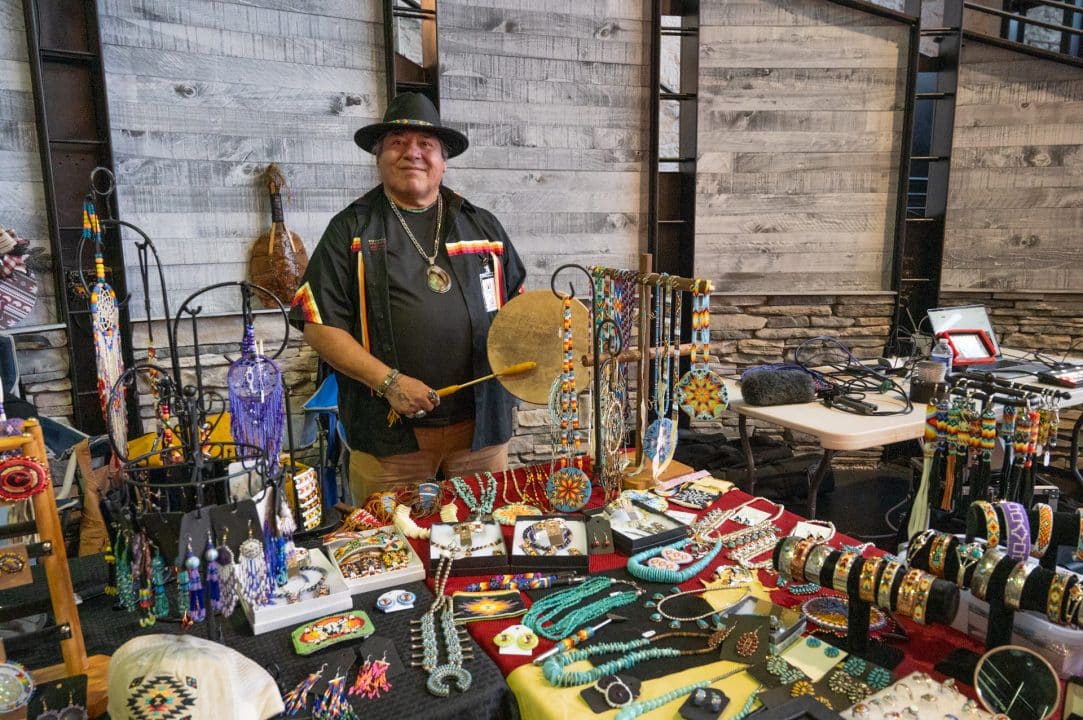
On a crisp morning in Rochester, NY, the doors of the annual Native Made Market swing open, and I hear stories, laughter, singing, guests speaking, drums and rattles. For Angelina Marie Hilton, this is more than a market, it’s a living archive of Indigenous creativity, a place where stories, skills, and traditions converge. Each handcrafted piece and conversation is a thread in a larger tapestry of belonging, culture, and intergenerational healing.
Hilton, an enrolled member of the Sac and Fox Nation of Missouri in Kansas and Nebraska—the Sac being the “People of the Yellow Earth” and the Fox the “Red Earth People”—and a descendant of the Iowa Tribe of Kansas and Nebraska, channels her identity into every project she leads. “I grew up in a mostly white suburb,” she recalls. “I was assimilating without realizing it. I was teased for being Indigenous, so I stopped sharing this piece of my identity.”
That early invisibility shaped her, but it didn’t stop her from pursuing creative and professional opportunities. In 2007, Hilton graduated from the Art Institute of California in San Diego with a degree in Advertising and was recognized as one of the American Advertising Federation’s Most Promising Minorities. She went on to work in publishing, graphic and web design, advertising, sales, account management, and marketing, collaborating with organizations such as Gannett’s Rochester NY Democrat and Chronicle, Semify, and small businesses, while also building her own entrepreneurial ventures.
The Birth of Native Made


“Native Made started because we needed to feed people,” Hilton explains. At the time, her husband and she ran a small restaurant and offered free meals every fourth Friday of the month for an hour at Parcel 5 in Rochester. Fast forward to the fourth Friday in November 2022, it was Native American Heritage Day.”I looked around and realized there were no Native restaurants, no Native shops, no galleries. This community is so rich and diverse—it didn’t make sense that these spaces didn’t exist.”
They decided to create a blank canvas. “On Friday, we served our community the Three Sister Soup in collaboration with Gakwi:yo:h Farms who provided the corn, beans and squash to introduce our community to the local culture through food. The next day was small business Saturday. We shut down our shop for the day and asked: What does it mean to shop local? How do we bring Indigenous people into the city?” On Small Business Saturday, they hosted the first Native Made Market. “There was a need, there was a desire. When the doors opened, people just flowed in. I had to be brave—being Indigenous, I knew I had to step up.”
The market grew quickly. In 2023, it moved to Innovation Square; last year, it was at High Falls. This year, it’s coming to Eisenhart Auditorium in collaboration with the Rochester Museum & Science Center.
A Marketplace of Culture and Connection

Native Made is more than commerce—it’s connection. Hilton wanted artists, storytellers, educators, and allies to come together. Craft stations, guest speakers, and performances immerse attendees in Indigenous traditions. Artists like David Farnham, Isaac Dalimonte, Faye Lone, and Allan and Gabriella Jamieson have participated alongside organizations including Indigenous Peoples Day ROC NY, Common Ground Health, and Our Voices Project. Each event begins with a Haudenosaunee Thanksgiving Address and land acknowledgment, grounding everyone in a good mind, respect and awareness.
Accessibility is key. Sign language interpretation and livestreamed sessions ensure more people can participate. “We offer space and a platform for people to share with one another. This journey has brought me closer to community, and for everyone who attends, the connection is uniquely personal.
Healing Across Generations


Hilton reflects on the deep personal roots of her work. “I didn’t understand intergenerational trauma until after my child was born. I hated institutions—they felt against my inner being. I didn’t grow up on the rez, and I wasn’t taught the culture, but I knew inside something wasn’t right. My grandmother never spoke about her experiences in residential schools. As I learned what had happened, it began to make sense. I realized why I had been resisting that institutionalization all along. I’m still processing that unspoken truth. This is trauma.”
“If storytelling is medicine,” she continues, “then Native Made was born to heal wounds that run deep—intergenerational trauma, grief, loss, shame, heartache, the grief of losing family, time, and language. Nobody in my immediate family can teach me how to make a ribbon skirt. But when we come together, we share knowledge. We confront trauma. We see each other as not relics of the past. We are alive.”
Healing happens in unexpected ways. “We have our vendors, our storytellers, our allies. I send feedback forms to everyone—attendees, performers, vendors. I ask: How did that make you feel? What was that like? Suicide, drugs, alcohol, abuse of many forms—they’re all part of the trauma we navigate. But when we gather, something shifts. We see each other, our creativity, our resilience. We witness life being reclaimed.”
Hilton’s advocacy reaches beyond the market. “Traveling back and forth to the reservation in the midwest, we would always pass the St. Louis Arch. In recent years, I drove past it and saw it through a different lens. What was once revealed as “the gateway to the west” the thought of how many people died for westward expansion angered me. It was one of the first times I realized I needed to see history through a different lens. So here in NY, I am very active in Indigenous health initiatives and outreach. We talk about data sovereignty, about preserving our communities and knowledge for the next seven generations. Storytelling is one thread of that work. It’s medicine. It’s transformative.”
Fashion as Storytelling and Visibility
Hilton channels the same ethos into fashion. “One of the first shows I did was Syracuse Fashion Week. There’s always a fear in putting myself out there, especially after the shame I experienced growing up. Our mission at Native Made is to increase Indigenous visibility and it felt necessary to participate. If I didn’t step up and represent, who would?”
“That need to represent is strong in me. Representation is both internal and external. I think about my daughter. If mommy can do this, I can do this. At that show, I met Mary Homer, an Indigenous designer who later became a vendor at Native Made. Later I answered a call to model for her, which brought us full circle. Indigenous people are the minority in this land, yet we were the original peoples. That’s why it feels so important to show up whenever I can. Through fashion, Hilton continues to tell a larger story of Indigenous creativity and visibility, threading self-expression, representation, and community empowerment into every performance.
A Vision for the Future
Hilton’s work is rooted in youth and continuity. “I’m looking at these kids—all of these babies—and I hope they grow up as the most authentic version of themselves. That they’re proud of who they are and feel part of a community.” She worries about AI, environmental extraction, and land disputes, but remains steadfast: “Our Creator is a creator. I want the youth to feel empowered to create, to learn with elders, and to feel confident and supported.”
Signs of change give her hope. She points to school libraries filled with Indigenous authors and Marvel’s What If…? series, which introduced a Mohawk-speaking superhero, Kahhori, developed in cooperation with the Mohawk Nation for cultural and linguistic authenticity. “There will be folks who approve or disapprove of non-traditional ways of communicating and passing information. The most important thing to keep in mind is what we do now and how that impacts the next seven generations. We must always think about the next seven generations. My children garden, join the White Corn Project, dance at Indigenous Peoples Day—they take it back to their communities, and this is something that I did not have growing up.”
From hiding her heritage to leading transformative initiatives that celebrate it, Angelina Marie Hilton embodies courage, creativity, and community. Through Native Made, fashion, and advocacy, she is nurturing a generation of voices ready to shape the future.
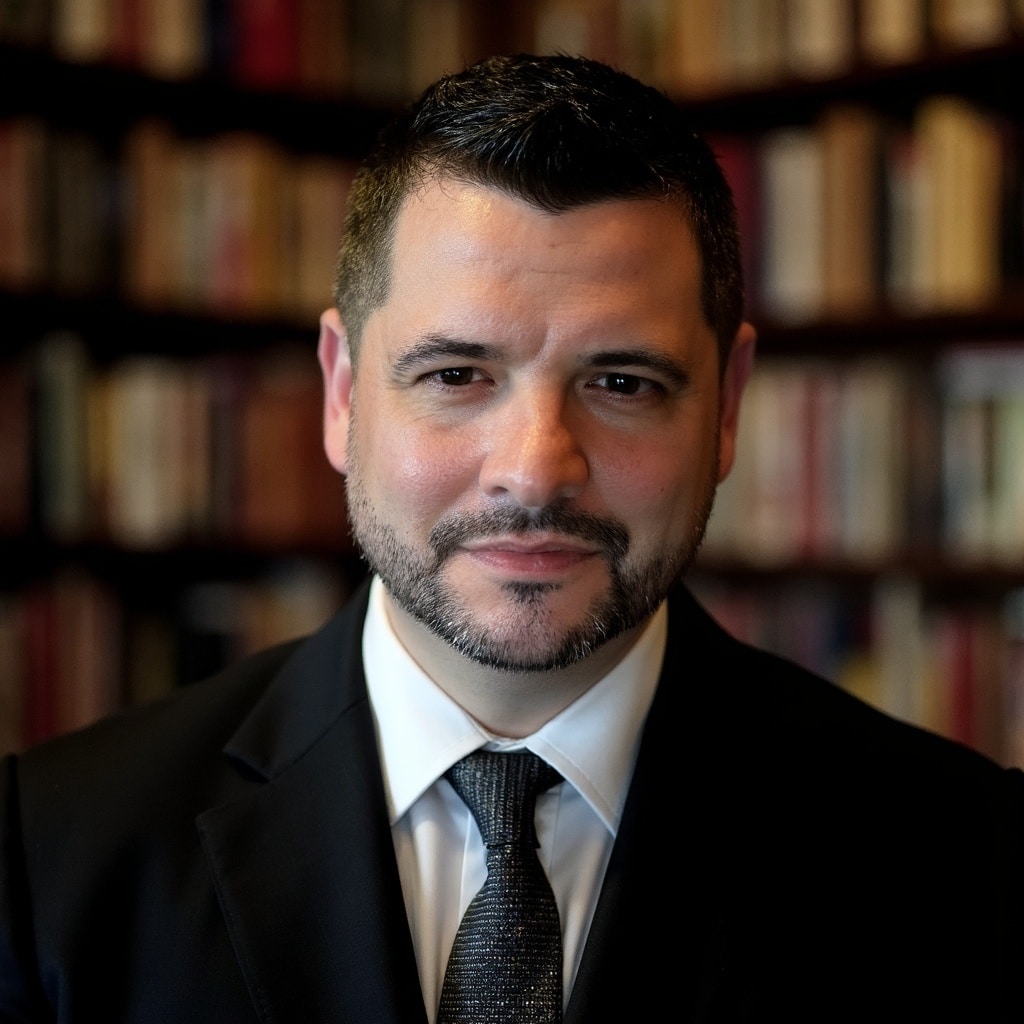
George Cassidy Payne is a Rochester-based nonprofit leader, educator, and advocate for sustainable economic development. With a philosophy and social work background, George has spent over two decades addressing issues of equity, public policy, and crisis intervention. His community development and environmental sustainability expertise informs his commitment to strengthening Rochester’s regional economy.