

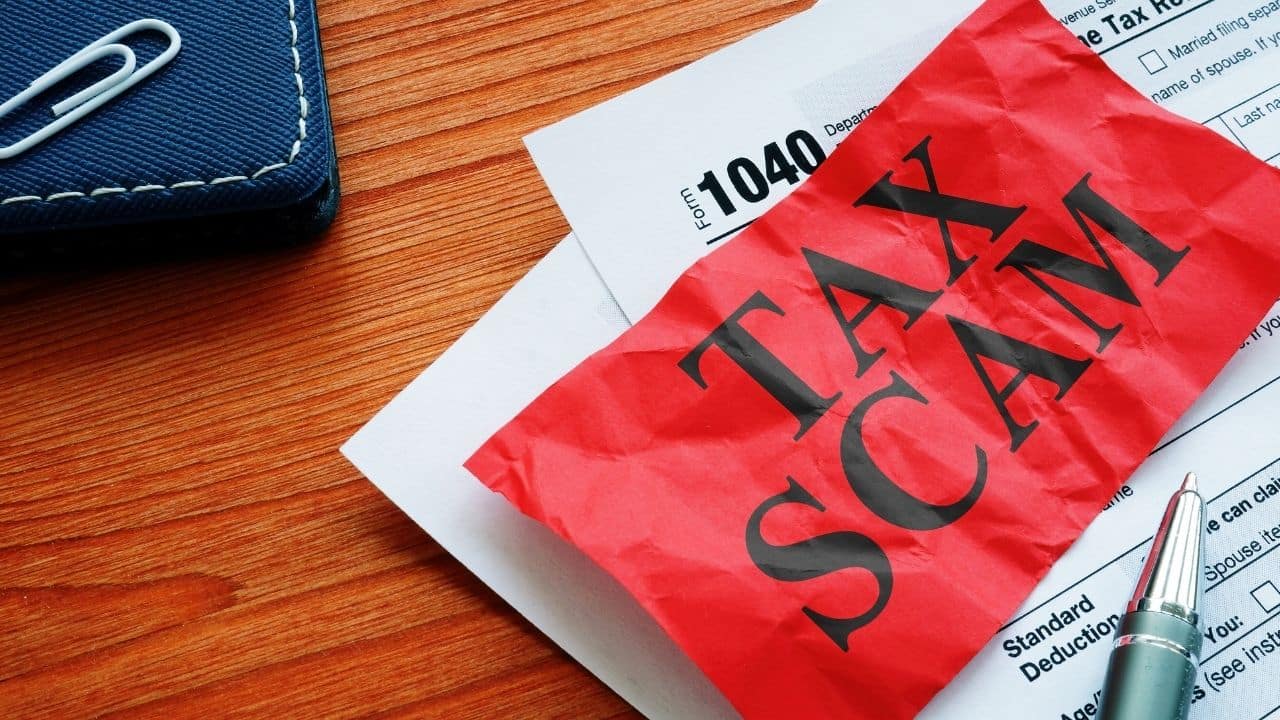
The IRS has issued a new alert warning taxpayers about a rising 2025 scam involving fake refund emails designed to steal personal information. As of June 4, reports of phishing attempts have surged nationwide, particularly among late filers and those still waiting for refunds.
How the scam works
The scam involves emails that appear to come from the IRS, claiming the recipient is “eligible for a tax refund” and must “click to verify your details.” These emails often use IRS branding and official-looking logos to trick recipients.
Key red flags:
- Email sender uses a Gmail or unfamiliar domain (e.g., irs-taxdept2025@gmail.com)
- Message urges “urgent action” to claim a refund
- Includes links or attachments asking for Social Security numbers or bank info
- Spelling and grammar errors in subject lines or body
The IRS emphasizes that it never initiates contact by email to request sensitive financial information.
Who is being targeted?
Scammers are focusing on:
- Taxpayers who filed paper returns
- Filers with amended or delayed refunds
- Elderly individuals and low-income households
- People using free online tax software
The goal is to gather personal data to commit identity theft or file fraudulent returns in the victim’s name.
What to do if you get a fake IRS email
If you receive a suspicious message, take these steps immediately:
- Do not click any links or download attachments
- Forward the message to phishing@irs.gov
- Delete the email after reporting
- Monitor your credit and IRS account for suspicious activity
You can also check your IRS account at IRS.gov to confirm whether a refund is pending.
IRS response and ongoing protections
In a statement this week, the IRS said:
“Taxpayers should be on high alert for phishing schemes tied to tax refunds. If you didn’t initiate contact, don’t respond.”
The IRS continues to work with law enforcement and cybersecurity agencies to track and shut down fraudulent domains.

This content is brought to you by the FingerLakes1.com Team. Support our mission by visiting www.patreon.com/fl1 or learn how you send us your local content here.