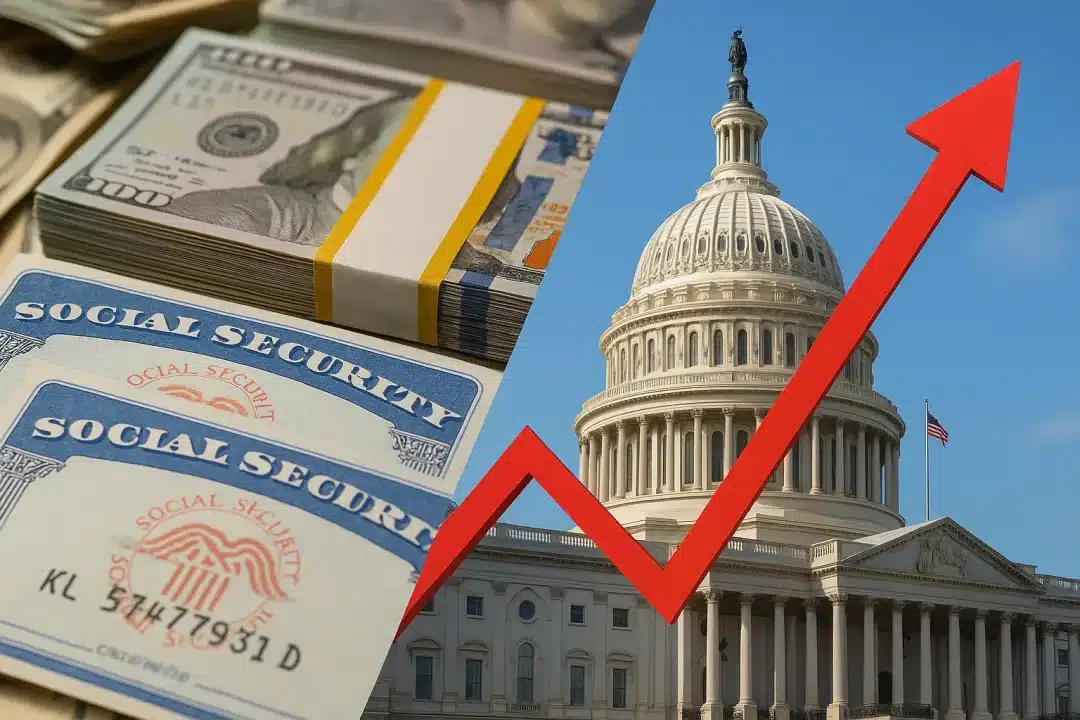
Moody’s has stripped the United States of its perfect credit rating. The downgrade marks a significant moment for global markets—and a warning about America’s growing fiscal burden.
Here’s what happened, why it matters, and what could happen next.
What did Moody’s do?
On May 16, 2025, Moody’s Investors Service downgraded the U.S. sovereign credit rating from AAA to AA1, the second-highest level on its 21-point scale.
This follows similar moves by other major credit rating agencies:
- S&P downgraded the U.S. in 2011
- Fitch followed in 2023
Moody’s had been the last holdout maintaining the top rating for U.S. debt.
Why was the U.S. credit rating downgraded?
Moody’s cited persistent deficits, rising interest costs, and a lack of political will to reverse course. Key factors included:
- Federal deficit: $1.05 trillion already in the current fiscal year
- Long-term debt: Expected to reach 134% of GDP by 2035
- Interest burden: Rapidly rising due to higher rates and debt refinancing
- Tax policy: Extension of the 2017 tax cuts could add $4 trillion to the deficit over 10 years
“We do not believe that material multi-year reductions in mandatory spending and deficits will result from current fiscal proposals,” Moody’s stated.
What does a downgrade mean?
A credit rating downgrade signals increased risk for investors holding U.S. debt. While the U.S. remains highly rated, the downgrade could have ripple effects:
- Higher borrowing costs: Investors may demand higher yields on Treasury bonds
- Stock market volatility: Lower confidence in U.S. fiscal stability can pressure equities
- Dollar weakening: Foreign demand for U.S. assets could cool
Indeed, markets reacted immediately:
- 10-year Treasury yield rose to 4.48%
- Long-term bond ETFs fell
- S&P 500 ETFs dipped 0.4% in after-hours trading
How is this different from past downgrades?
Each agency has different timing and criteria, but all point to the same concern: America’s rising debt and inability to reduce it.
| Rating Agency | Date of Downgrade | From | To |
|---|---|---|---|
| S&P | August 2011 | AAA | AA+ |
| Fitch | August 2023 | AAA | AA+ |
| Moody’s | May 2025 | Aaa | Aa1 |
This downgrade is particularly significant because Moody’s had historically maintained the highest level of confidence in U.S. fiscal reliability.

What’s the political backdrop?
The downgrade landed amid ongoing debates over tax cuts, spending, and debt ceilings. President Donald Trump’s administration has pushed to extend the 2017 tax cuts, which Moody’s flagged as a major deficit driver.
A recent GOP tax proposal failed in the House Budget Committee after opposition from both Democrats and hardline Republicans, showing how deep political gridlock limits action on deficit reduction.
How has the White House responded?
Reactions were swift and combative:
- Steven Cheung, Trump’s communications director, dismissed the analysis as political.
- Stephen Moore, a Trump-aligned economist, called the downgrade “outrageous.”
- The Treasury Department did not immediately respond.
Despite the criticism, Moody’s maintained that the U.S. still has “exceptional credit strengths”—notably the dollar’s role as the global reserve currency and the size of the economy.
What happens next?
While the U.S. is still seen as one of the safest borrowers globally, the downgrade could accelerate calls for fiscal reform.
Key takeaways:
- The downgrade reflects long-term fiscal pressure, not short-term default risk.
- U.S. borrowing costs could rise further as a result.
- Political gridlock is a major reason why fiscal challenges remain unresolved.
Markets will watch closely when trading resumes Monday. If investor sentiment shifts, the consequences could include higher interest rates, reduced investment, and a tougher economic outlook heading into the 2026 election year.

This content is brought to you by the FingerLakes1.com Team. Support our mission by visiting www.patreon.com/fl1 or learn how you send us your local content here.